Discussion on "Transforming Universities into Engines of Entrepreneurship and Regional Growth"
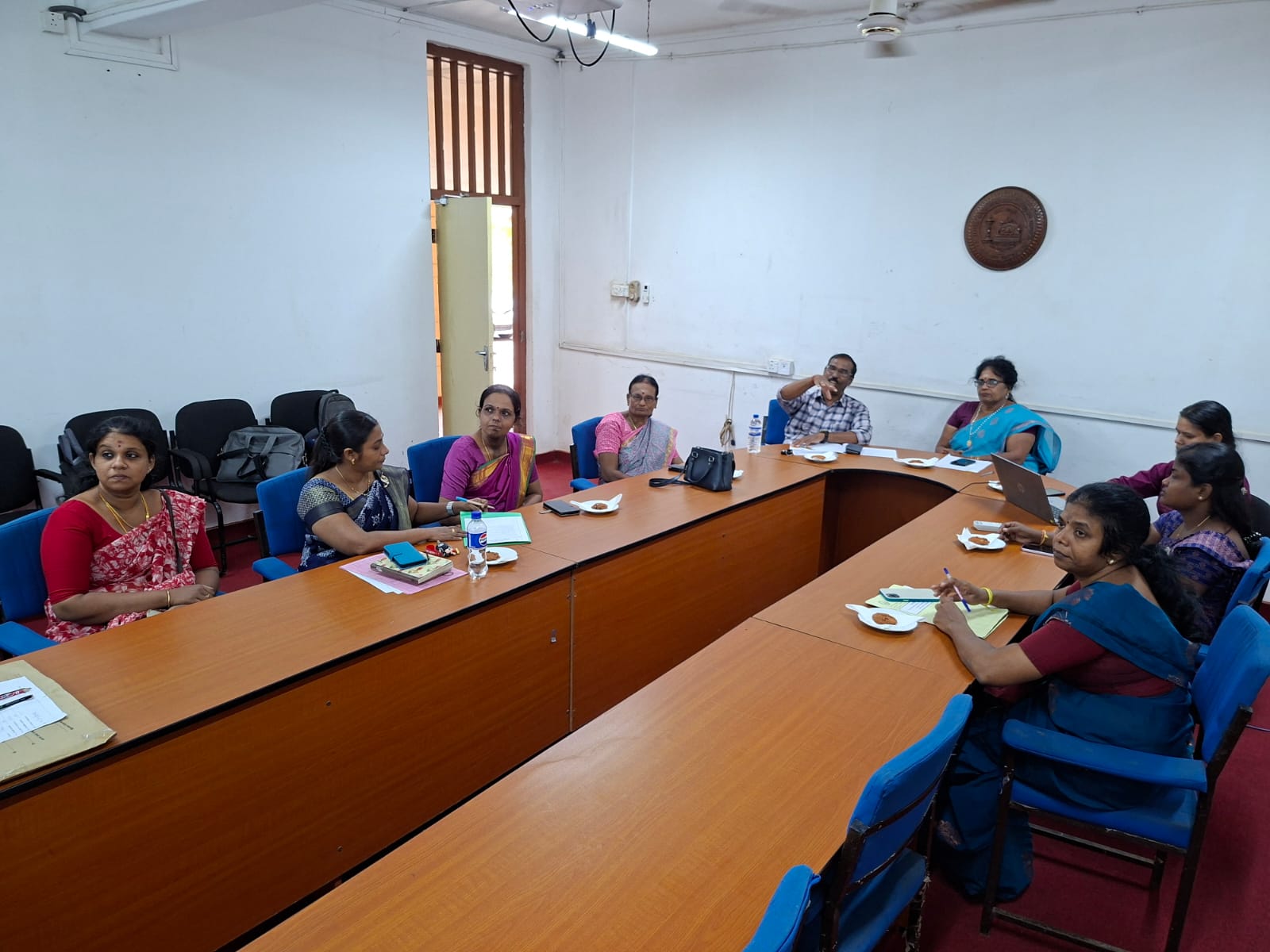
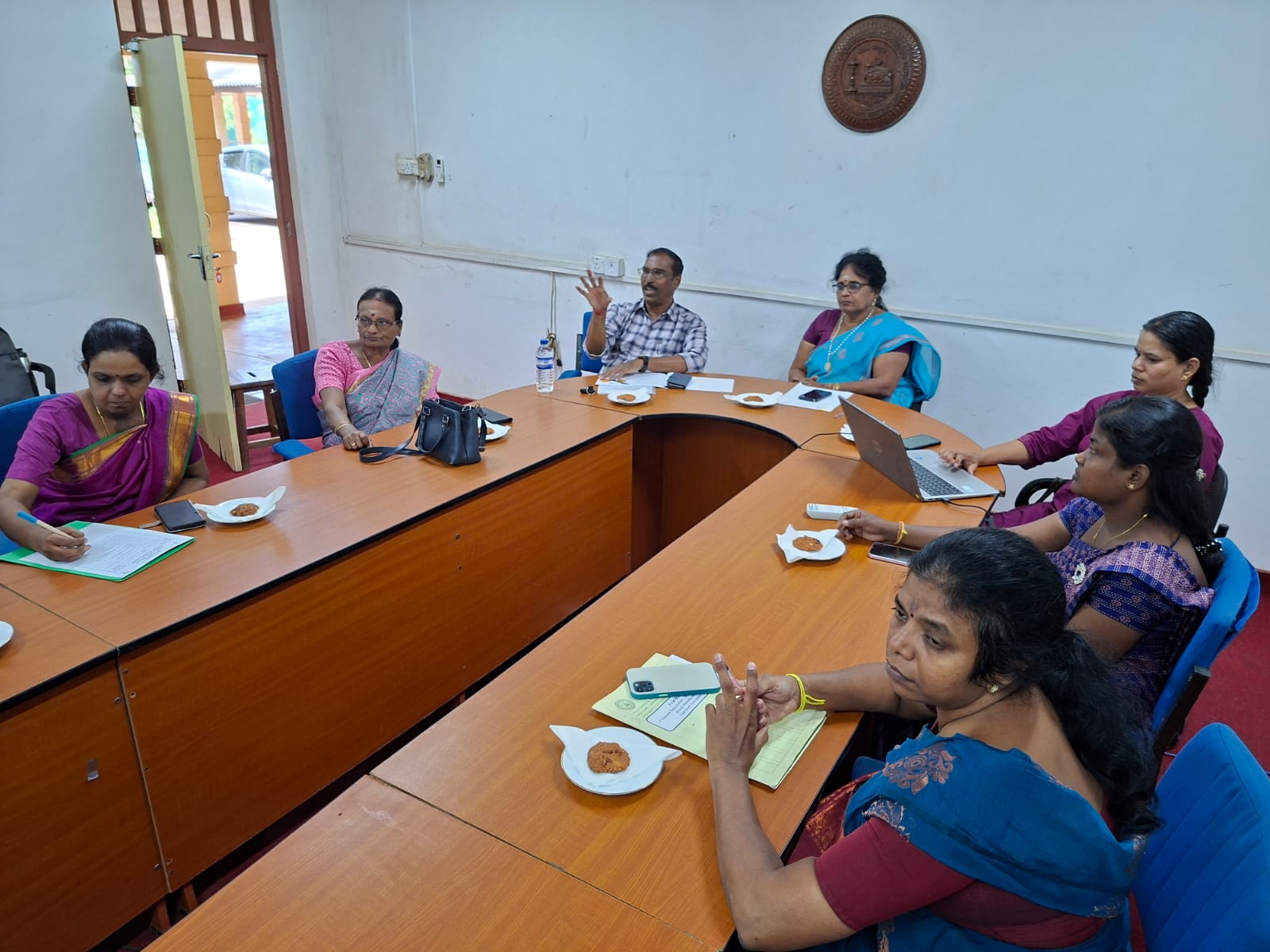
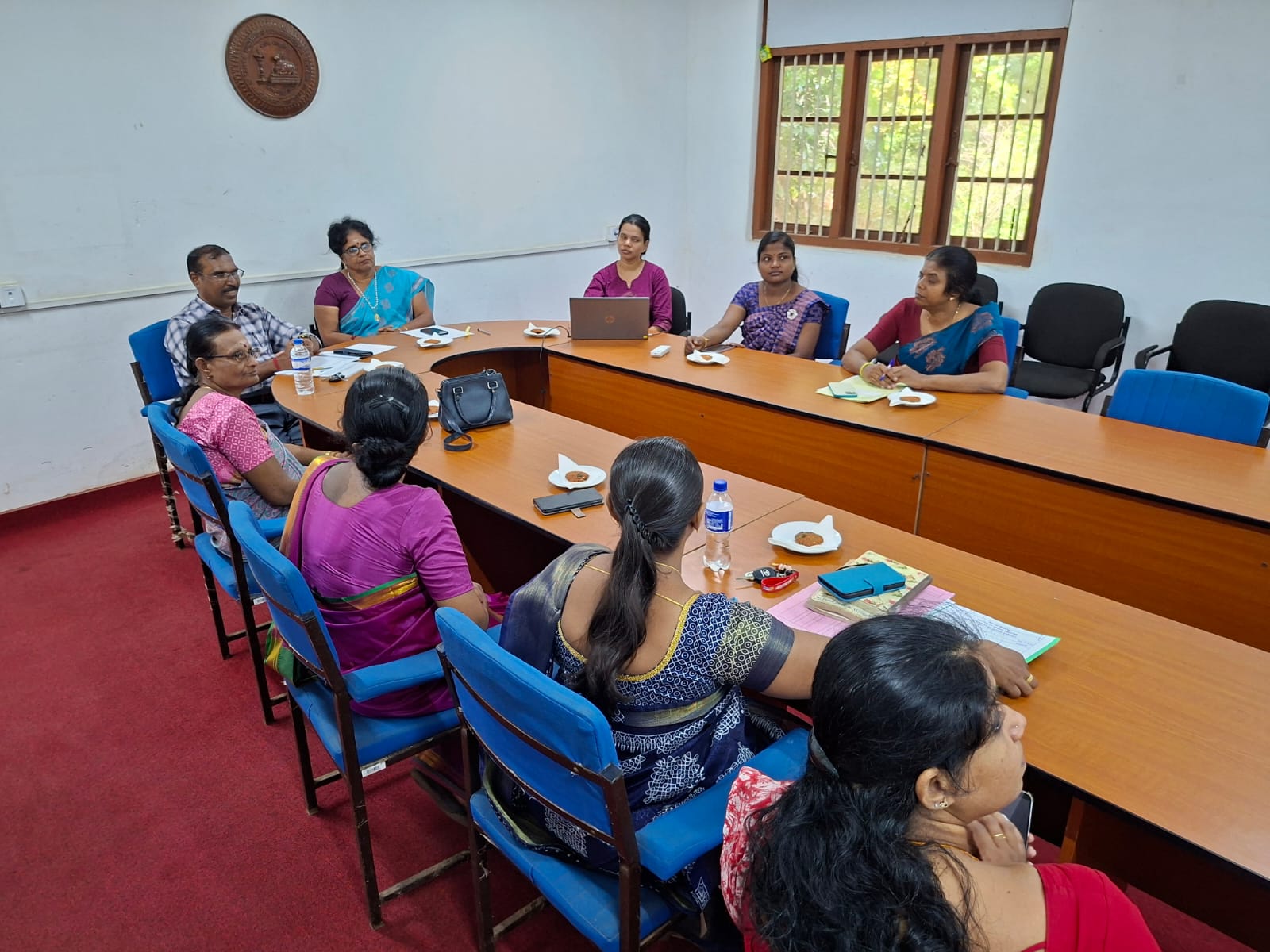
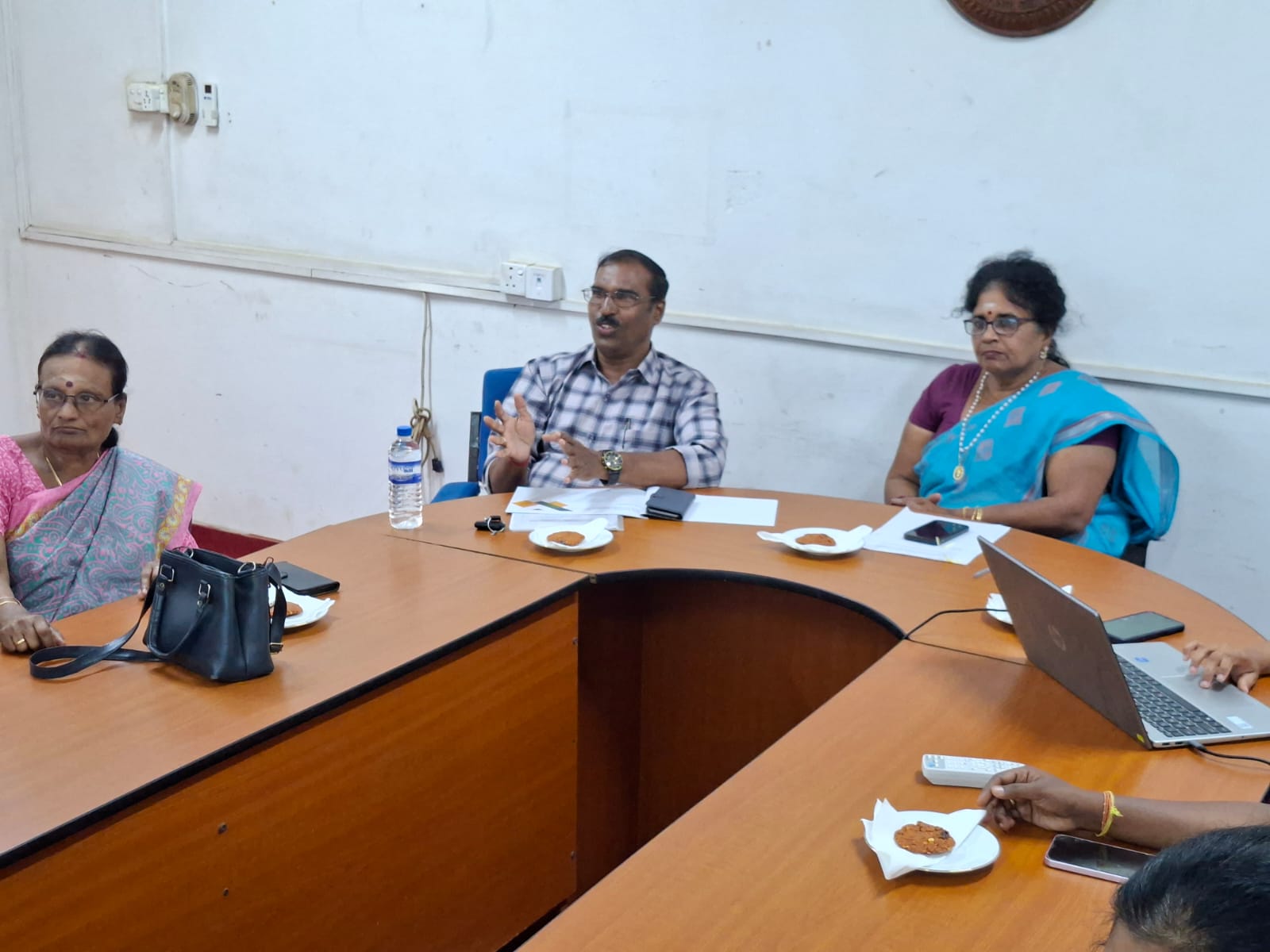
A discussion session on “Transforming Universities into Engines of Entrepreneurship and Regional Growth” was held from 10.30 a.m. to 11.00 a.m. The session was facilitated by Prof. V. Kanagasingam. The discussion was attended by the Dean, Senior Lecturers, and the IT Instructor of the Faculty.
The discussion focused on the proposed GATE NEXUS – Northern Universities Regional Transformation & Research Ecosystem (NURTURE) initiative, which aims to transform northern universities into dynamic centres of innovation, entrepreneurship, and regional economic development.
Prof. Kanagasingam outlined the vision and objectives of the NURTURE project, emphasizing the strategic role of universities in fostering innovation, supporting entrepreneurship, and creating sustainable economic opportunities for the region. The initiative seeks to strengthen northern universities by mobilising resources through the Sri Lankan diaspora and international development agencies, enhancing innovation and product development, improving youth employability through entrepreneurship and skills development, promoting stronger collaborations between universities and industries, and supporting community-based economic transformation.
The discussion also highlighted the importance of establishing a sustainable university-based innovation ecosystem that enables research findings, student innovations, and entrepreneurial ideas to be translated into commercially viable products, start-up ventures, and employment opportunities. Participants discussed the need to strengthen technology transfer, business incubation, interdisciplinary collaboration, and industry partnerships to maximise the societal and economic impact of university research.
The Dean and academic staff actively exchanged ideas on potential contributions of the Faculty towards the NURTURE initiative. Opportunities for collaborative research, product development, entrepreneurship training, and engagement with local industries and communities were explored. The participants expressed their willingness to support future activities under the project and recognised its potential to contribute significantly to regional development.
The discussion concluded with a shared commitment to work collaboratively in developing a vibrant innovation ecosystem within the university that promotes entrepreneurship, research commercialisation, and sustainable regional growth.