Initial Handling of Poisoning Emergencies
Topic: “Initial Handling of Poisoning Emergencies”
Subject Relevance: Nanjiyalum Neethi Maruthuvamum (Toxicology and Forensic Medicine)
Date: 25th September 2026
Venue: Auditorium, Faculty of Siddha Medicine, University of Jaffna
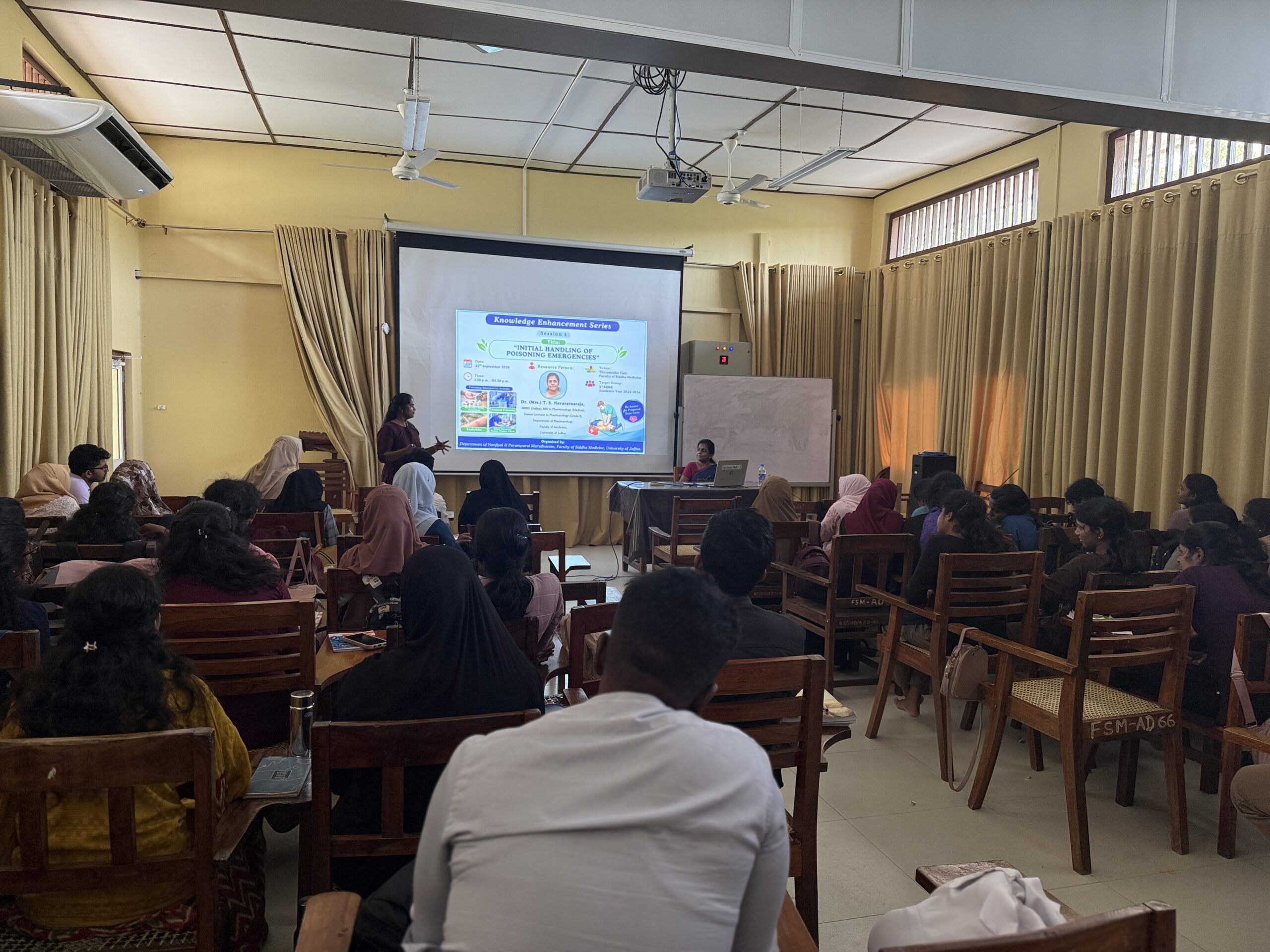
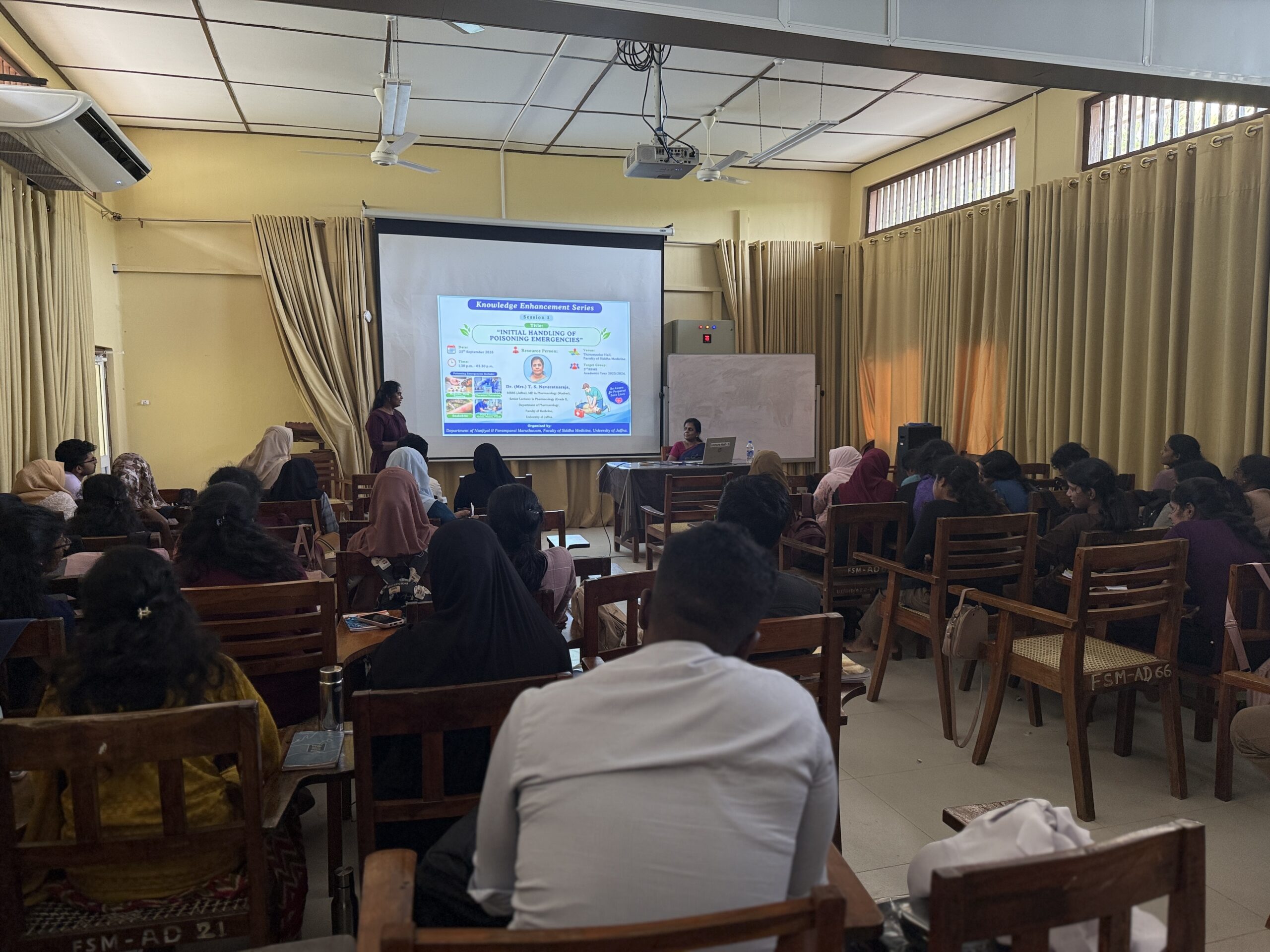
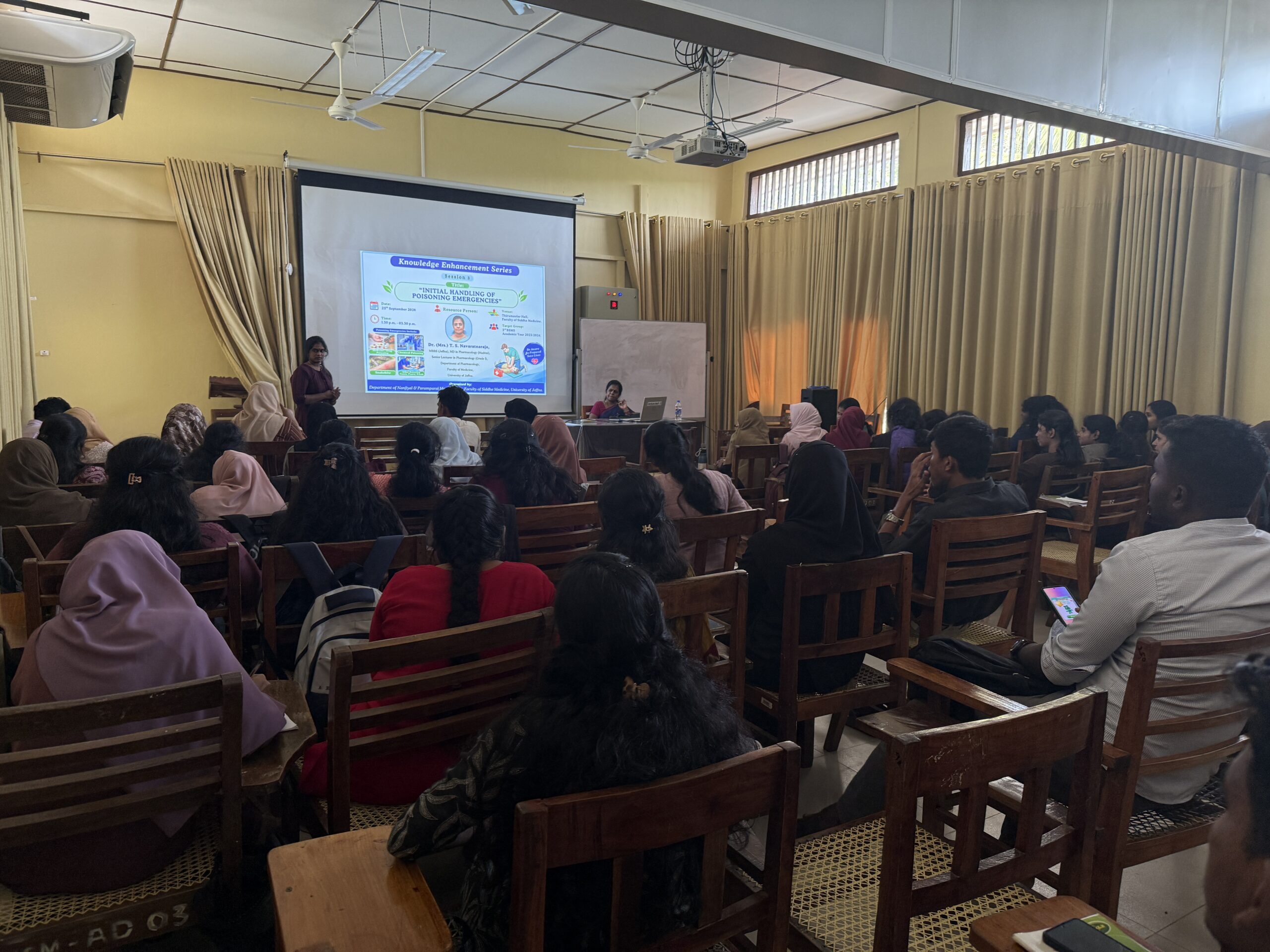
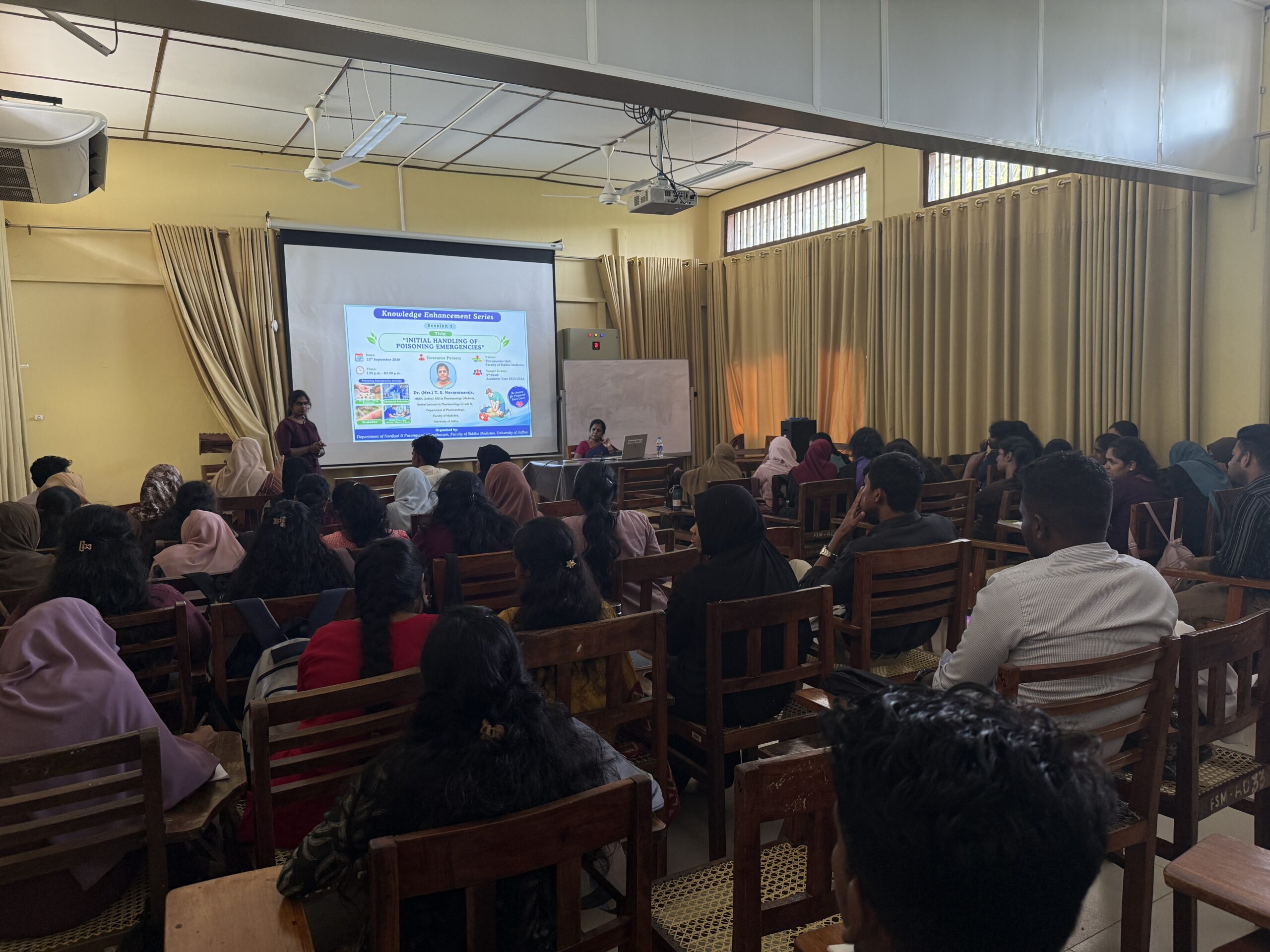
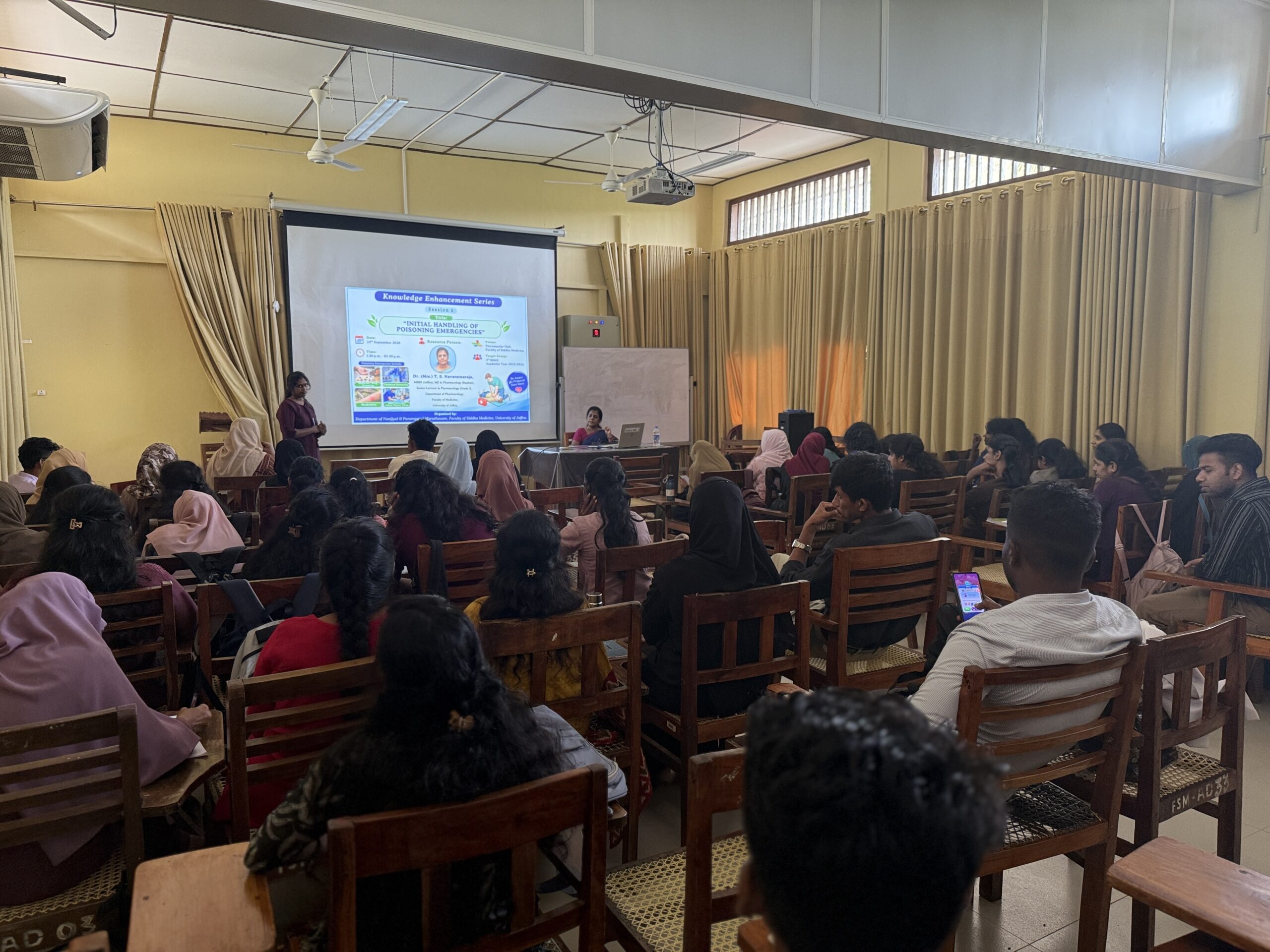
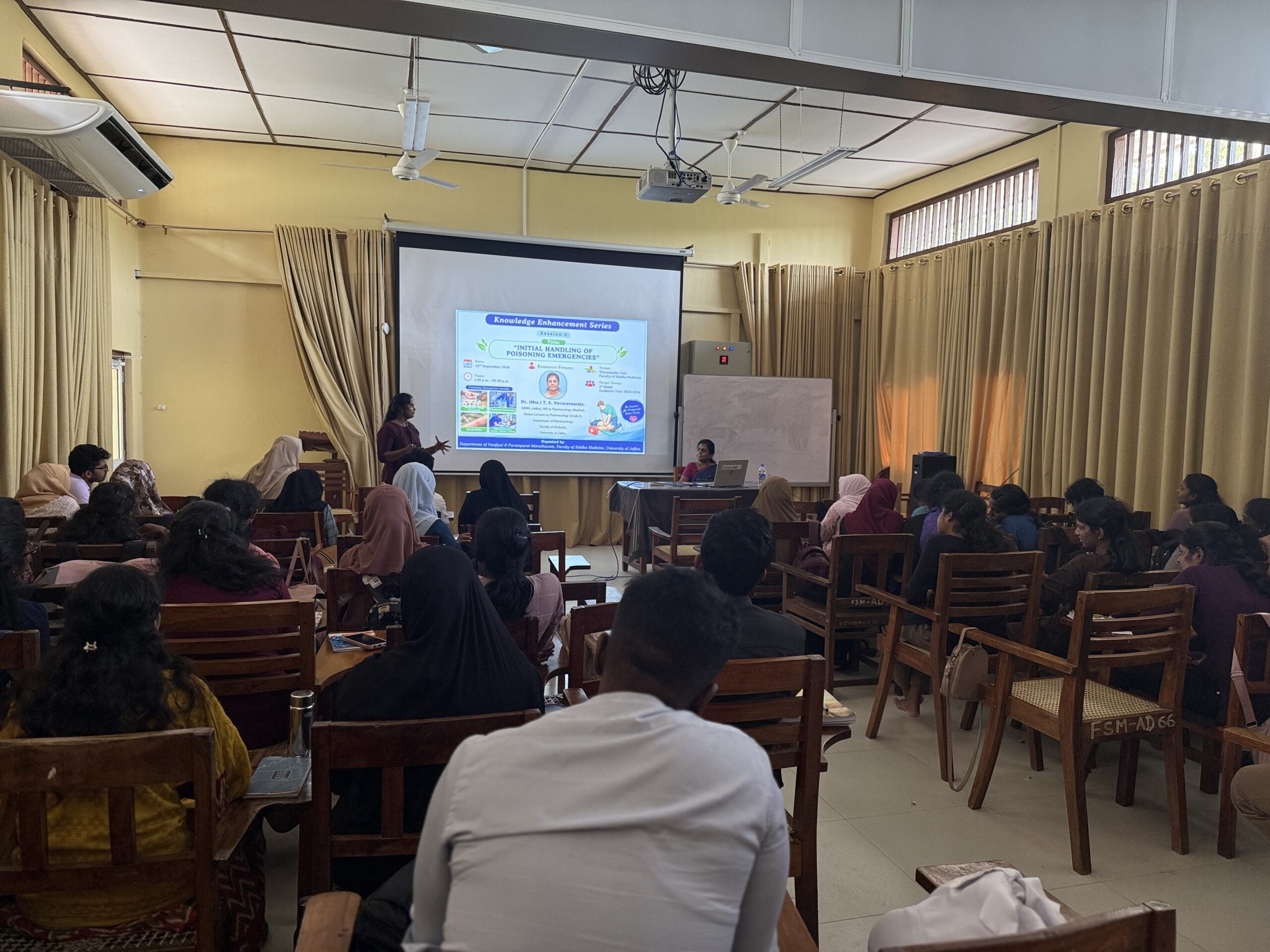
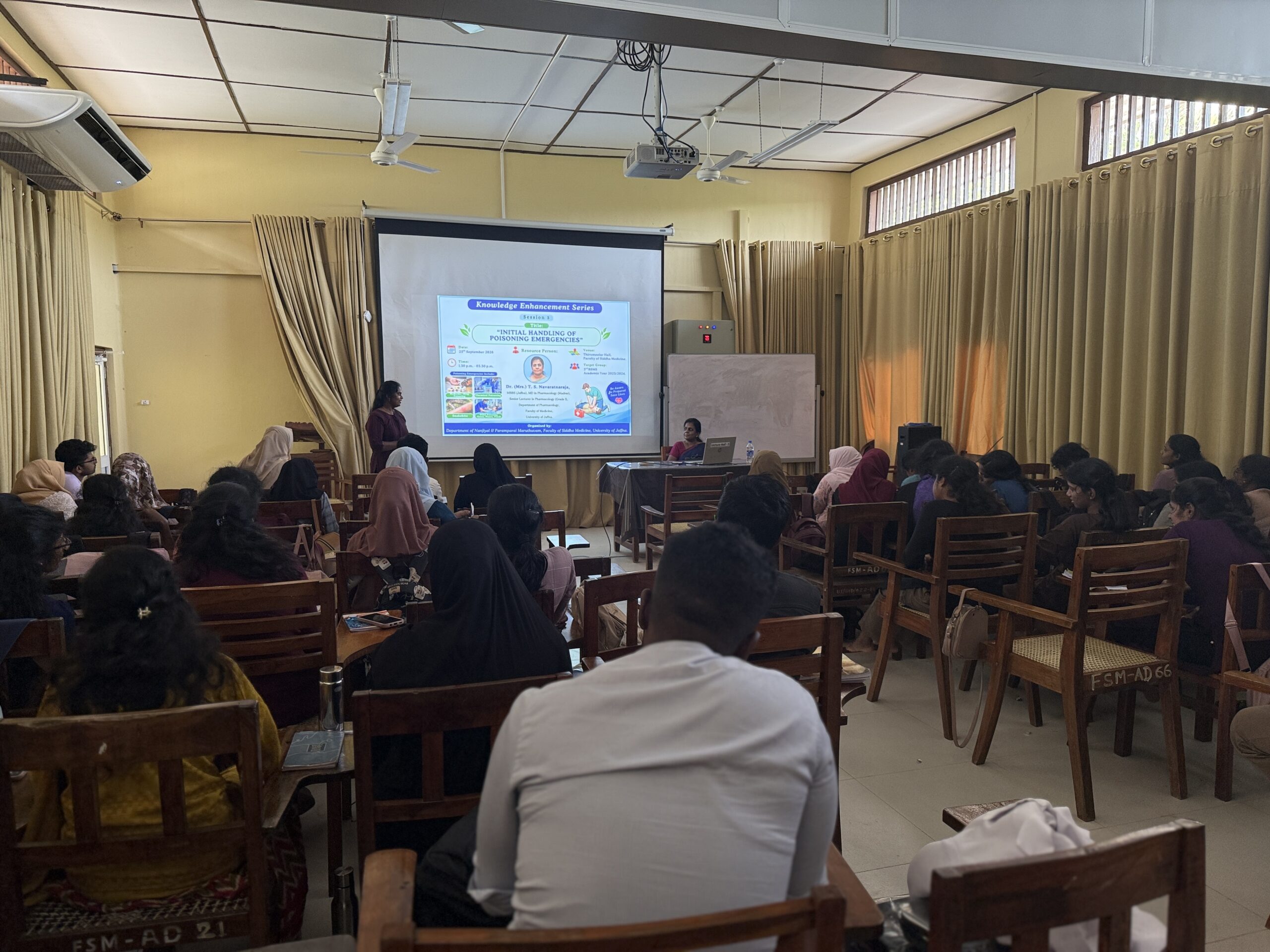
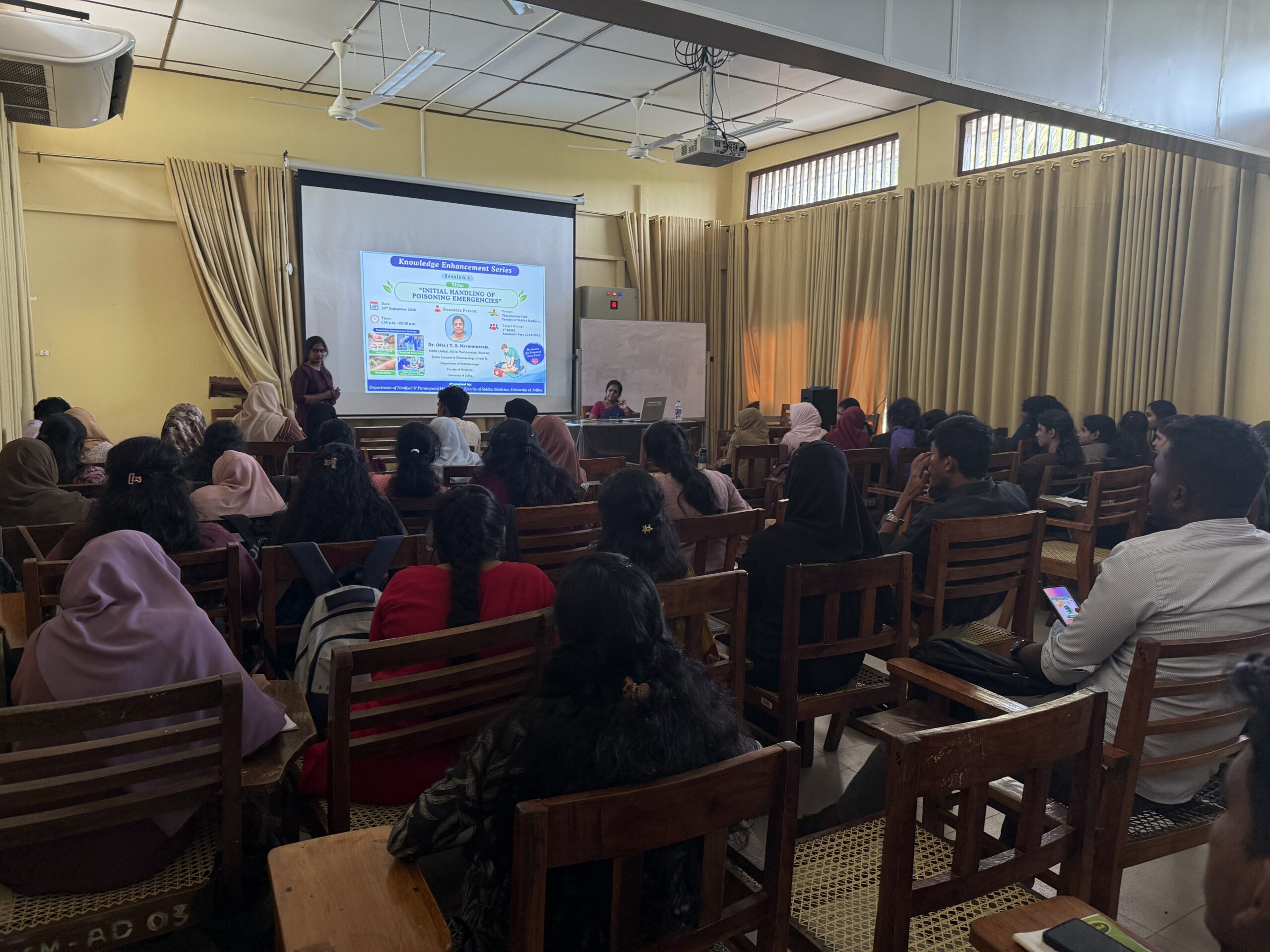
The Department of Nanjiyal & Paramparai Maruthuvam, Faculty of Siddha Medicine, University of Jaffna, successfully conducted the third session of its Knowledge Enhancement Series for Third Year BSMS students on 25th September 2026 at Auditorium, Faculty of Siddha Medicine, University of Jaffna. The session, organized as part of the Nanjiyalum Neethi Maruthuvamum (Toxicology and Forensic Medicine) curriculum, aimed to strengthen students’ theoretical and practical knowledge of poisonous snakes in Sri Lanka.
The programme commenced with the Introduction of the Resource Person, Dr. (Mrs.)T. S. Navaratnaraja, Senior Lecturer in Pharmacology, Grade I, Department of Pharmacology, Faculty of Medicine, University of Jaffna, by Dr. (Mrs.) M. N.Roshana, Senior Lecturer, Department of Nanjiyal & Paramparai Maruthuvam.
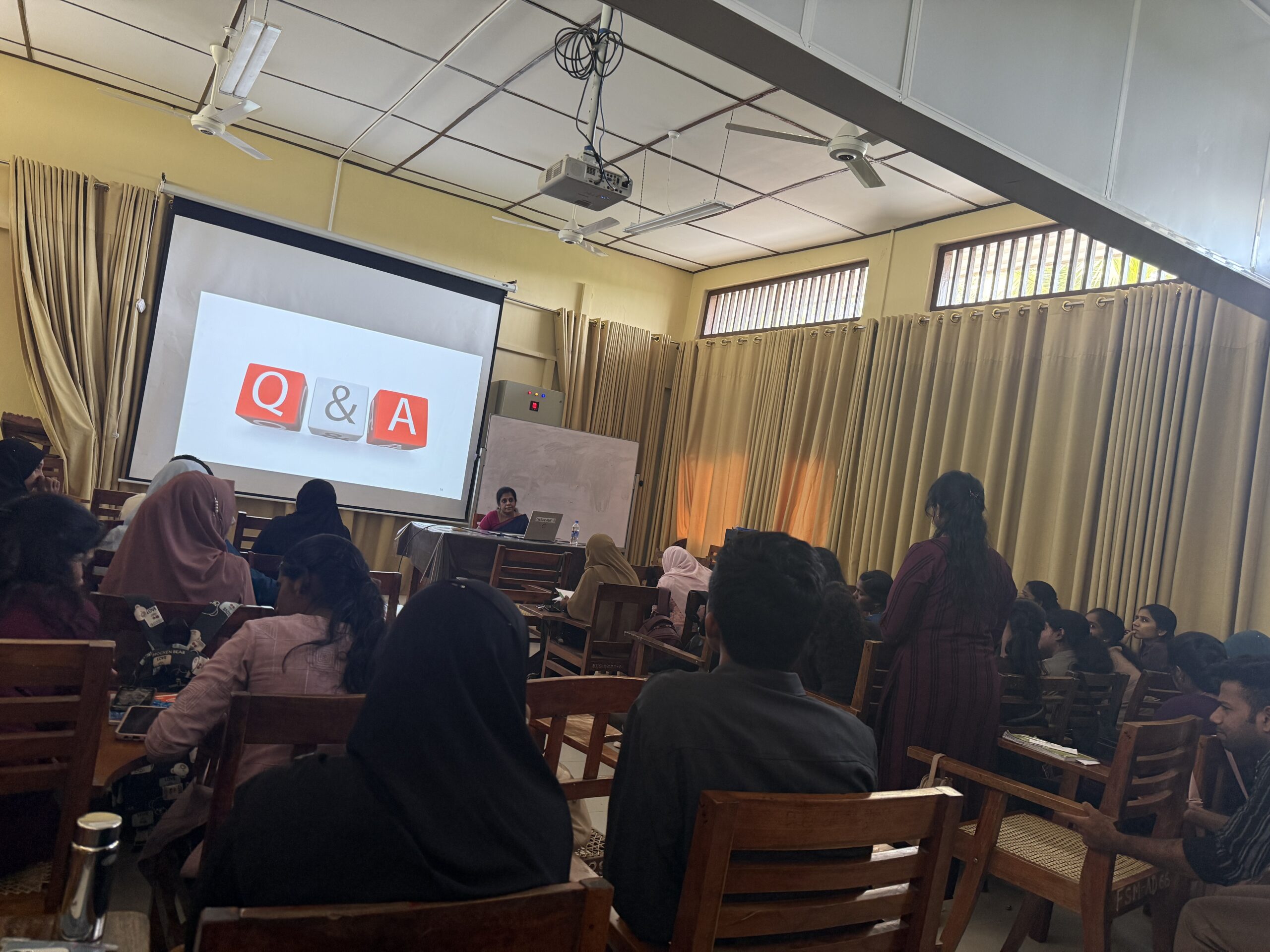
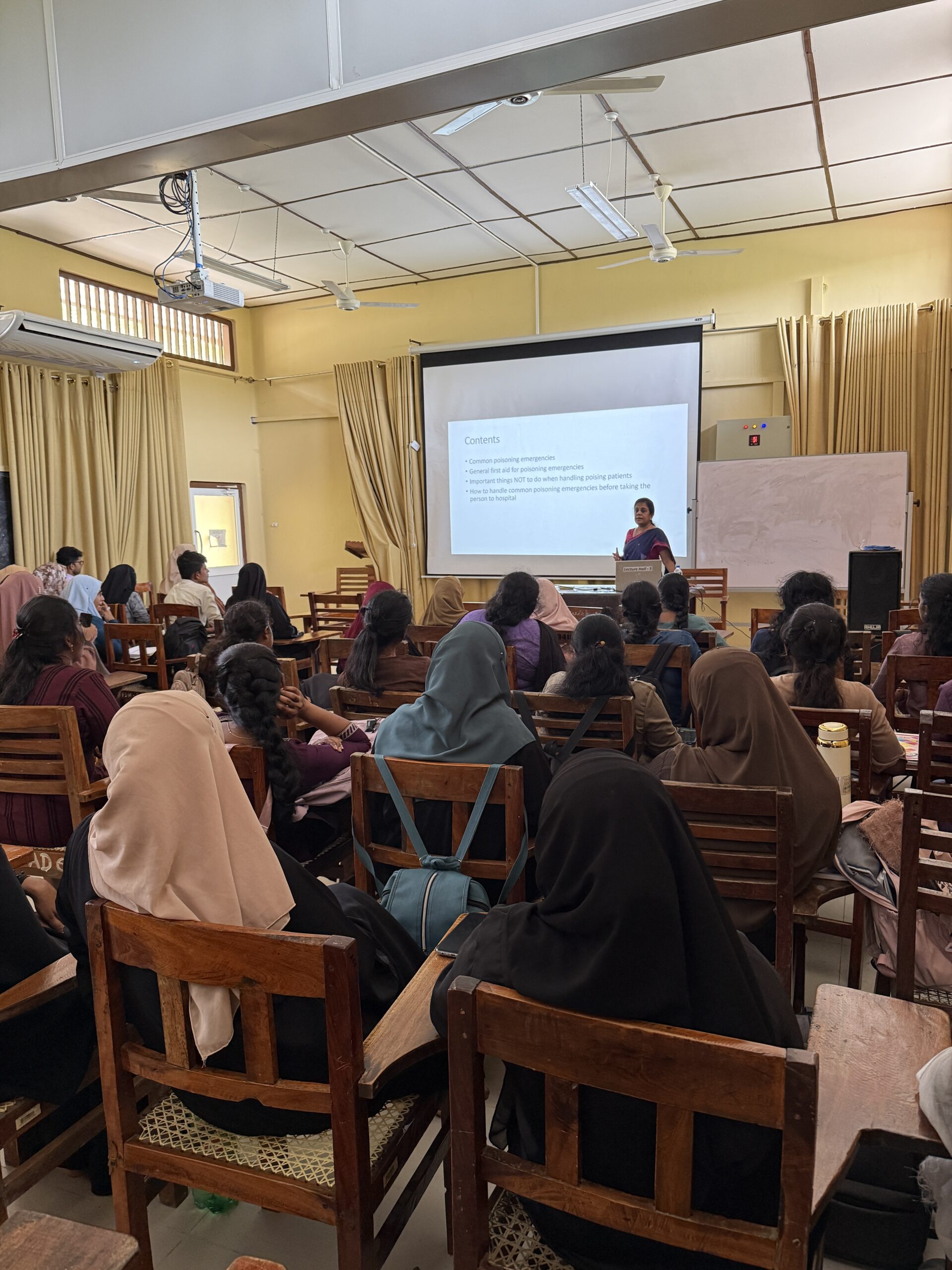
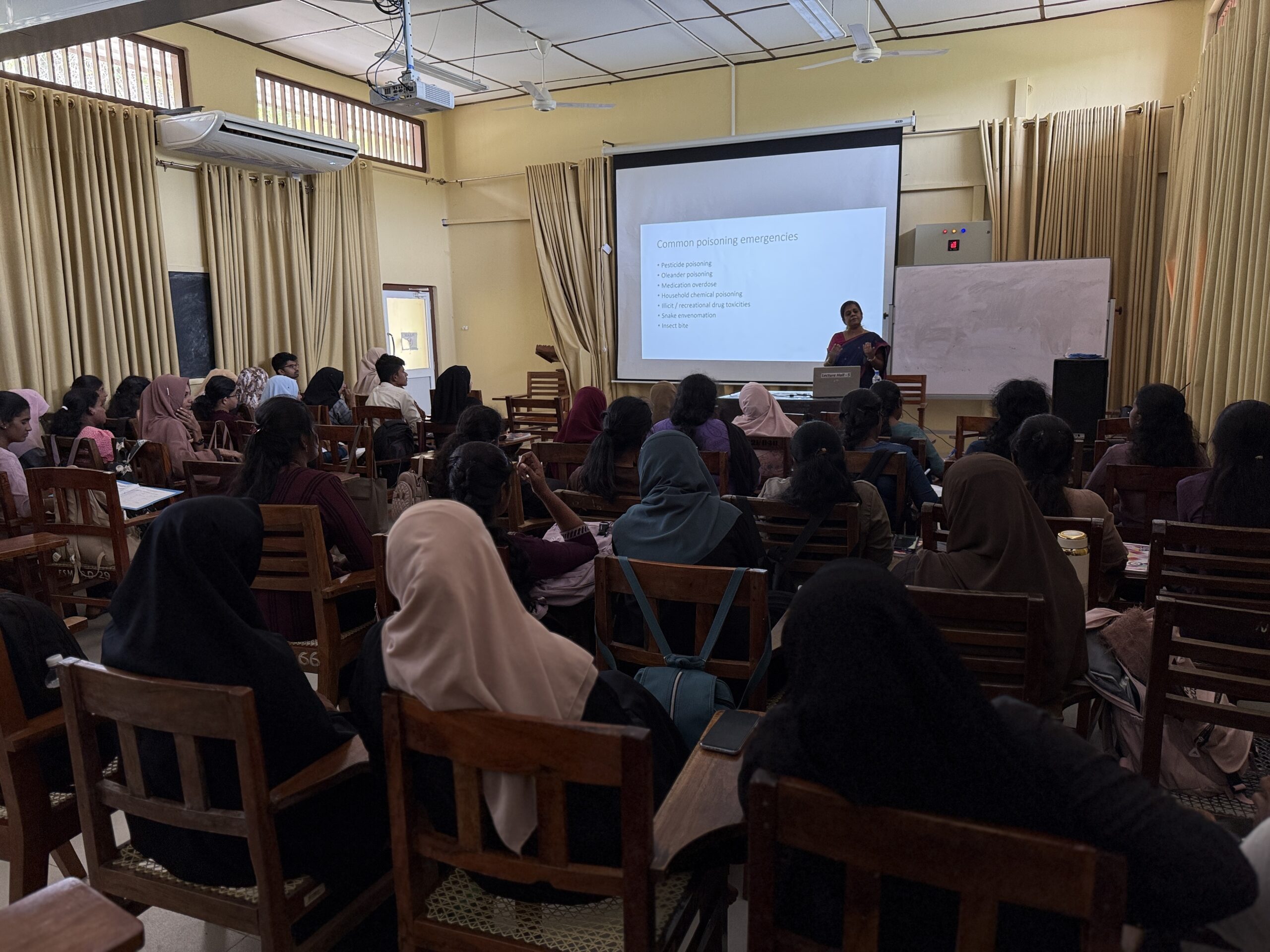
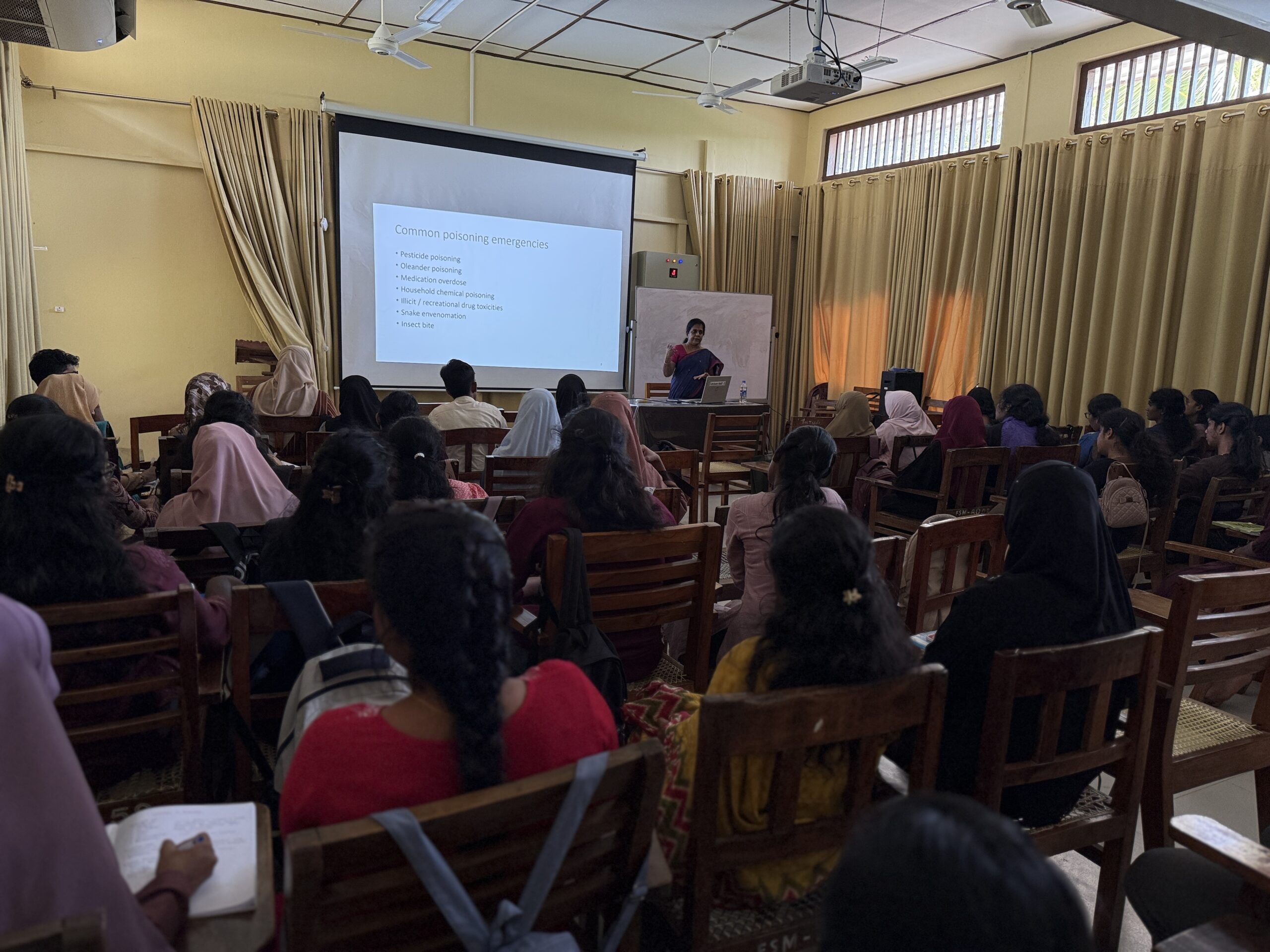
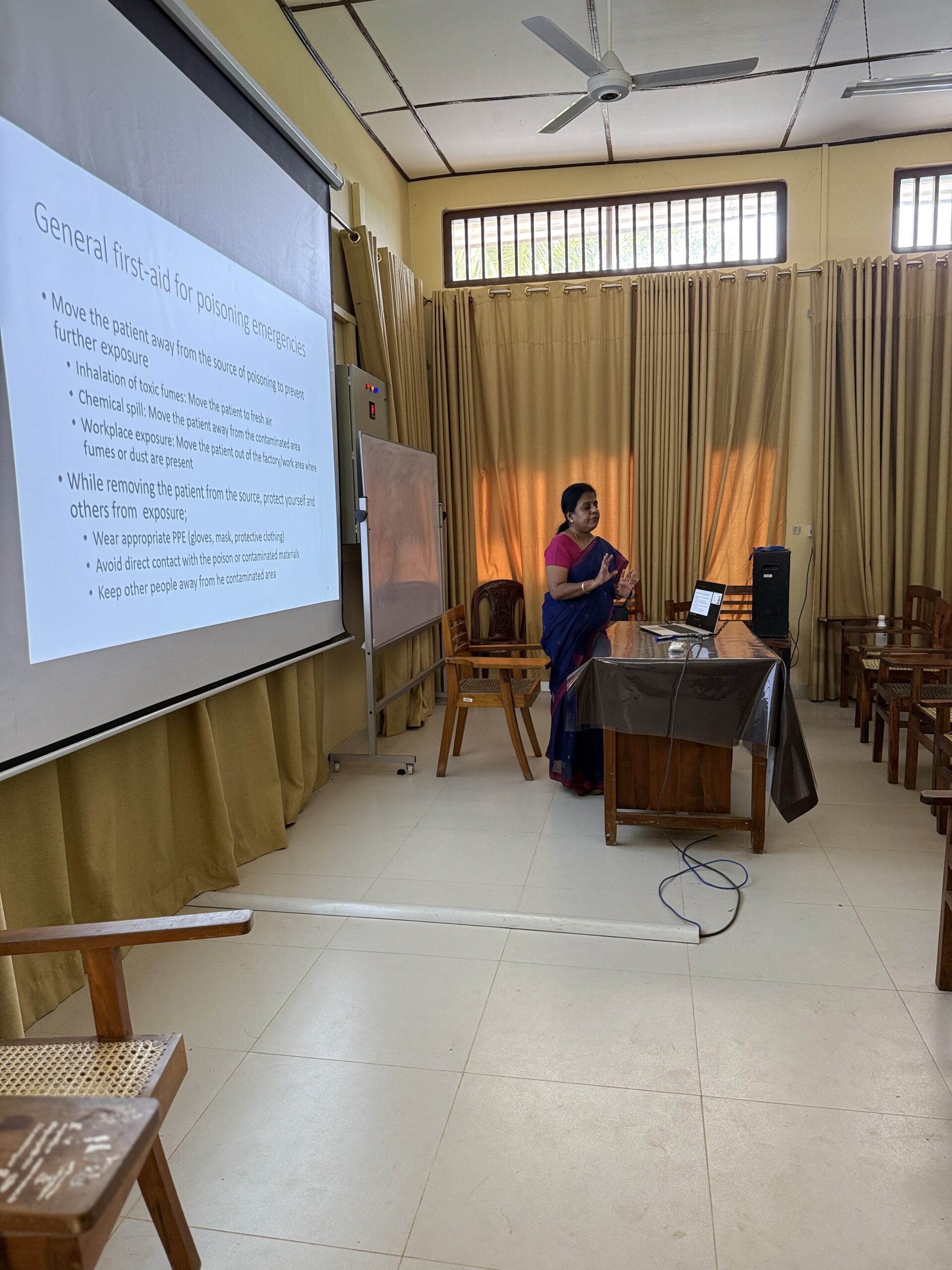
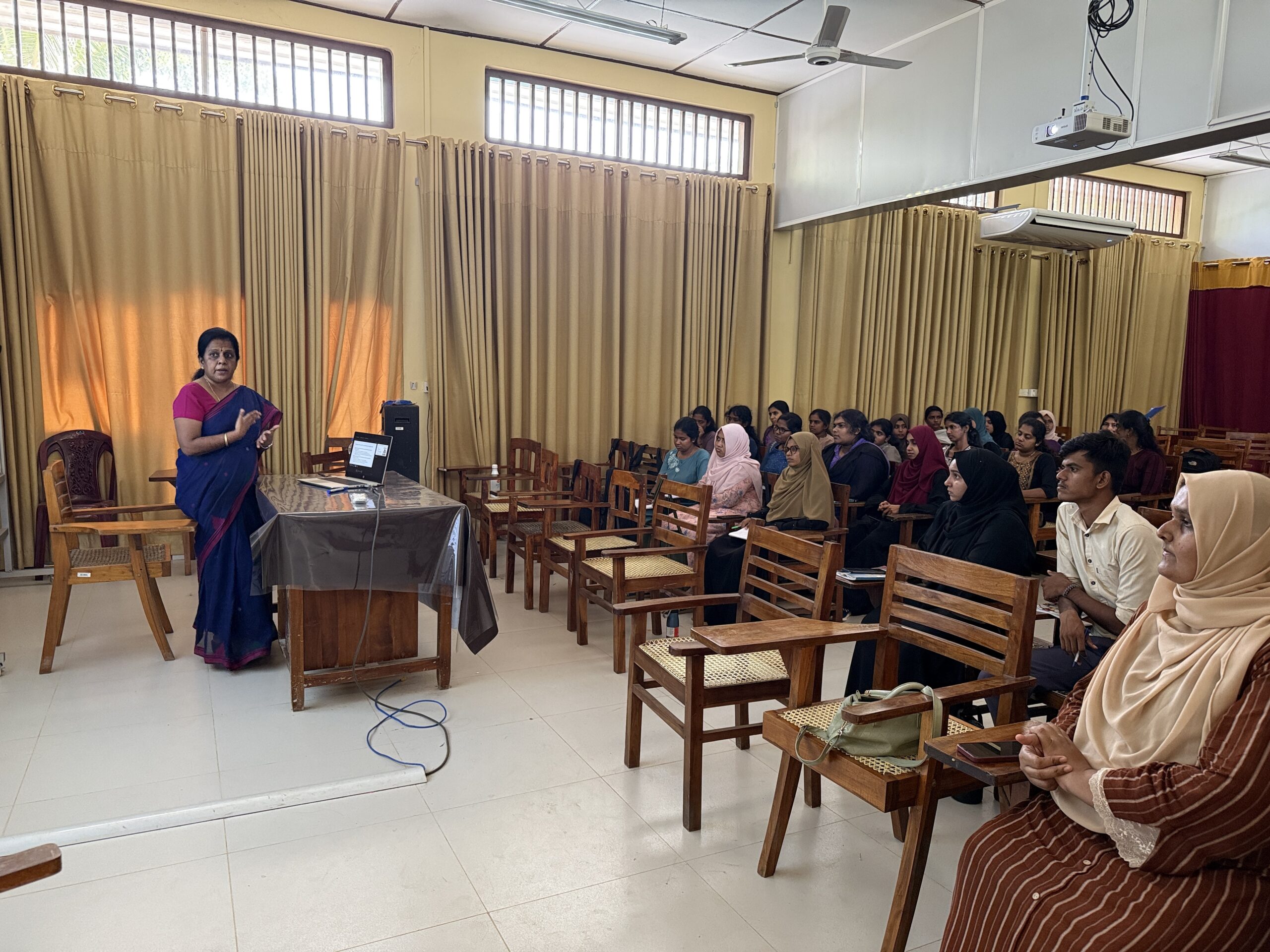
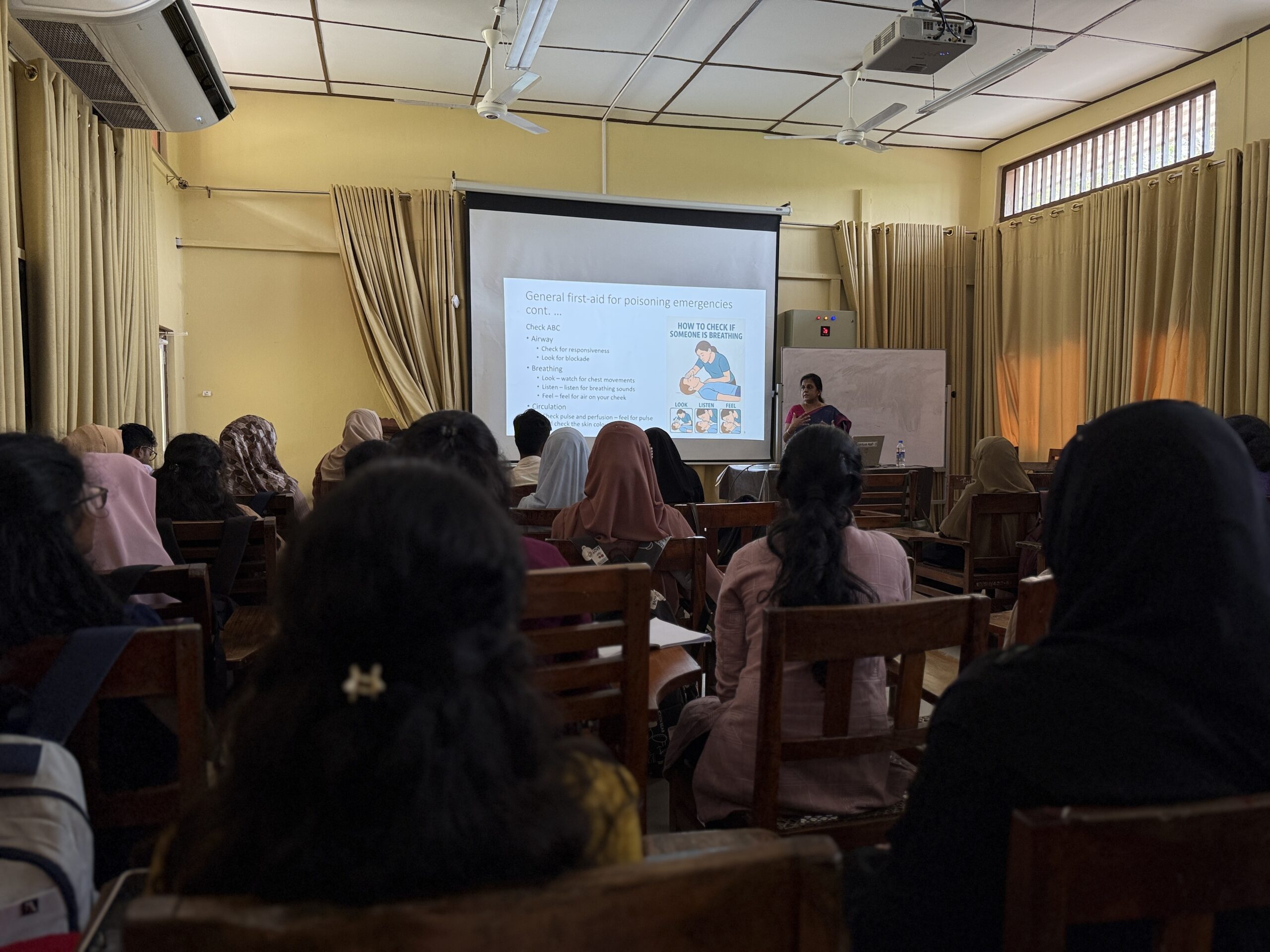
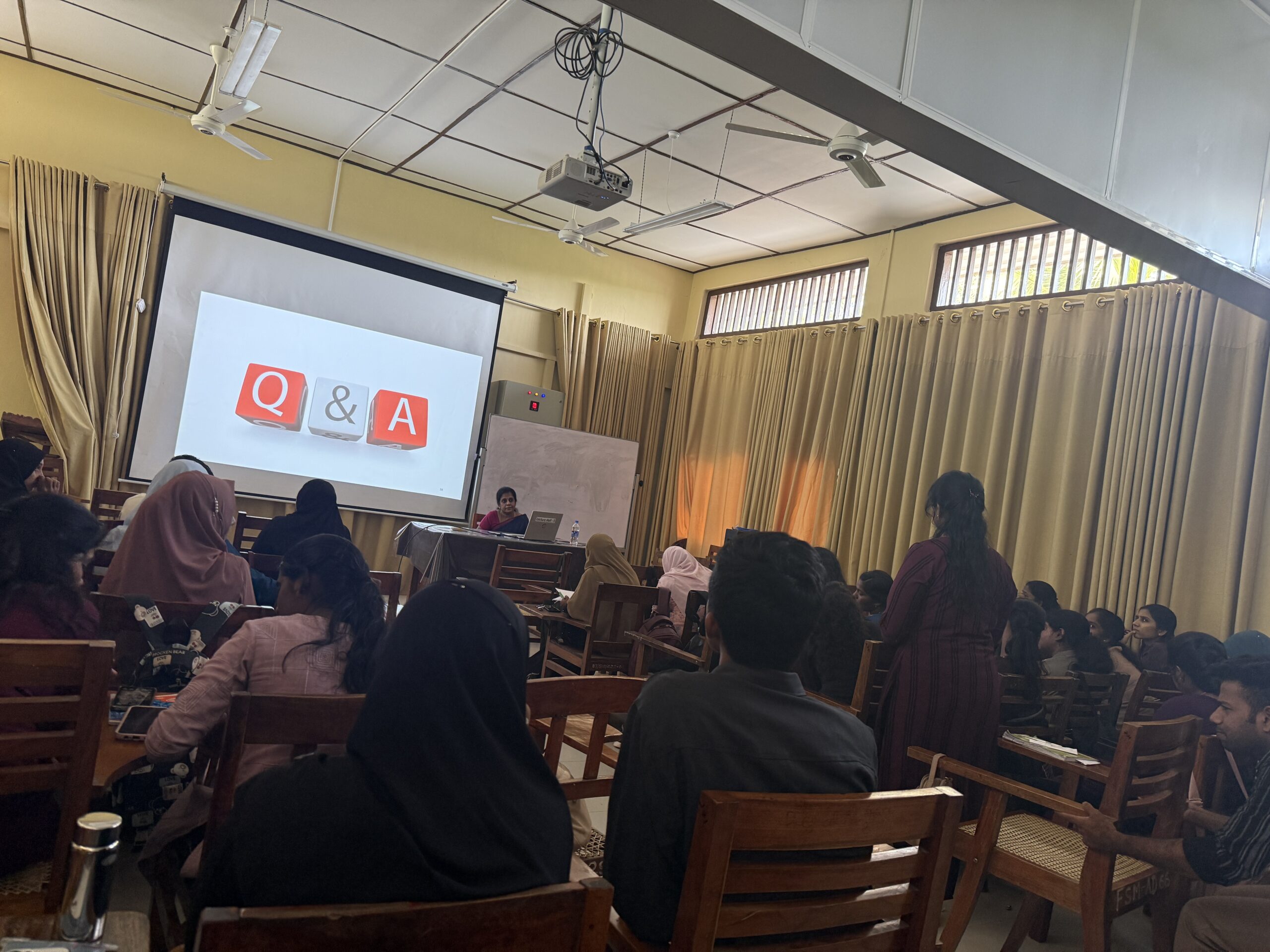
Dr. (Mrs.) T. S. Navaratnaraja delivered an informative and interactive lecture on “Initial Handling of Poisoning Emergencies,” covering the introduction to poisoning emergencies, objectives of initial management, the primary survey and ABC approach, different types of poisoning, and appropriate measures to be taken and avoided during the initial management of poisoning emergencies.An interactive question-and-answer session followed, during which students actively engaged with the Resource Person and clarified their doubts.
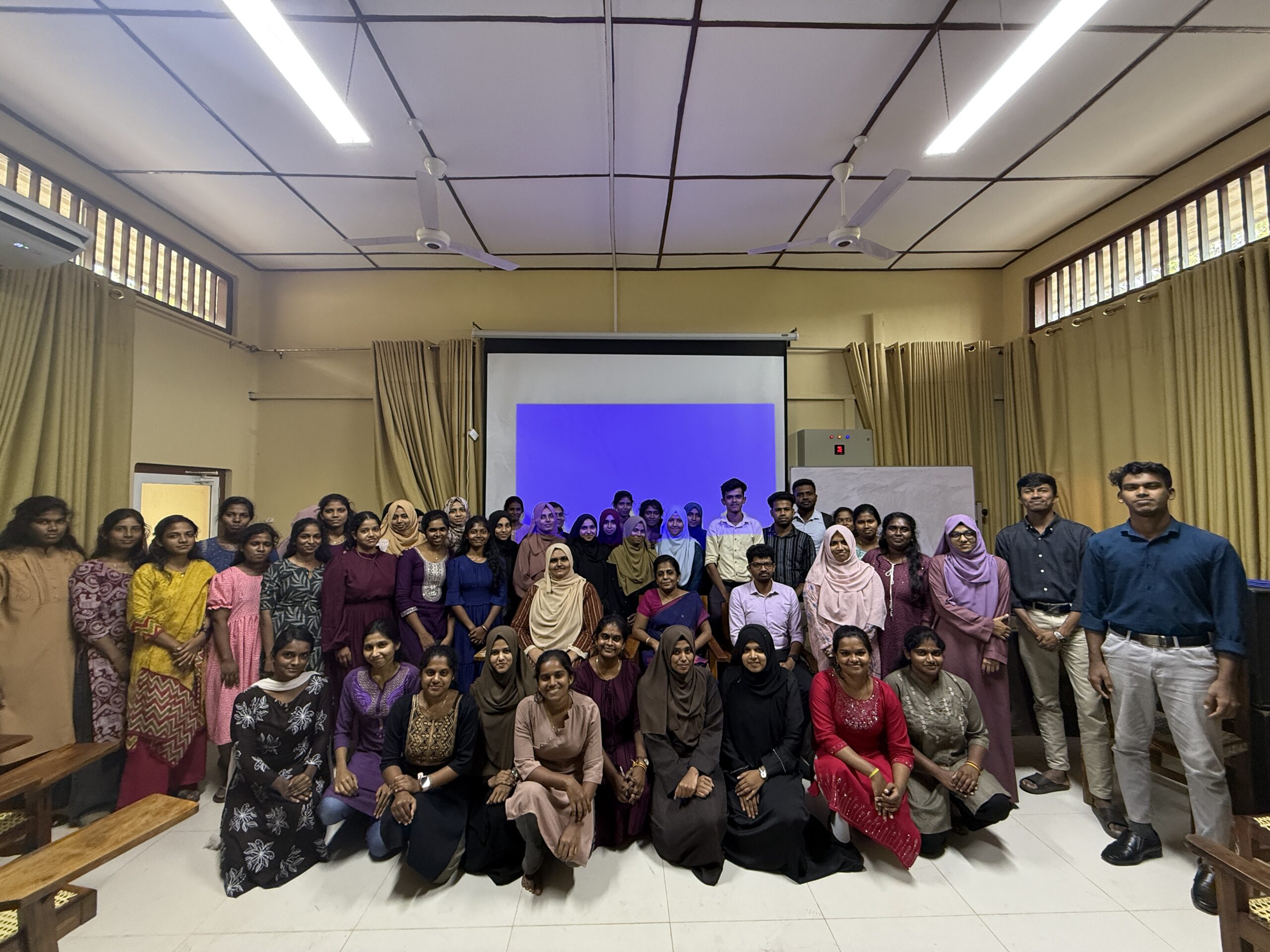
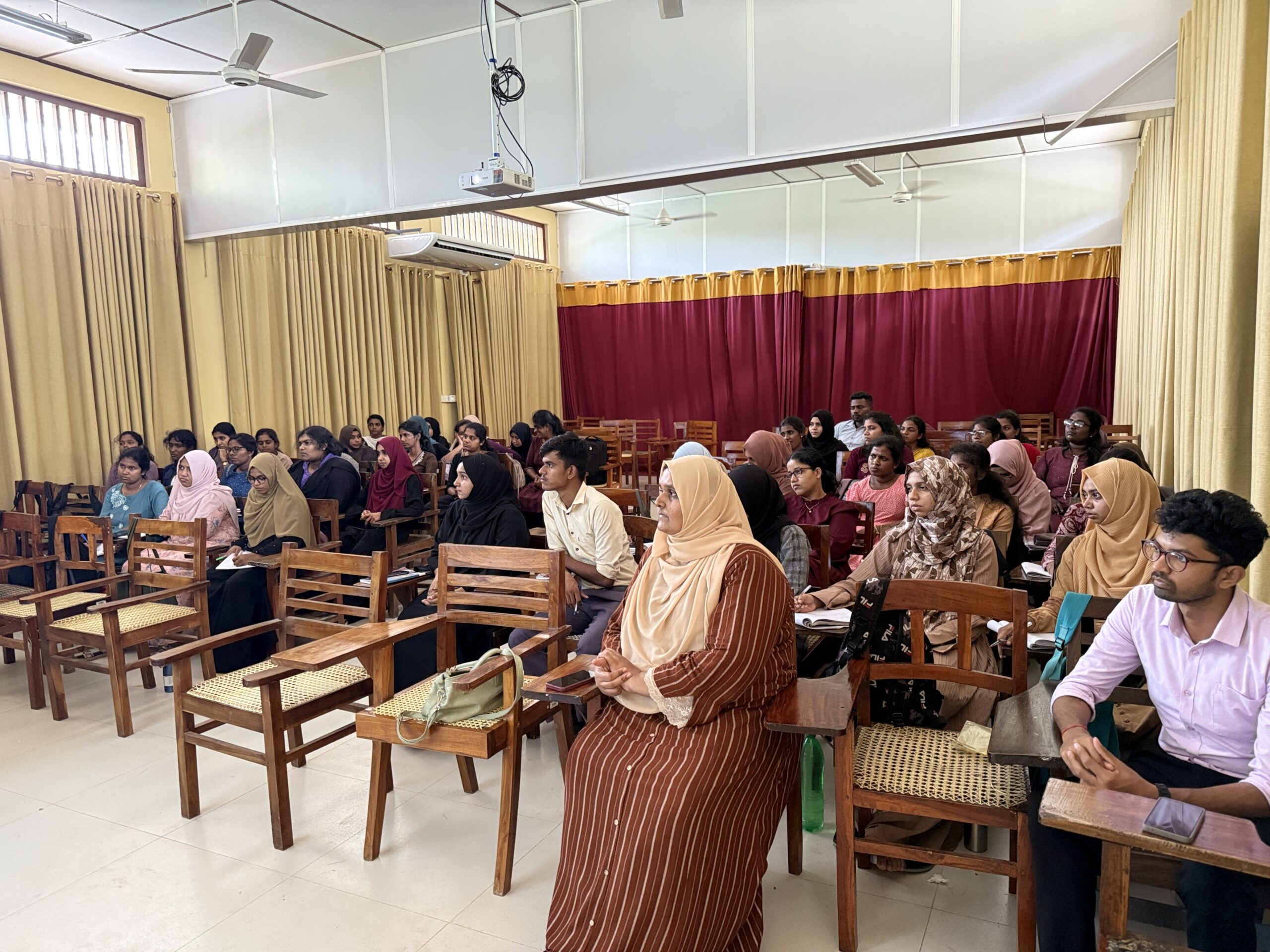
A total of 49 Third Year BSMS students participated in the programme and benefited from this interdisciplinary learning experience. The session concluded with words of appreciation from student representatives, followed by the Vote of Thanks delivered by Mr. V. Koshihan, Temporary Demonstrator.
An online feedback survey was completed by 41 students, with the results indicating a high level of satisfaction. Participants rated the session as highly informative, well organized, clearly presented, and effective in enhancing their knowledge and understanding the Initial Handling of Poisoning Emergencies.
The programme was successfully completed at approximately 3.30 p.m., reaffirming the Department’s commitment to providing quality academic enrichment through expert-led learning opportunities and interdisciplinary collaboration.