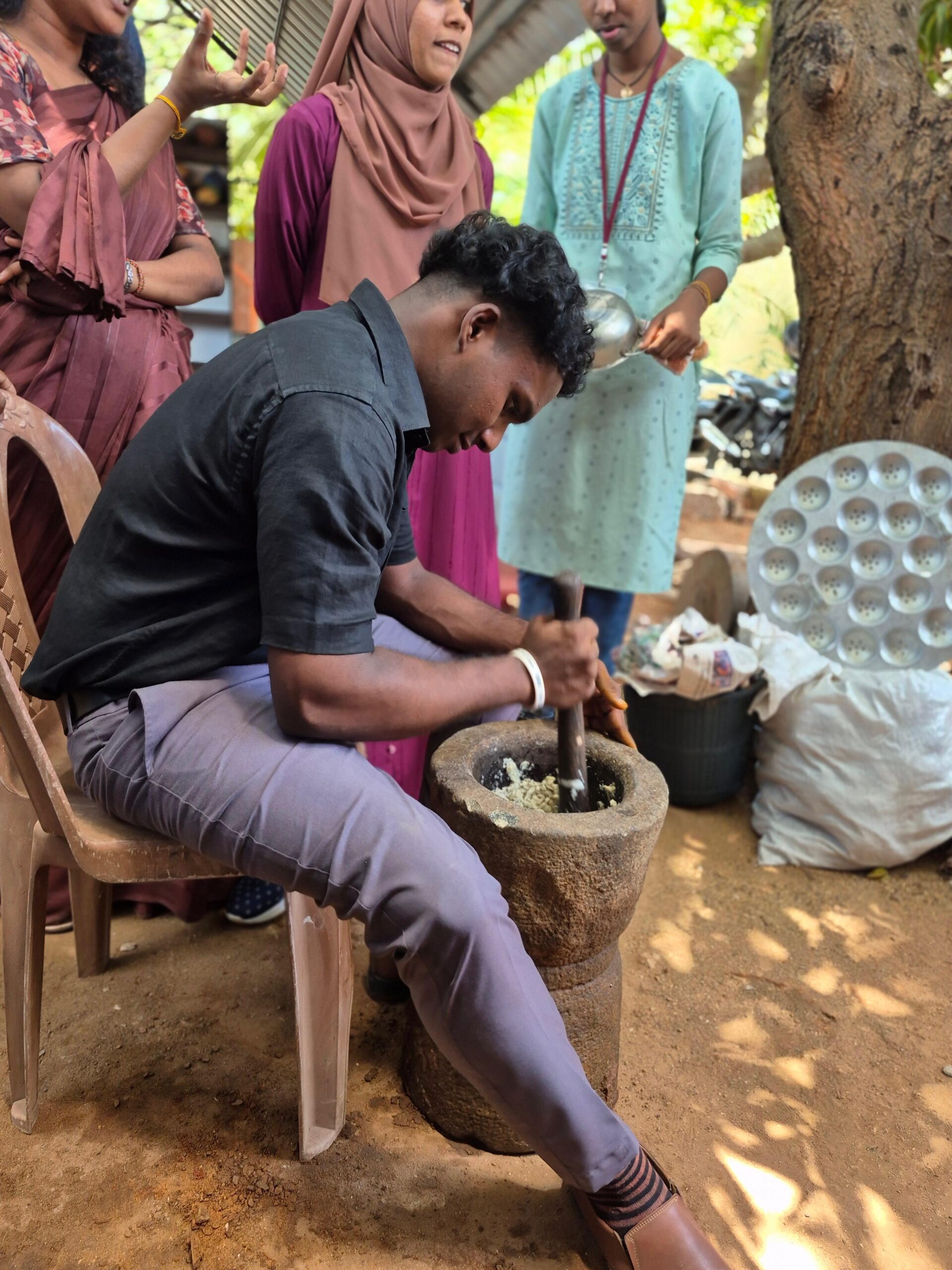
Practical demonstration of processing of raw materials
Farmers’ Awareness Programme on Processing and Preservation of Ginger, Turmeric and Arrowroot
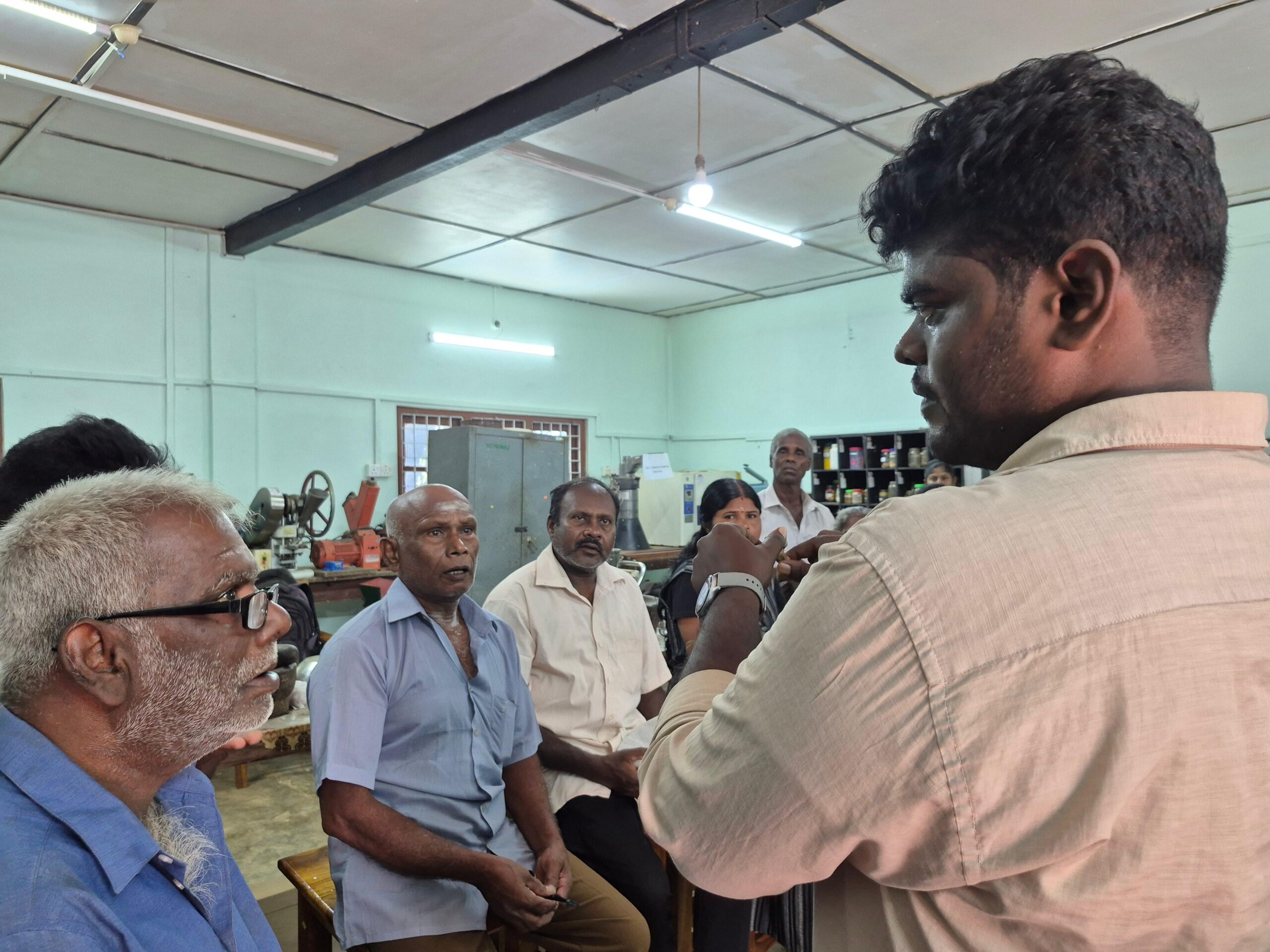
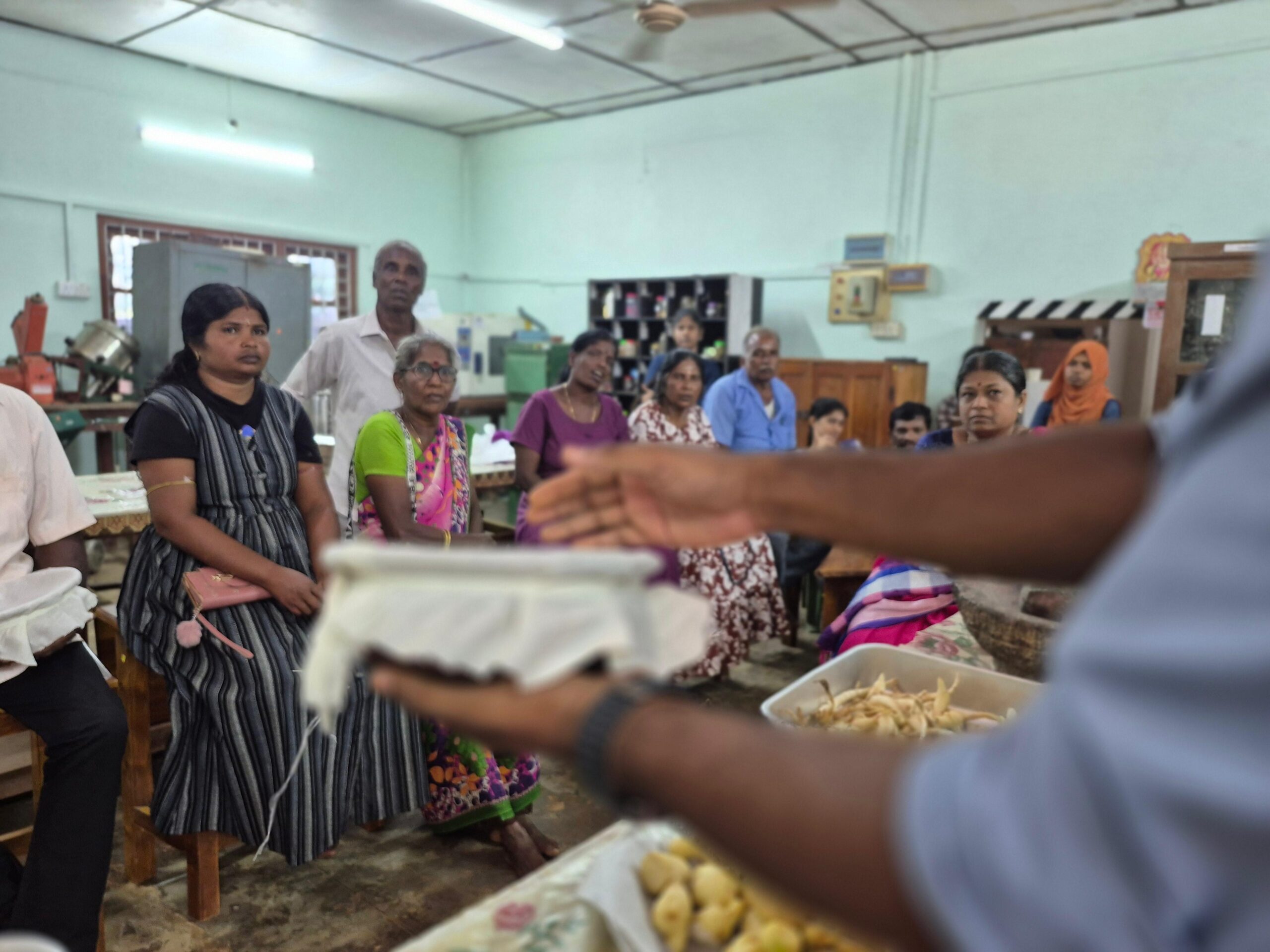
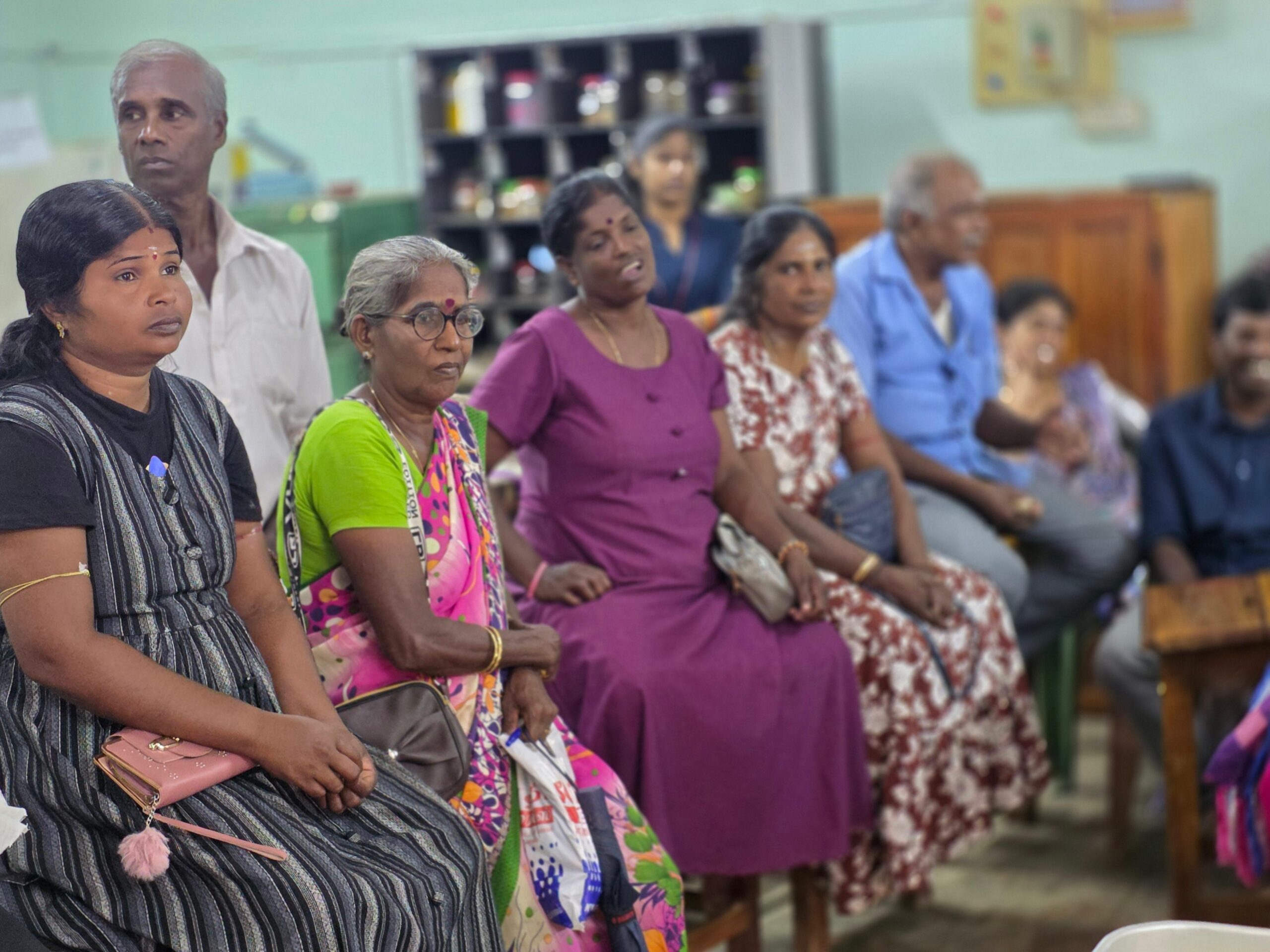
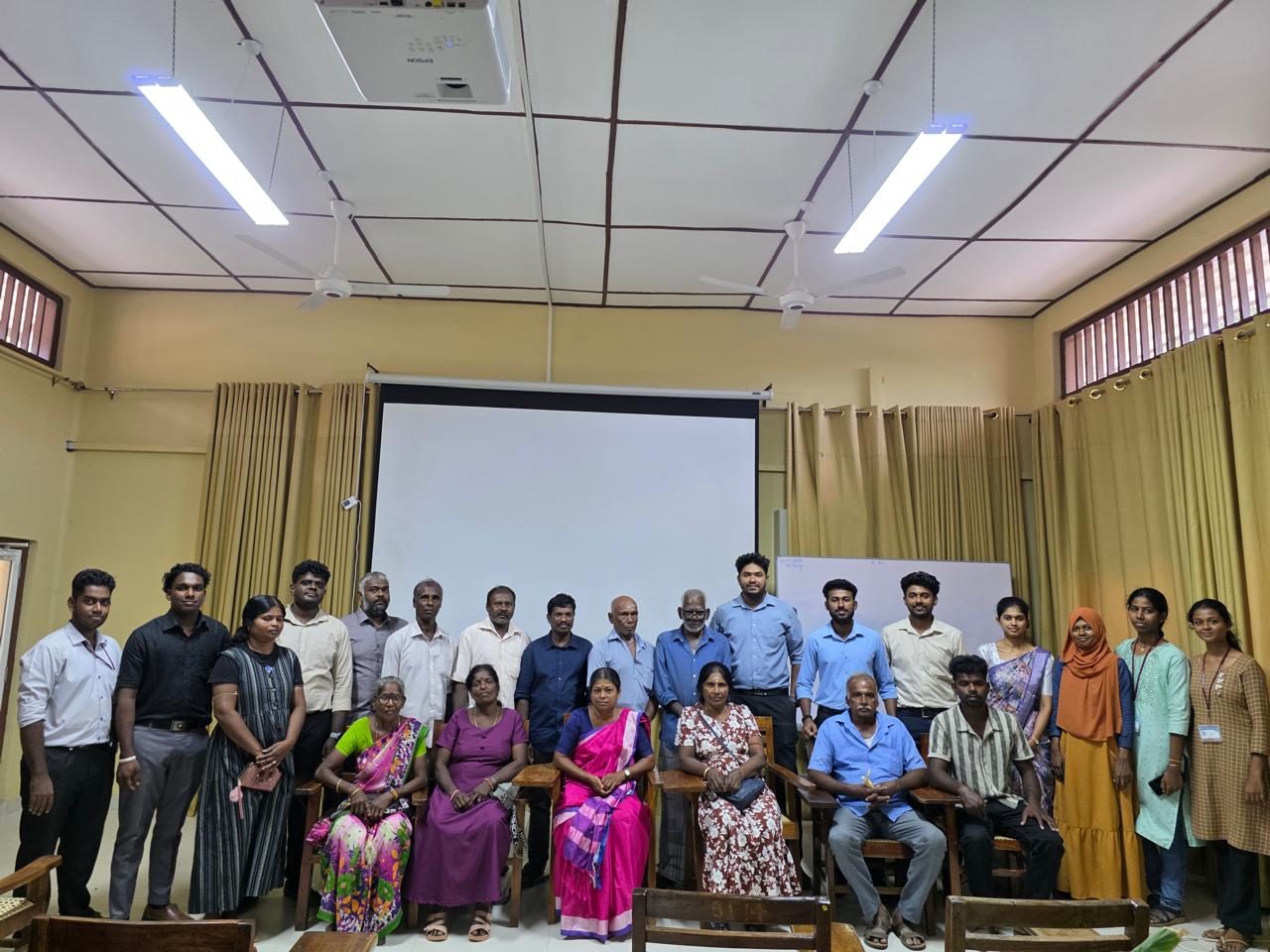
As a continuation of the Farmers’ Awareness Programme on the processing and preservation of ginger (Zingiber officinale), turmeric (Curcuma longa) and arrowroot (Maranta arundinacea), a practical demonstration session was conducted at the Pharmacy Laboratory, Faculty of Siddha Medicine, University of Jaffna. The farmers were guided to the Pharmacy Laboratory to provide them with hands-on knowledge regarding the practical processing of selected medicinal raw materials.
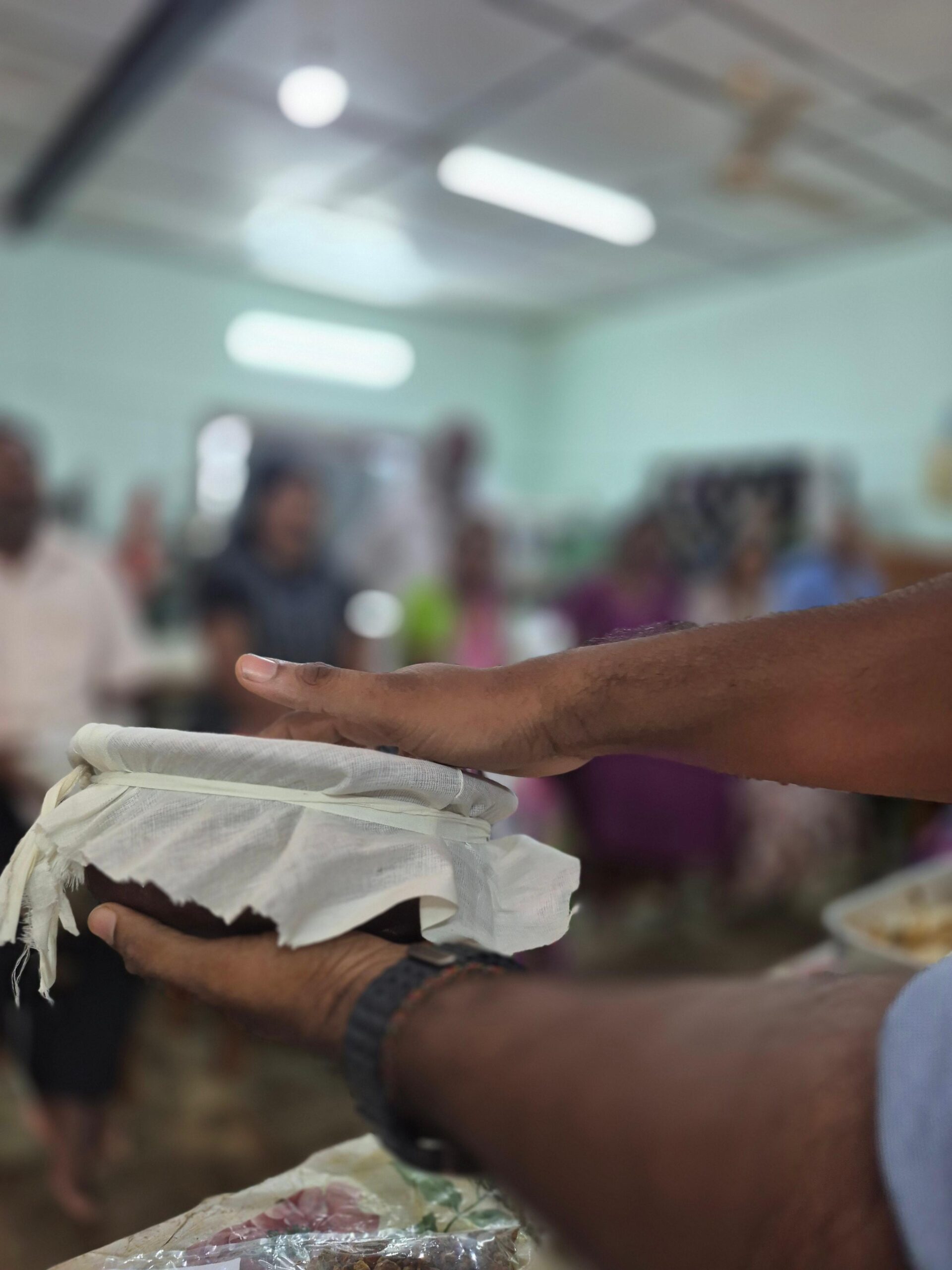
At the beginning of the practical session, the participating farmers were arranged in the Pharmacy Laboratory and introduced to the processed samples of ginger, turmeric and arrowroot flour. The farmers were first given an opportunity to observe and identify the already processed materials. They were encouraged to examine the appearance, quality, texture and odour of the processed products and compare them with materials commonly available in local shops.
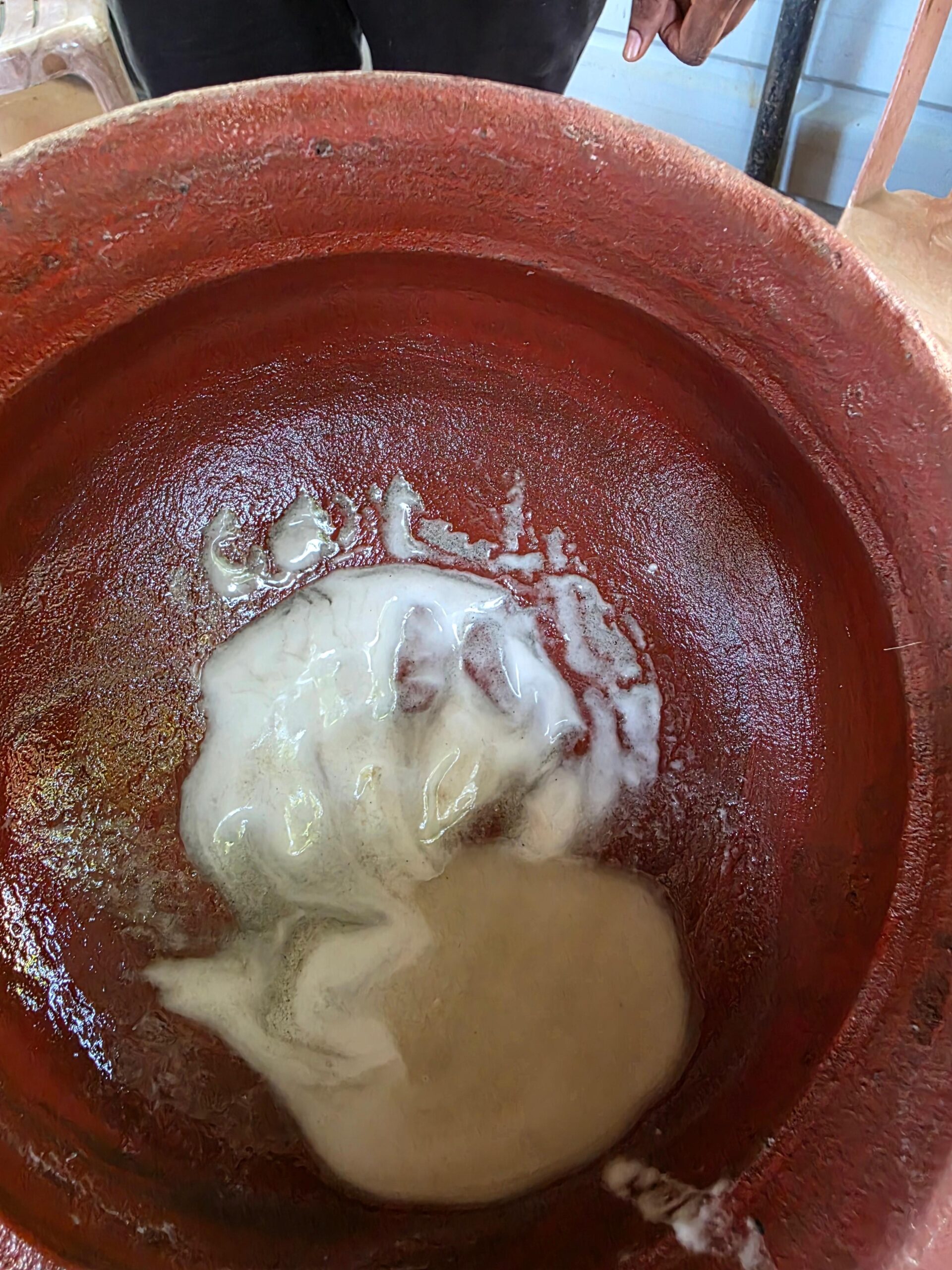
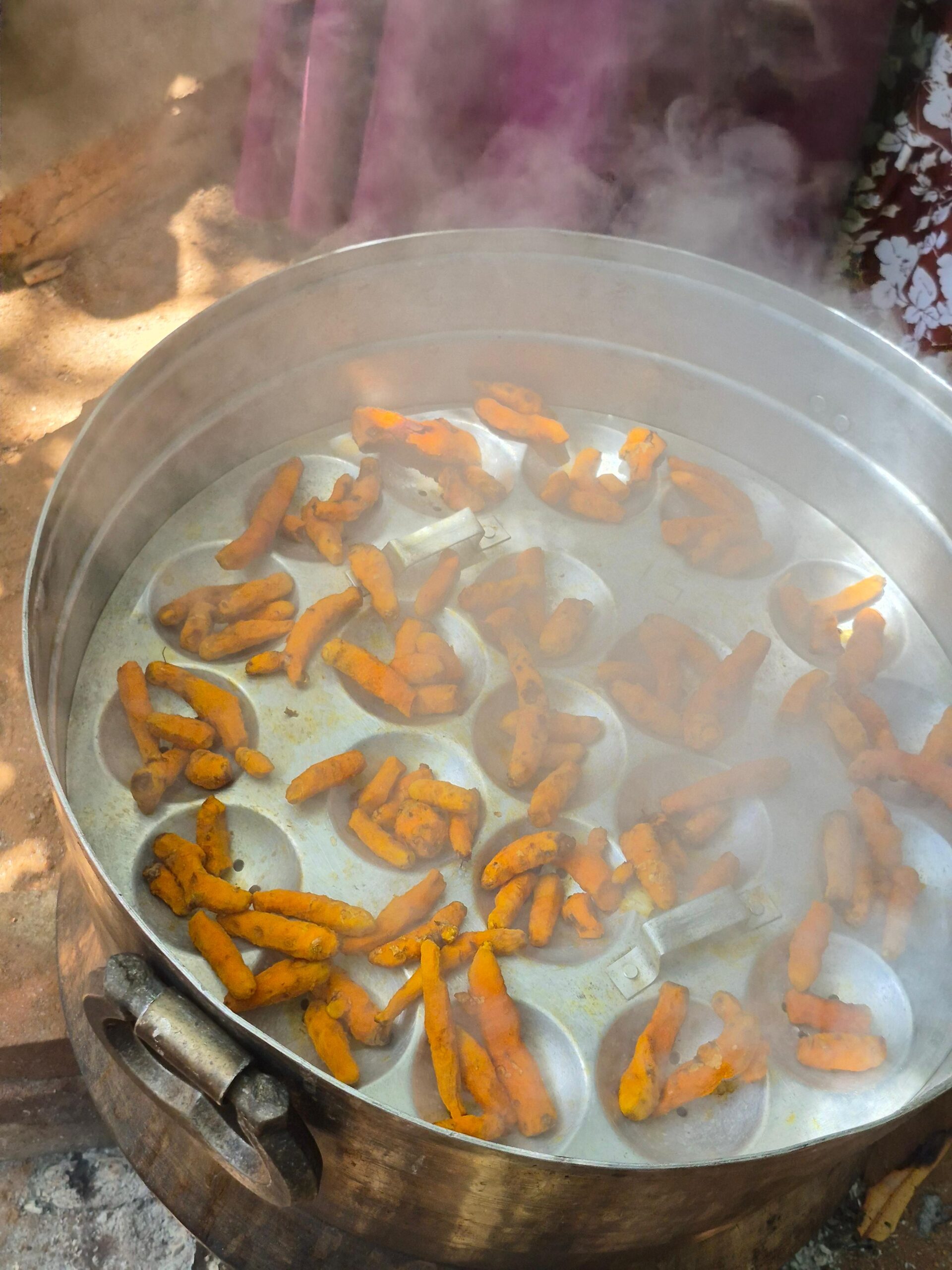
The farmers expressed that the products processed in the laboratory had better overall quality and a pleasant, distinct odour when compared with some locally available materials. They showed considerable interest in learning the processing methods used to obtain the improved-quality products. Following this initial observation and comparison, the practical processing methods were demonstrated step by step.
Hands-on Practical Participation
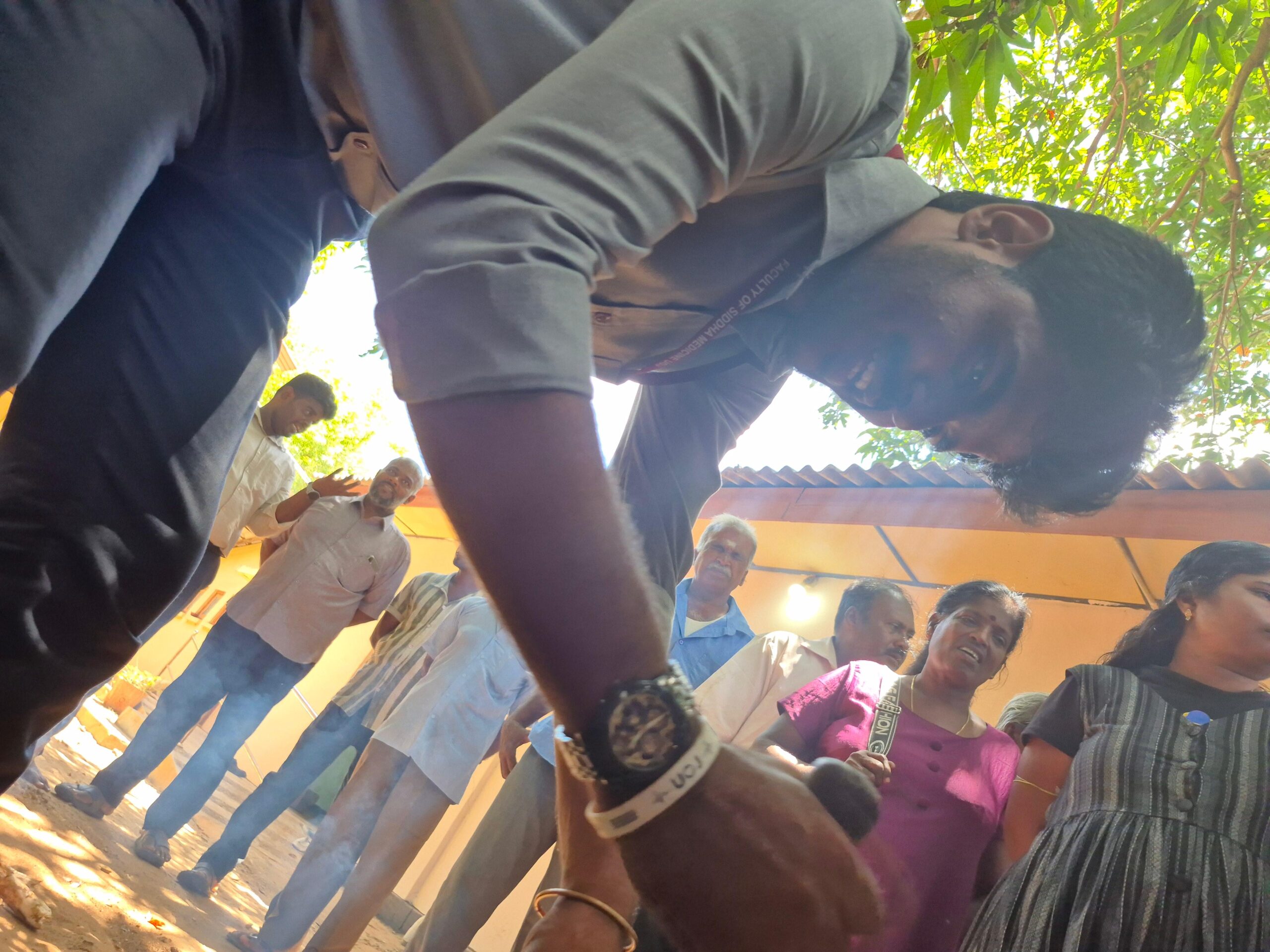
After each processing method was demonstrated, the farmers were invited to participate in the practical activities. This allowed them to become familiar with the actual procedures rather than only observing the demonstrations.
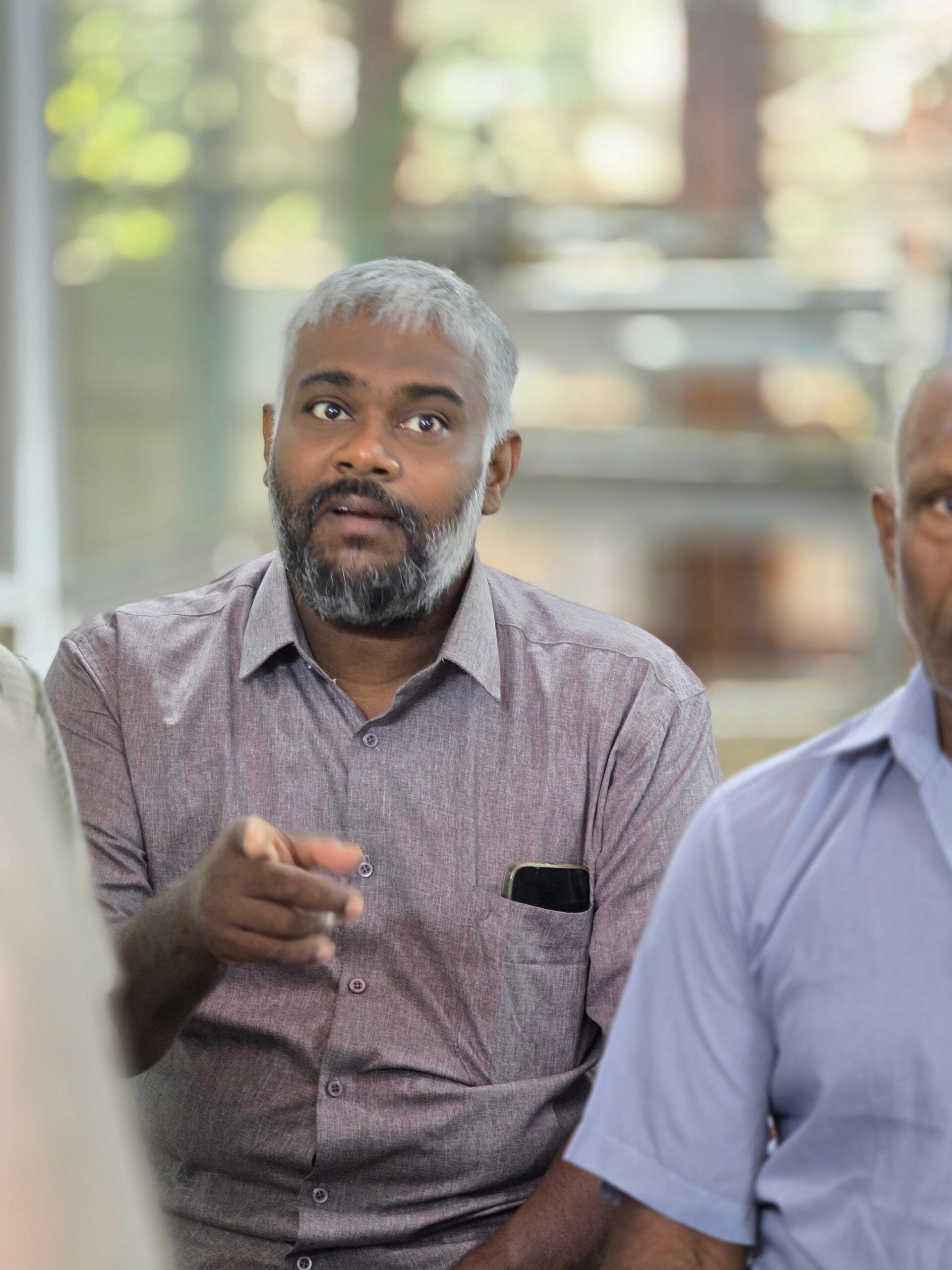
The practical demonstrations were conducted by the Temporary Demonstrator, Mr. M. Subaskar, together with Mr. S. Barathkirushna, 40th BSMS student. The 40th and 41st BSMS students actively participated throughout the session and assisted in demonstrating the practical procedures to the farmers under the guidance and support of the Department of Gunapadam Demonstrators.
The farmers were given opportunities to handle the raw materials, observe the processing techniques and participate in the relevant steps. Their questions and doubts regarding processing, drying, quality and preservation were addressed during the practical session.
Display of Final Products
After completion of the practical demonstrations, the final processed products of ginger, turmeric and arrowroot flour were collected and displayed for the farmers.
The farmers were again given the opportunity to observe the processed products and compare their quality and odour with materials available in local shops. They were highly impressed with the quality and pleasant odour of the products prepared through the demonstrated processing methods.
Farmers’ Feedback
The participating farmers provided very positive feedback regarding the practical session. They expressed that the demonstration was useful, informative and easy to understand. They particularly appreciated the opportunity to observe and participate in the processing methods directly.
The farmers also raised several questions regarding the practical procedures, and appropriate explanations were provided by the demonstrators and students. They expressed their interest in applying the knowledge gained during the programme and requested that similar practical programmes be conducted in the future.
The positive response from the farmers indicated that the practical demonstration successfully improved their understanding of the proper processing, quality improvement and preservation of medicinal raw materials.
Conclusion
The practical demonstration of processing of raw materials held at the Pharmacy Laboratory was successfully completed. The session provided the participating farmers with practical knowledge on the processing of turmeric, ginger and arrowroot and enabled them to understand the importance of proper processing and drying in obtaining good-quality medicinal raw materials.
The active participation of the farmers, 40th and 41st BSMS students, and Department of Gunapadam Demonstrators contributed greatly to the success of the session. The farmers’ positive comments and request for similar programmes in the future demonstrated the usefulness and practical value of the activity.
The practical session concluded successfully at 12.30 p.m.