Medicinal Uses of Herbs to Enhance the Health and Well-being of Older Adults
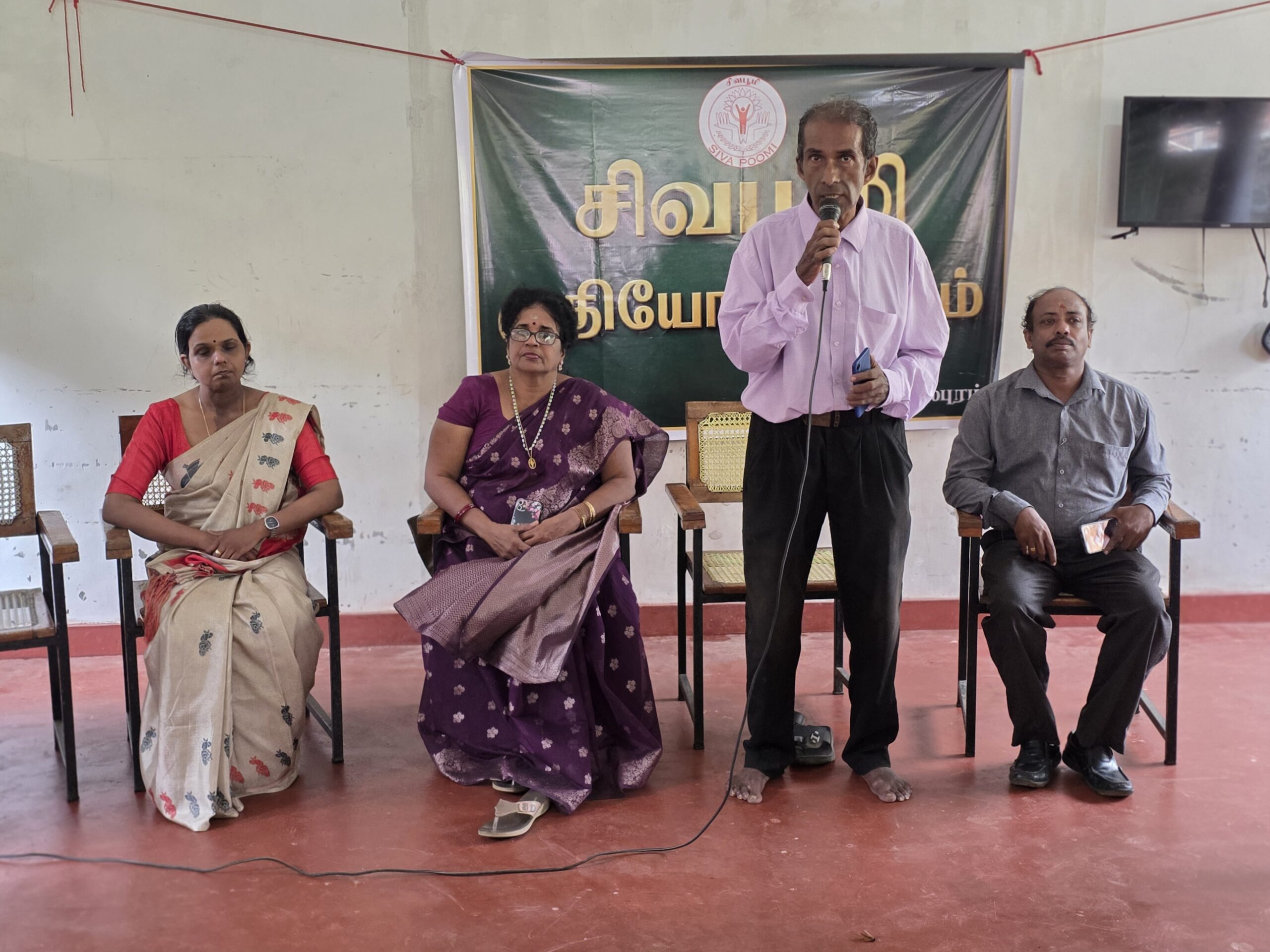
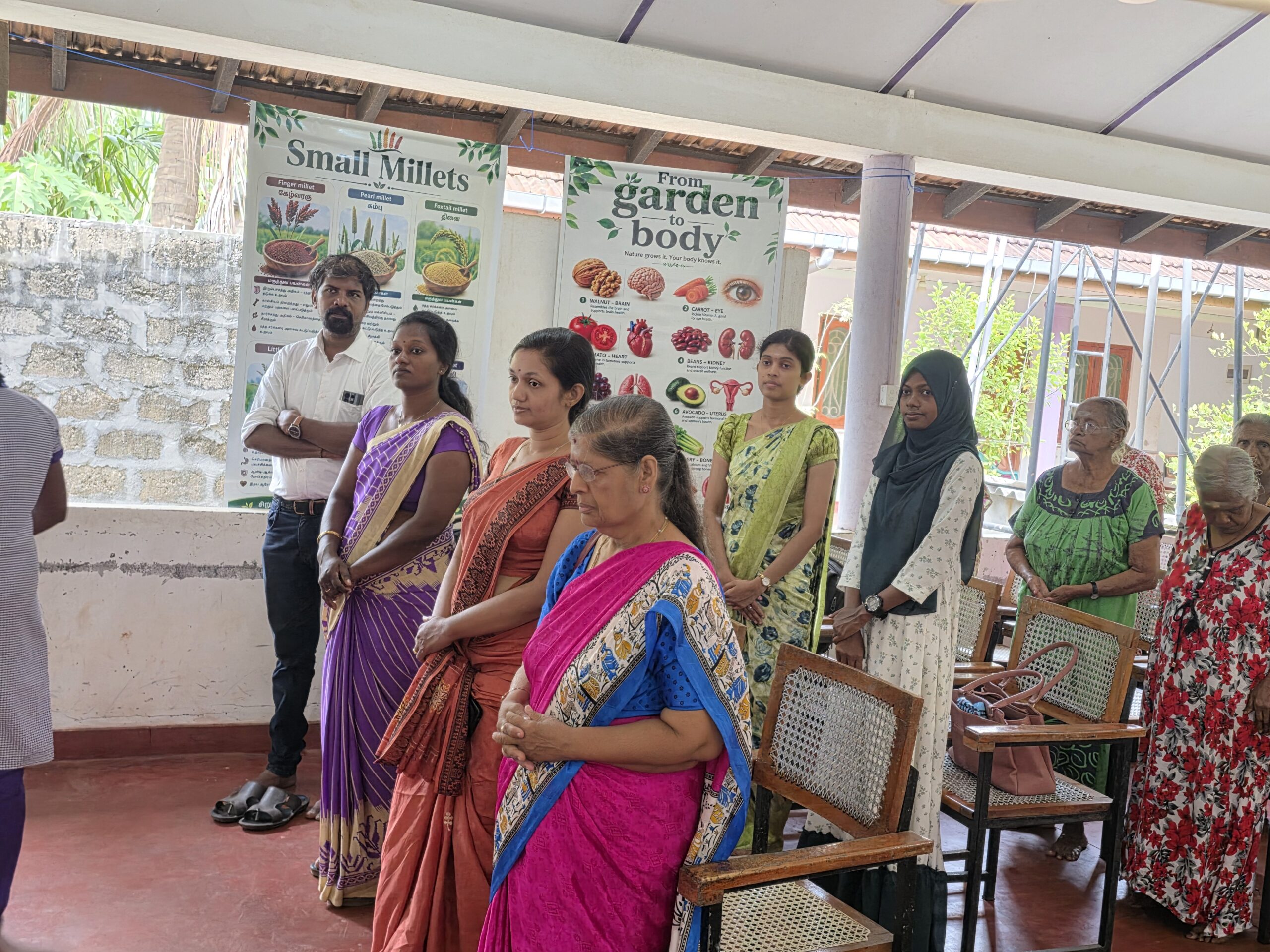
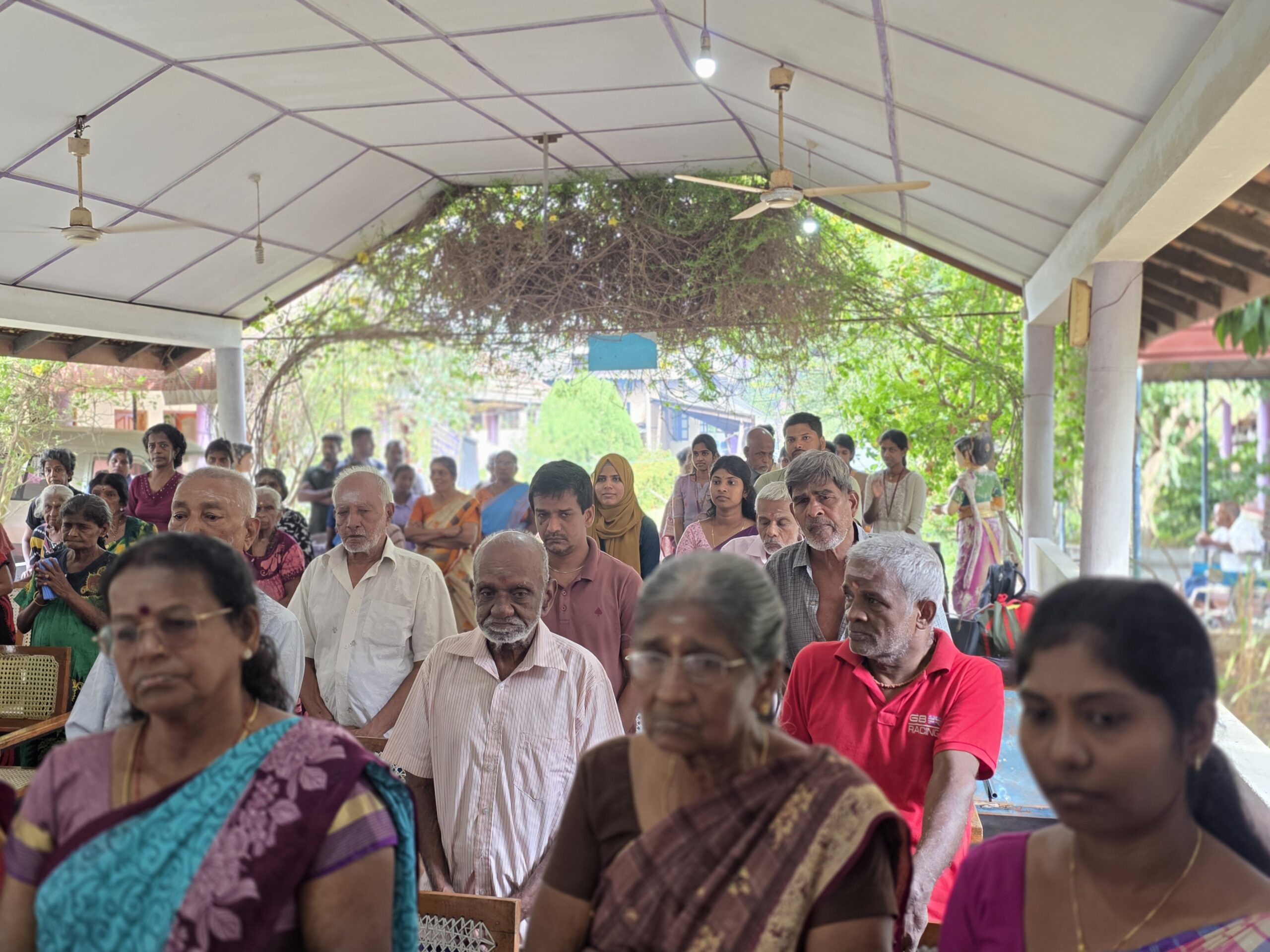
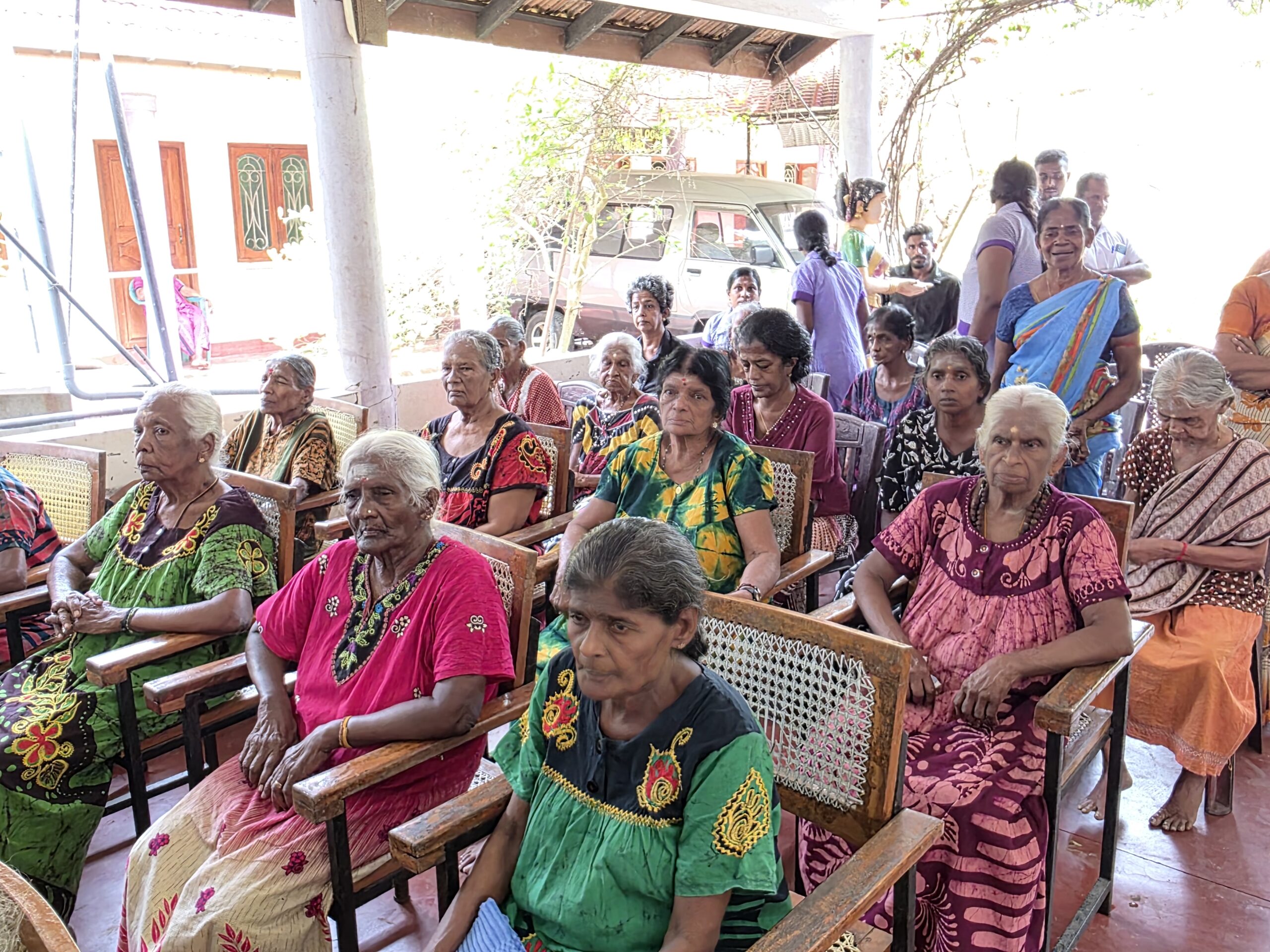
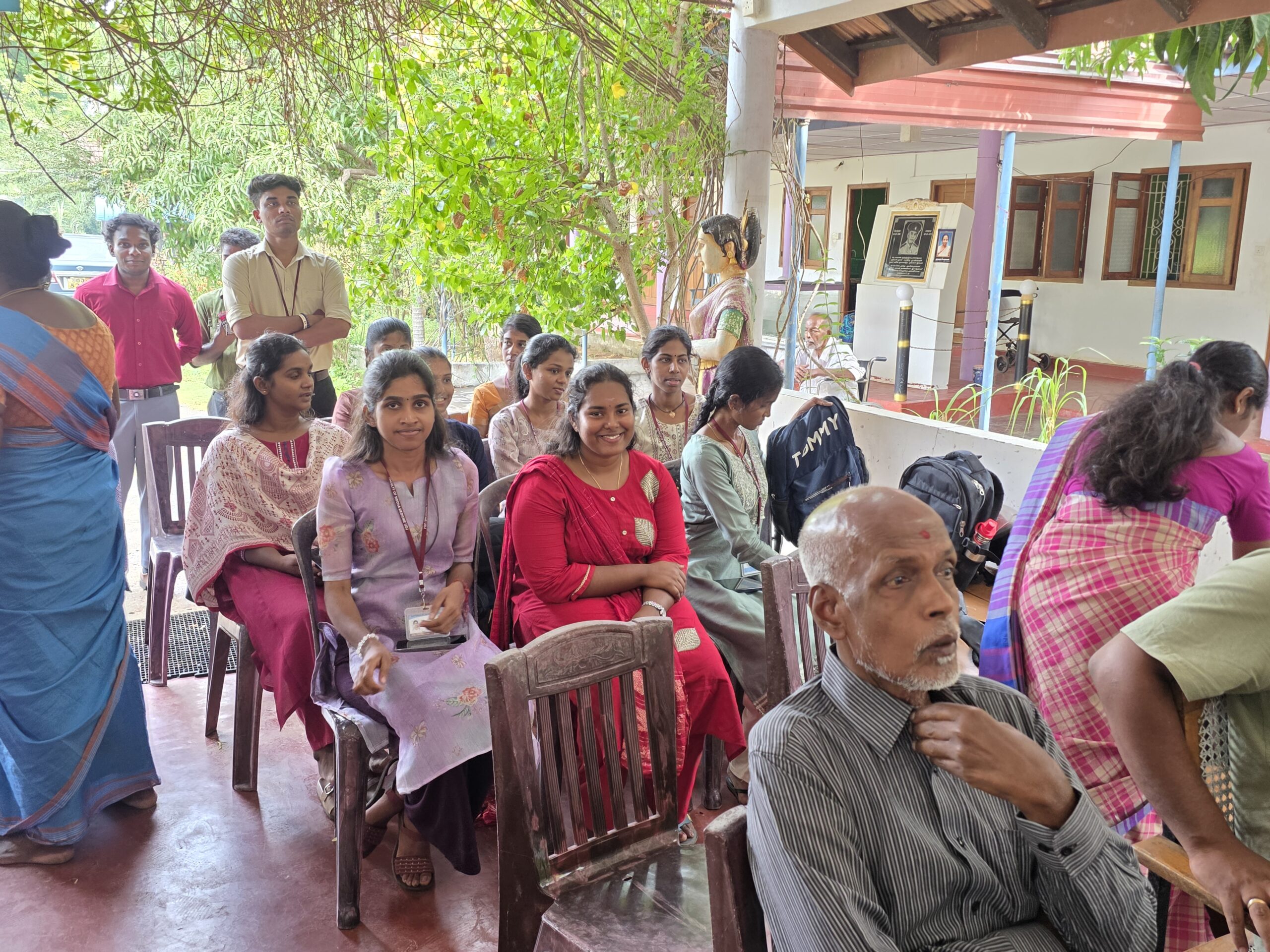
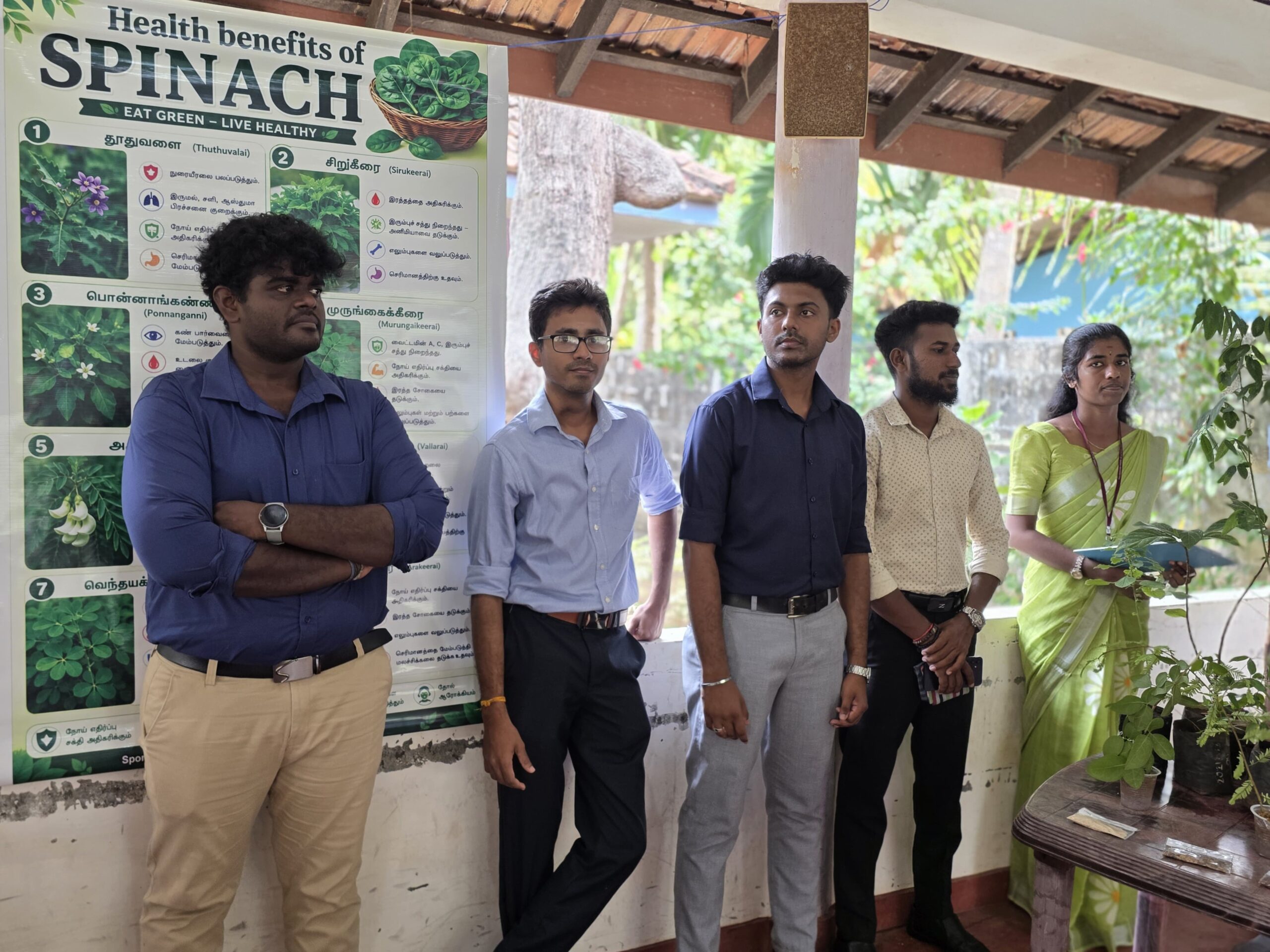
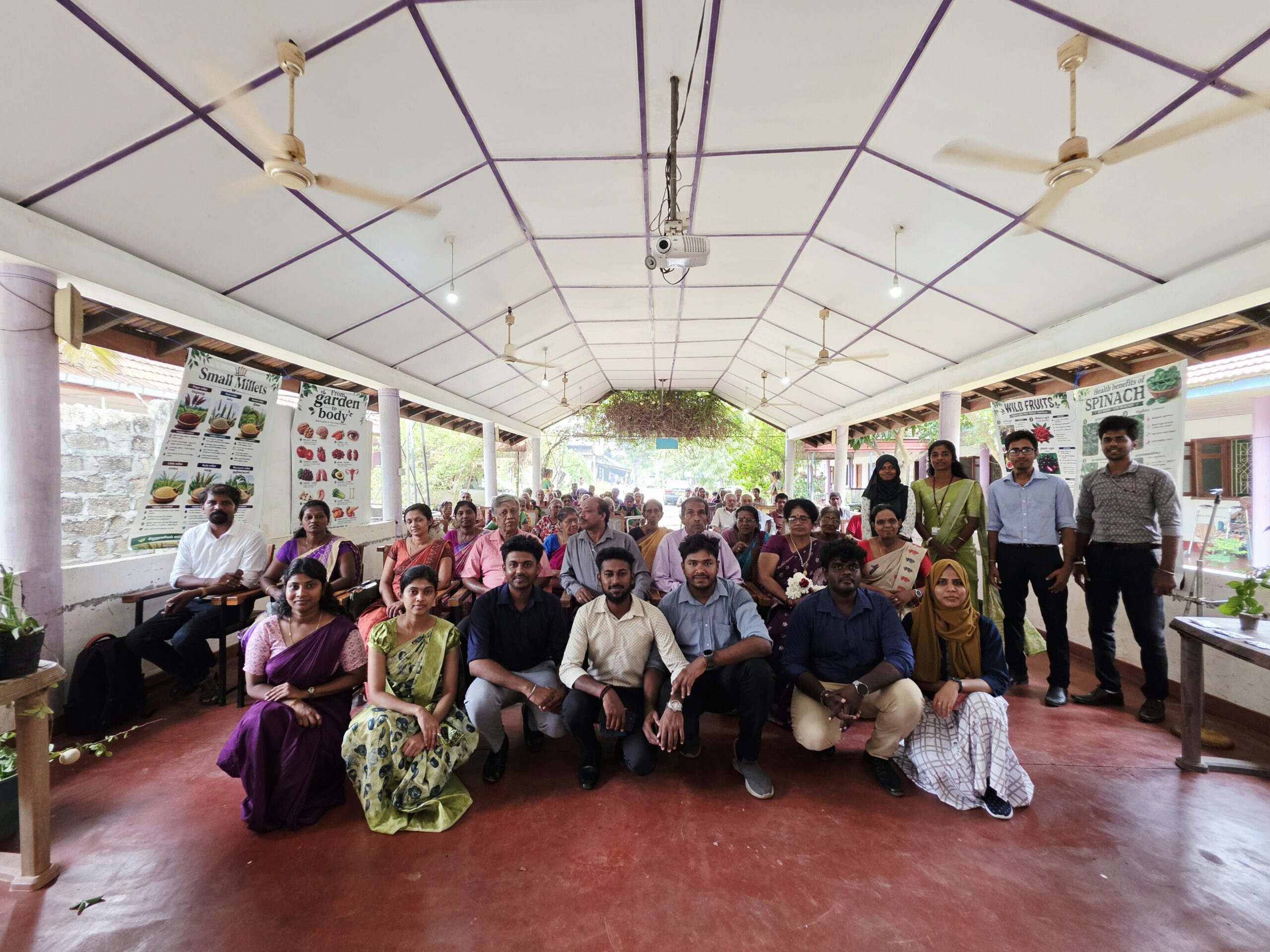
The Department of Gunapadam, Faculty of Siddha Medicine, University of Jaffna, conducted a community outreach programme on “Medicinal Uses of Herbs to Enhance the Health and Well-being of Older Adults” at Tholpuram Elders' Home on 6 August 2026 from 8.30 a.m. to 12.00p.m. The programme was organized at the request of the Ayurveda Conservation Board of the Valikamam West Divisional Secretariat Office with the objective of promoting healthy ageing through traditional Siddha knowledge and strengthening community engagement. The programme was attended by the Dean of the Faculty of Siddha Medicine, the Head of the Department of Gunapadam, Community Medical Officers, Temporary Demonstrators from the Department of Gunapadam, 40 th and 41 st batch BSMS students, and forty-five older adults residing at the elders’ home.
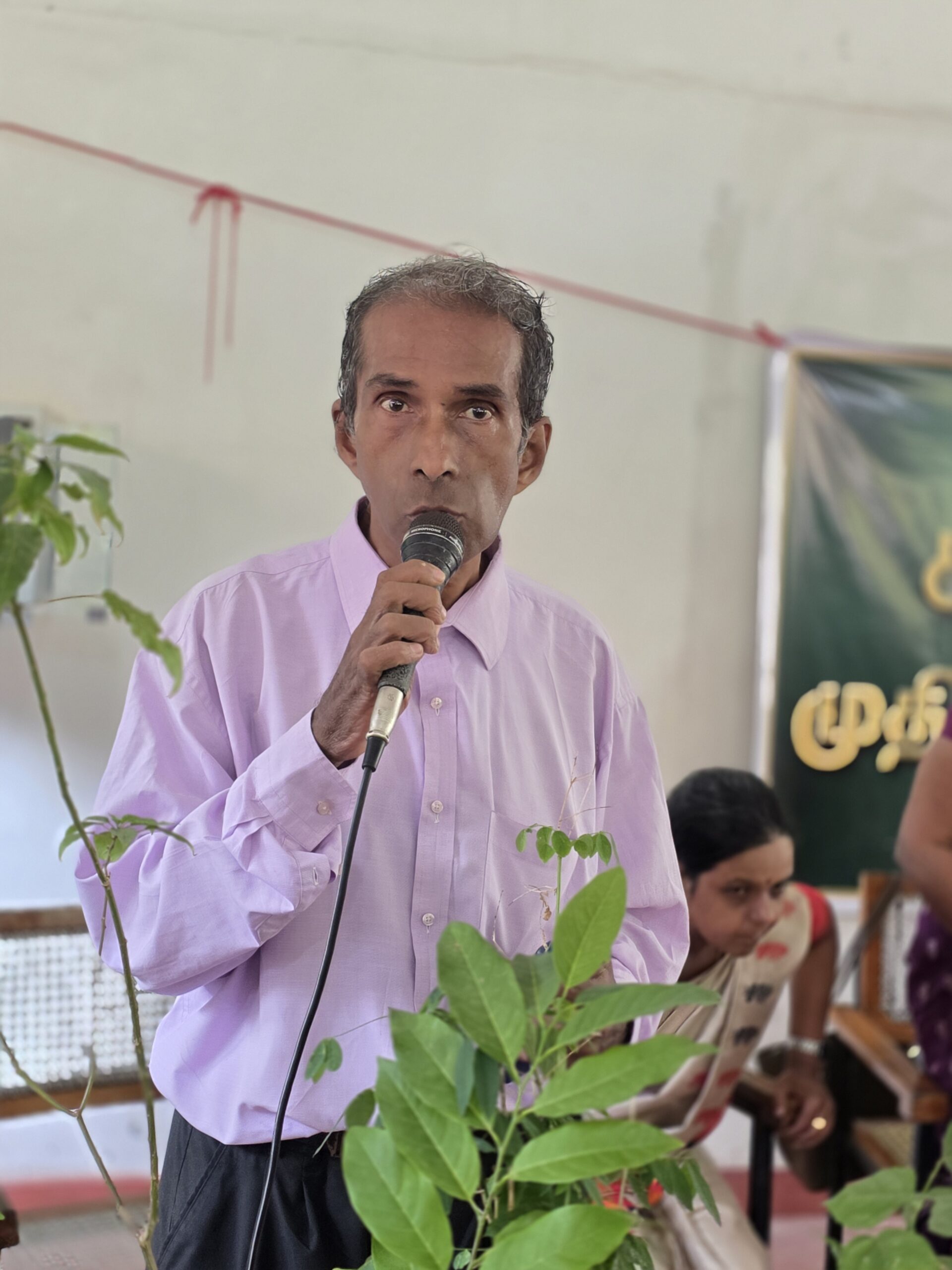
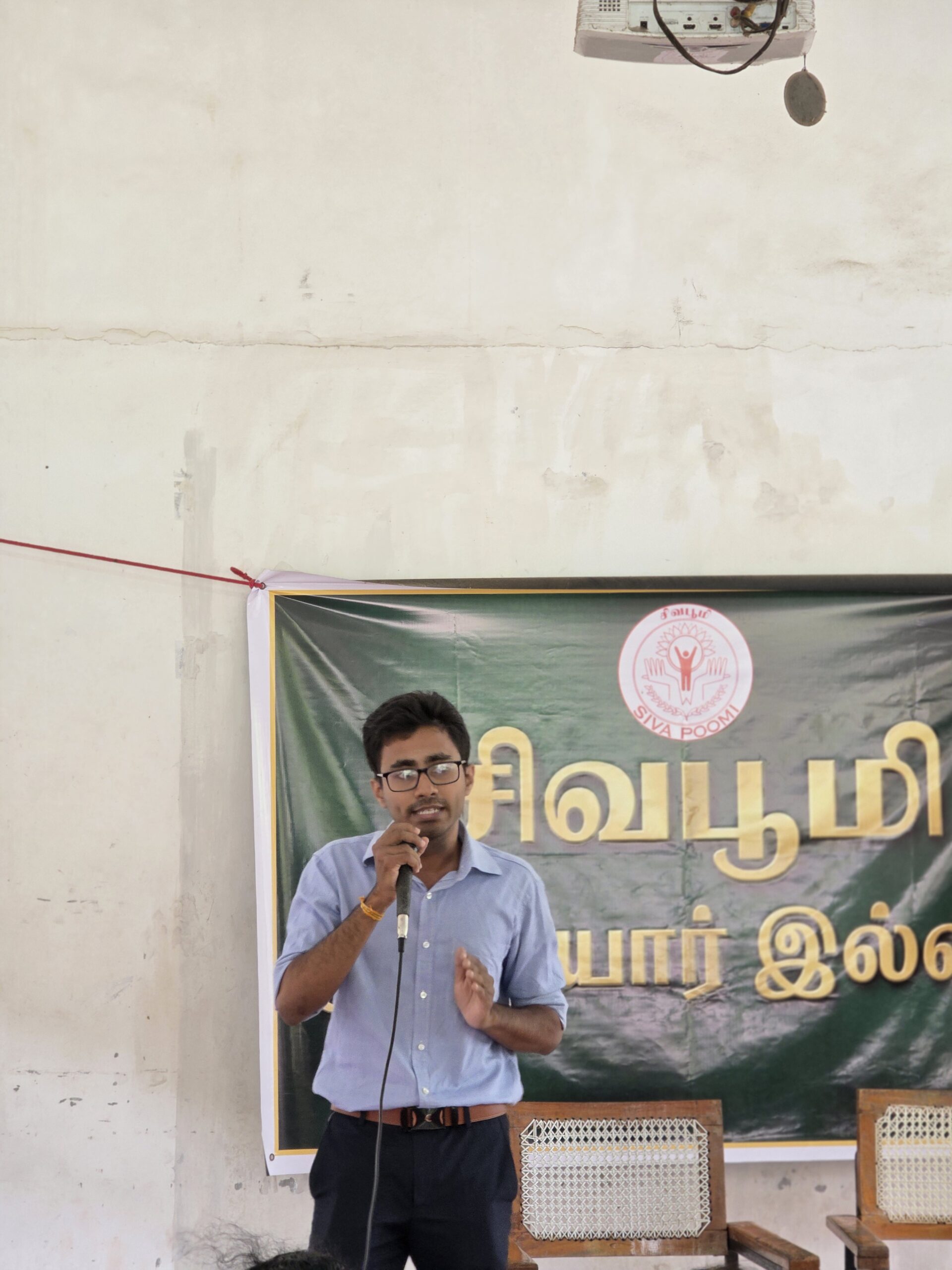
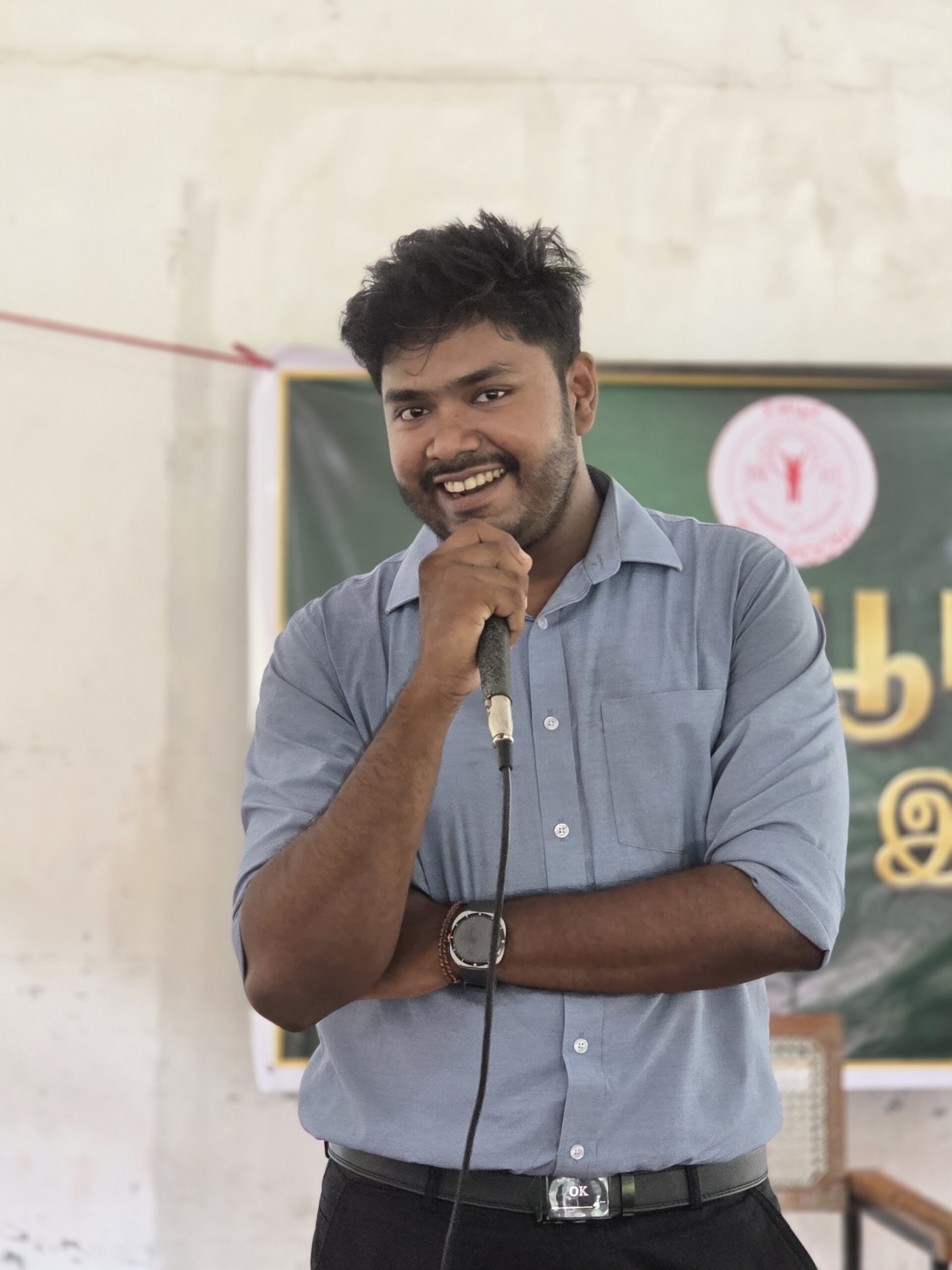
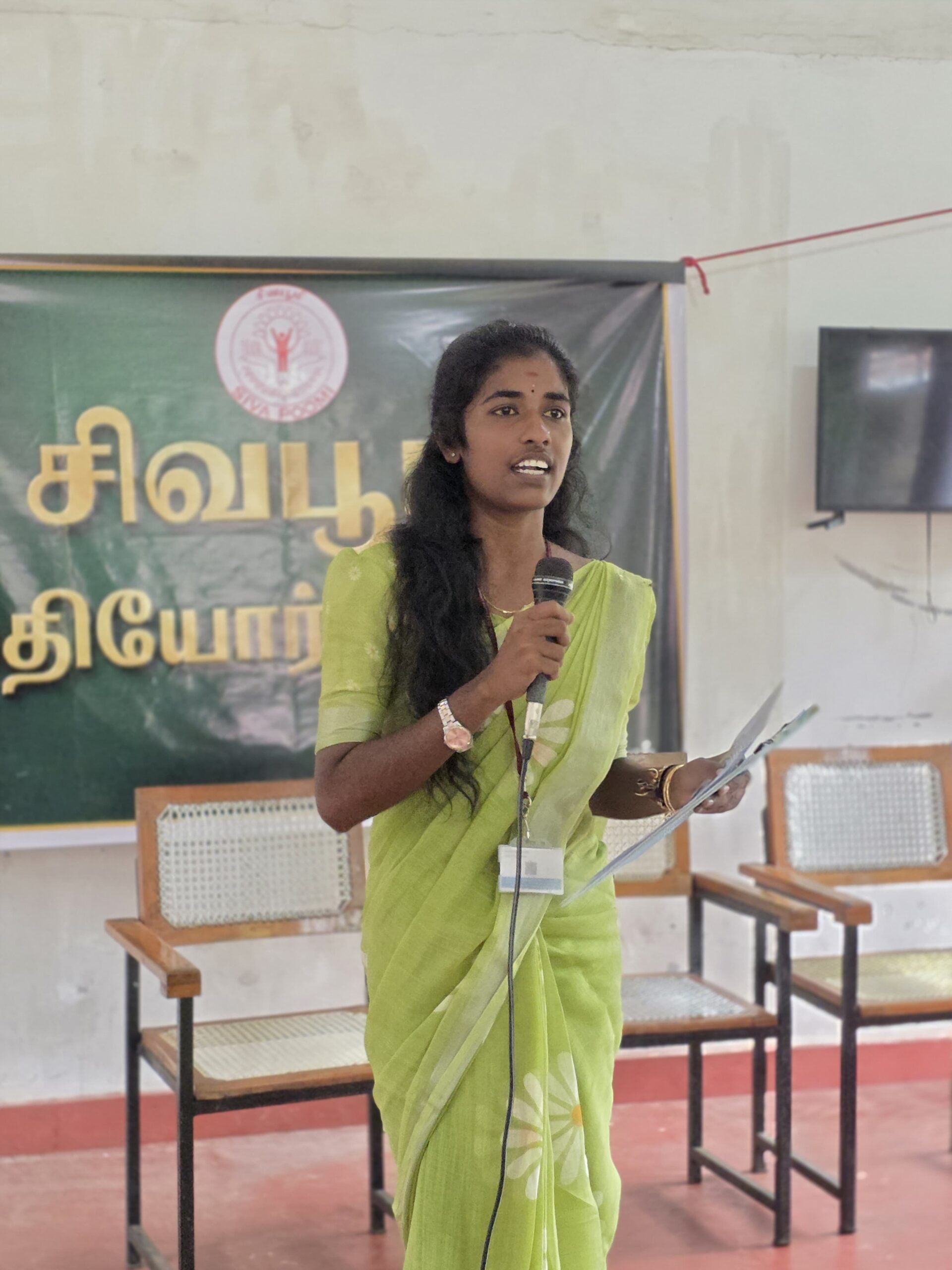
The programme commenced at 8.30 a.m. with a welcome address delivered by the Chief Medical Officer, Mr. Shaktivel, who warmly welcomed the participants and introduced the Dean, the Head of the Department, faculty members, and university students to the residents. The formal proceedings began with Siddhar Vanakkam, creating a respectful and traditional atmosphere.
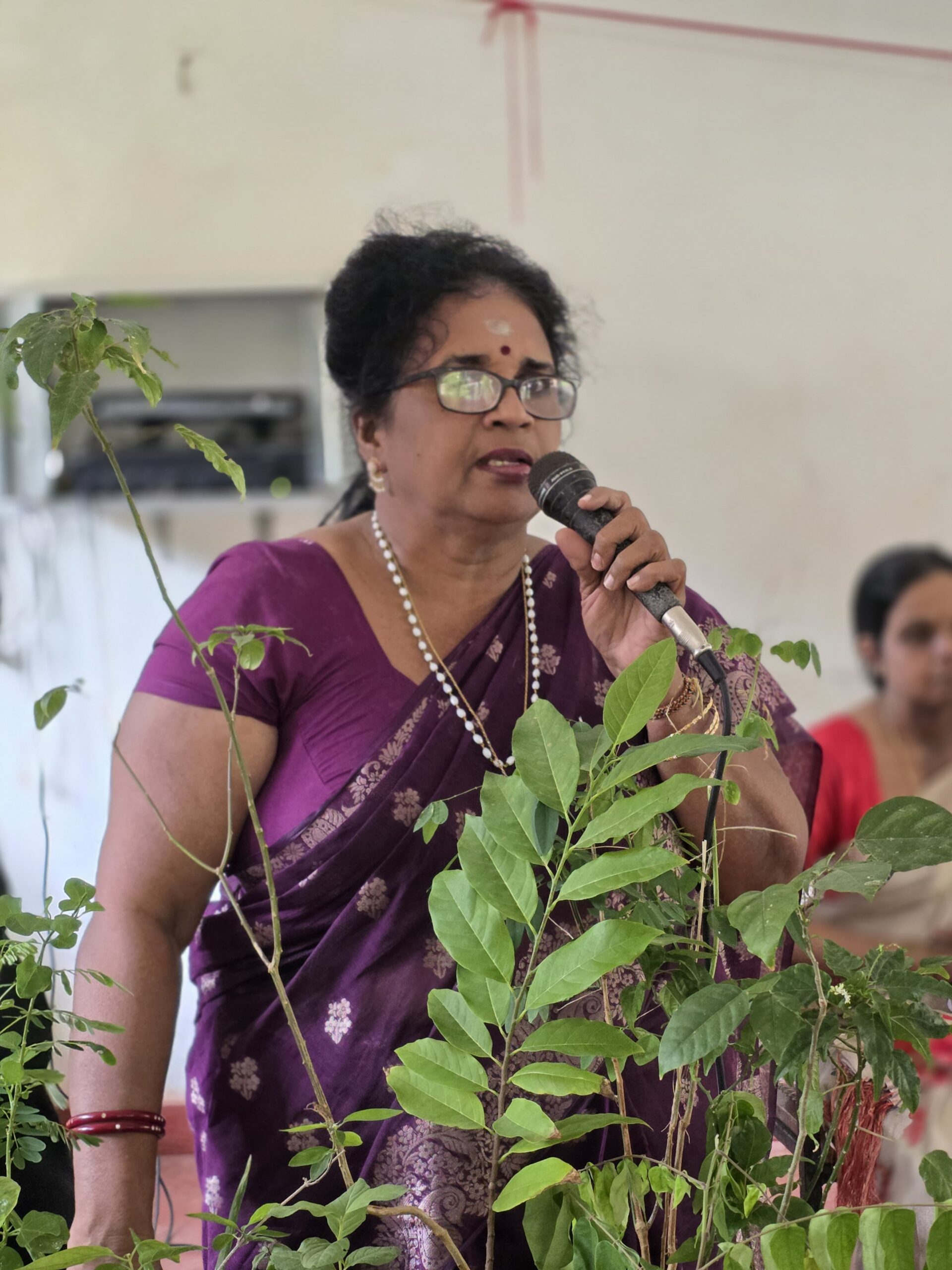
The inaugural address was delivered by chief guest, Dr. (Mrs.) V. Sathiyaseelan, Dean, Faculty of Siddha Medicine, University of Jaffna. In her address, she emphasized the importance of maintaining a healthy lifestyle through the preservation of traditional health practices. She highlighted that many valuable indigenous health traditions are gradually disappearing among younger generations and described older adults as the “home doctors” of the family because of their wealth of traditional knowledge and experience. She further explained the significance of maintaining an Anjanapetti, a traditional household collection of aromatic medicinal substances that supports health promotion and disease prevention.
The Dean also created awareness about common health issues affecting older adults, including vitamin D deficiency, constipation, and anaemia, while discussing simple traditional approaches for their prevention and management. She stressed the importance of preventing both communicable and non-communicable diseases through healthy lifestyle practices. In addition, she explained Siddha dietary principles that contribute to disease prevention and health promotion, encouraging the regular consumption of fibre-rich foods, small millets, rice water, fresh vegetables, and fruits. She concluded by highlighting the importance of mental relaxation, emotional well-being, and maintaining a positive outlook as essential components of healthy ageing.
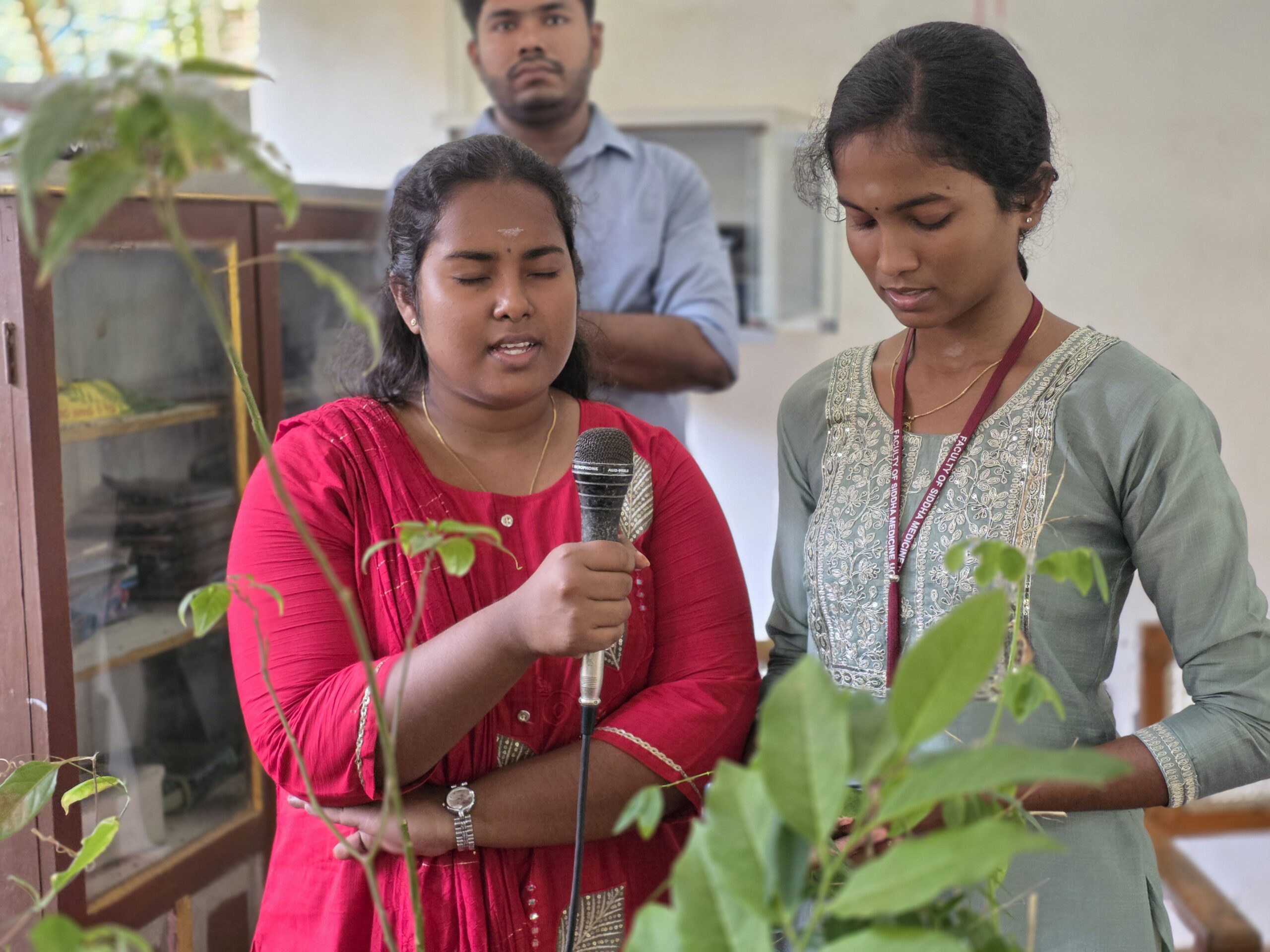
Following the inaugural session, educational activities were conducted by students of the 40th and 41st BSMS batches under the supervision of Dr. (Mrs.) V. Sathiyaseelan and Dr. (Mrs.) V.M. Prasad, and under the guidance of the Temporary Demonstrators of the Department of Gunapadam. The students introduced six varieties of small millets, explaining their nutritional composition and their role in preventing lifestyle-related diseases. Another student group demonstrated healthy herbal alternatives to regular tea, including Nannari tea, Kakkanavan flower tea, Avarampoo tea, and other traditional herbal beverages, highlighting their medicinal properties and health benefits.
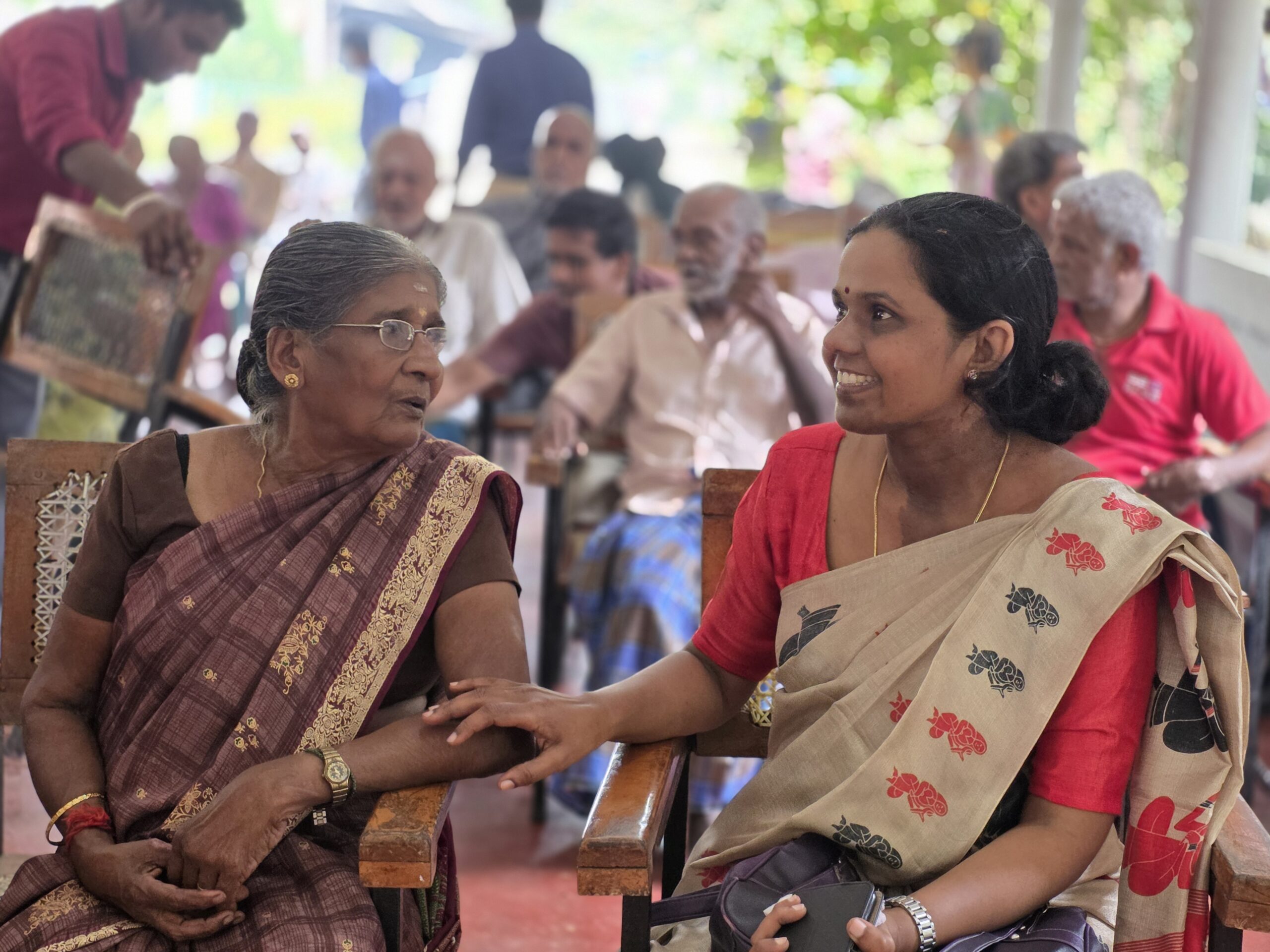
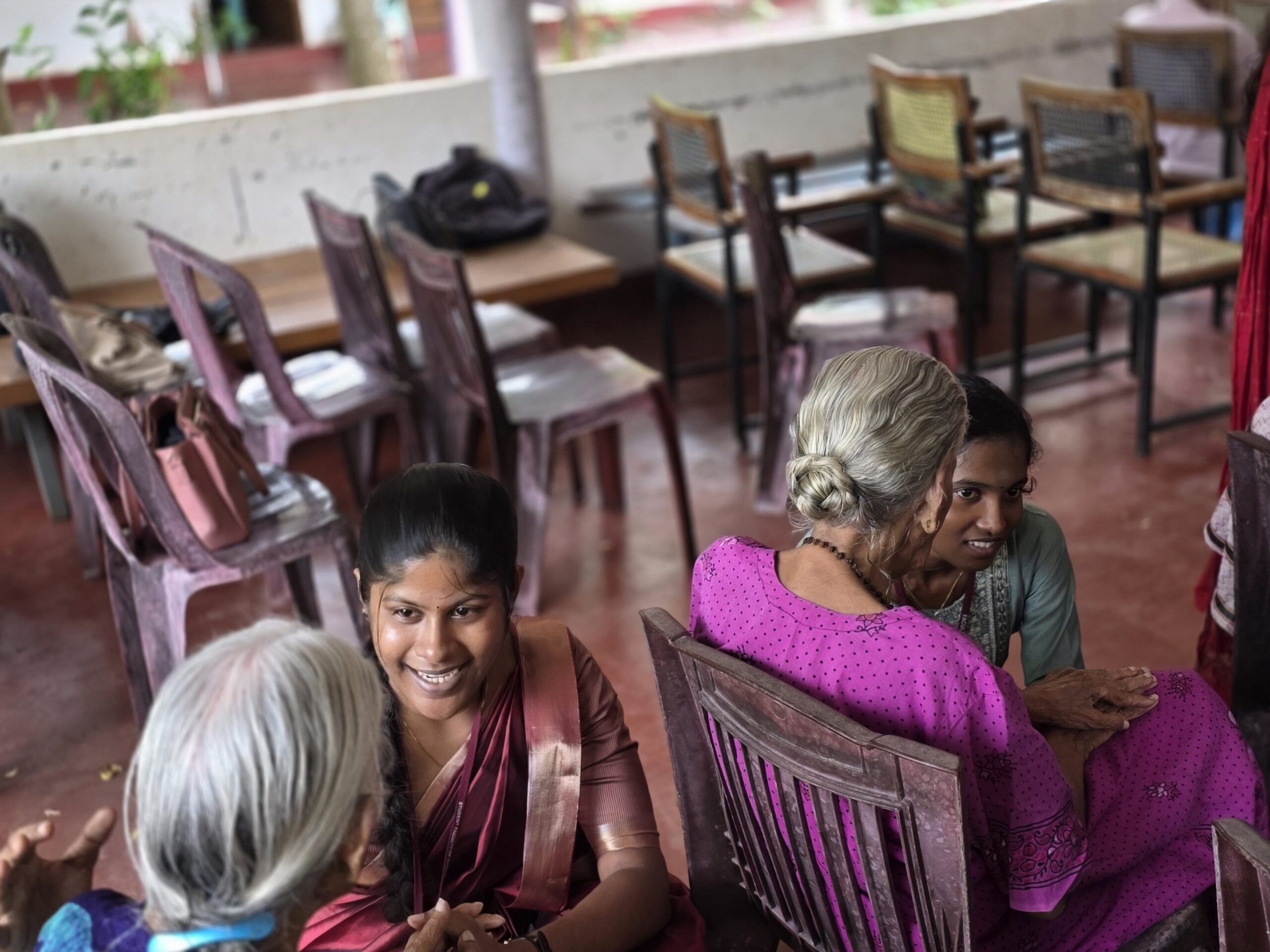
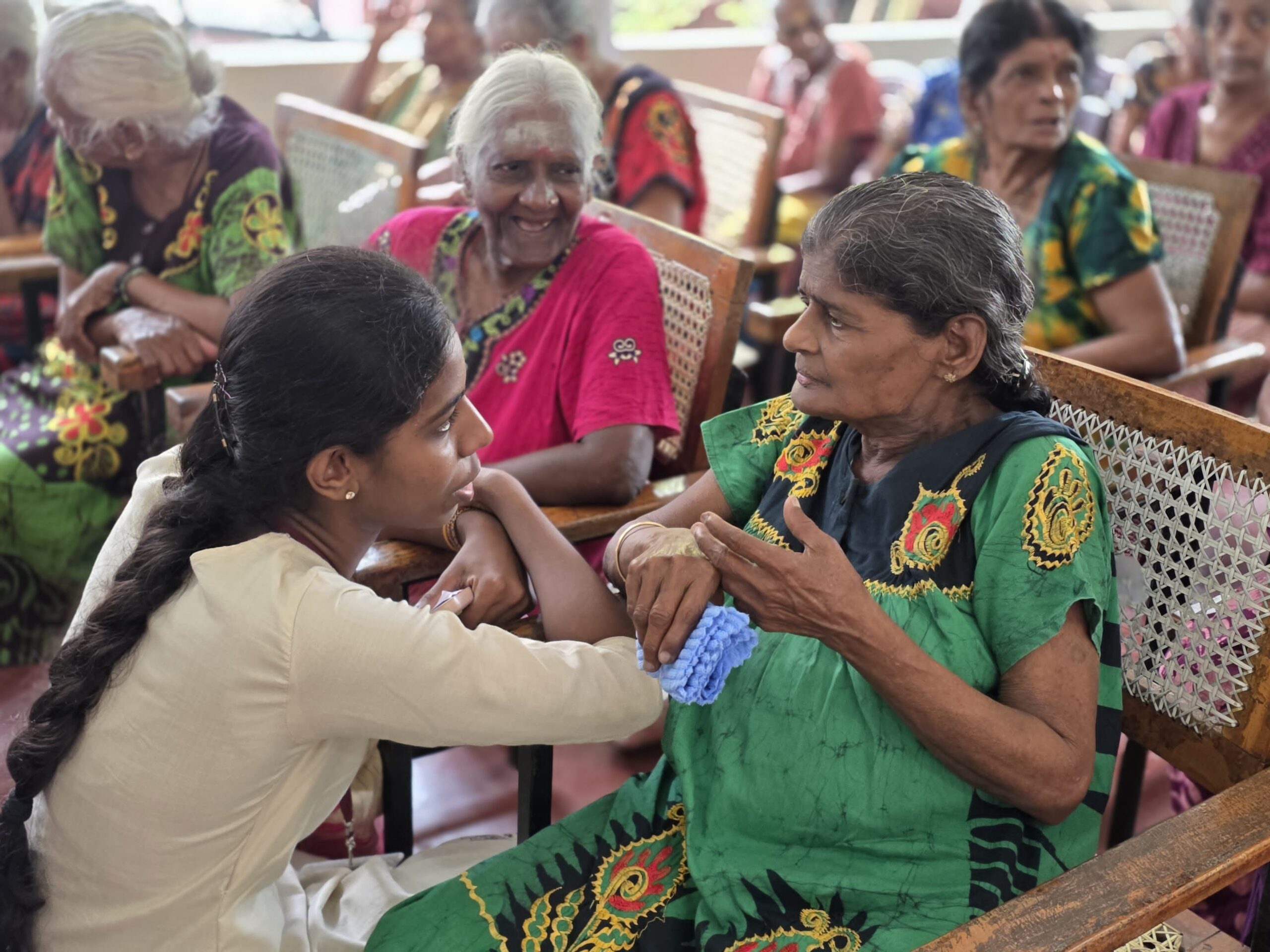
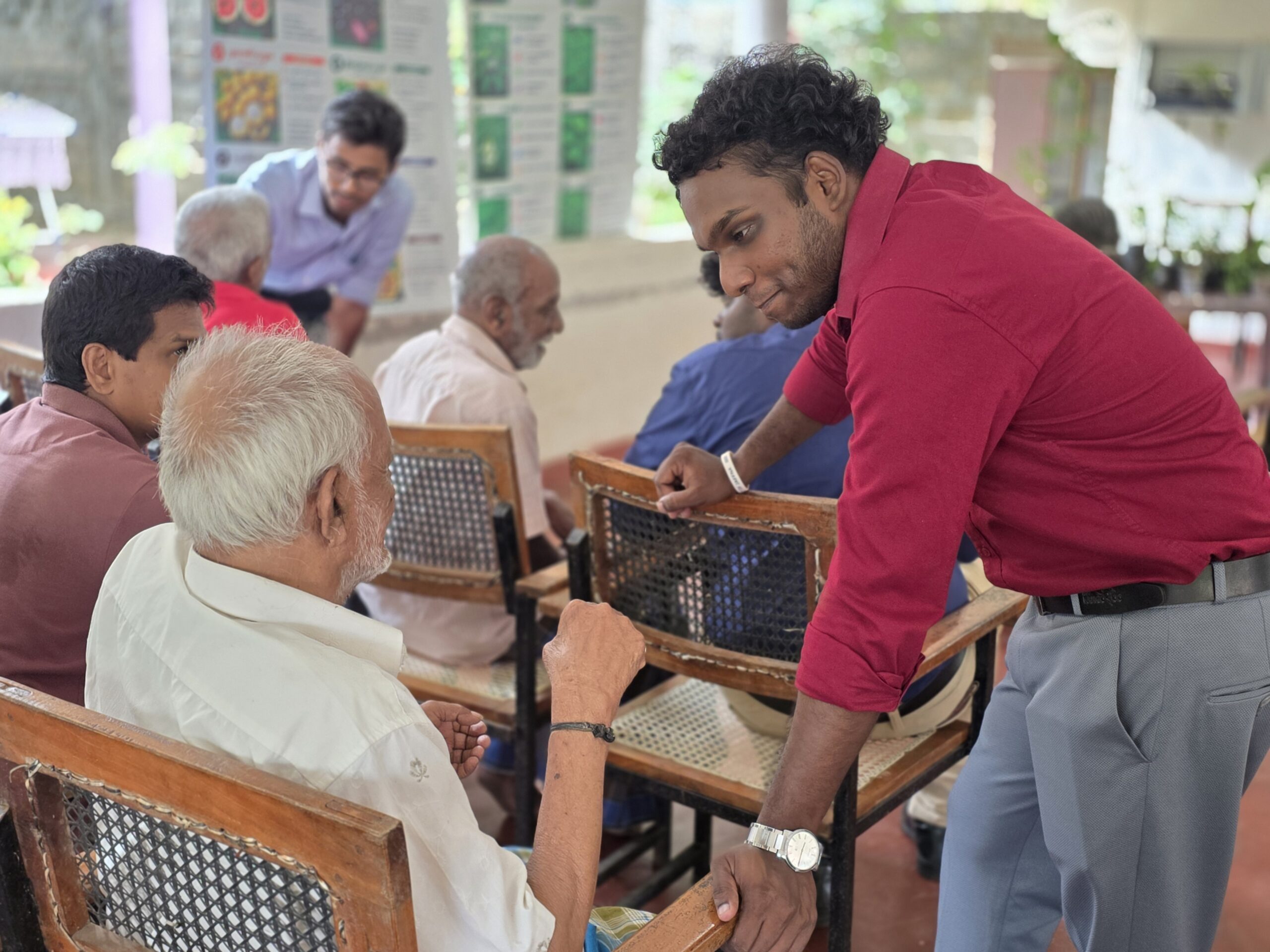
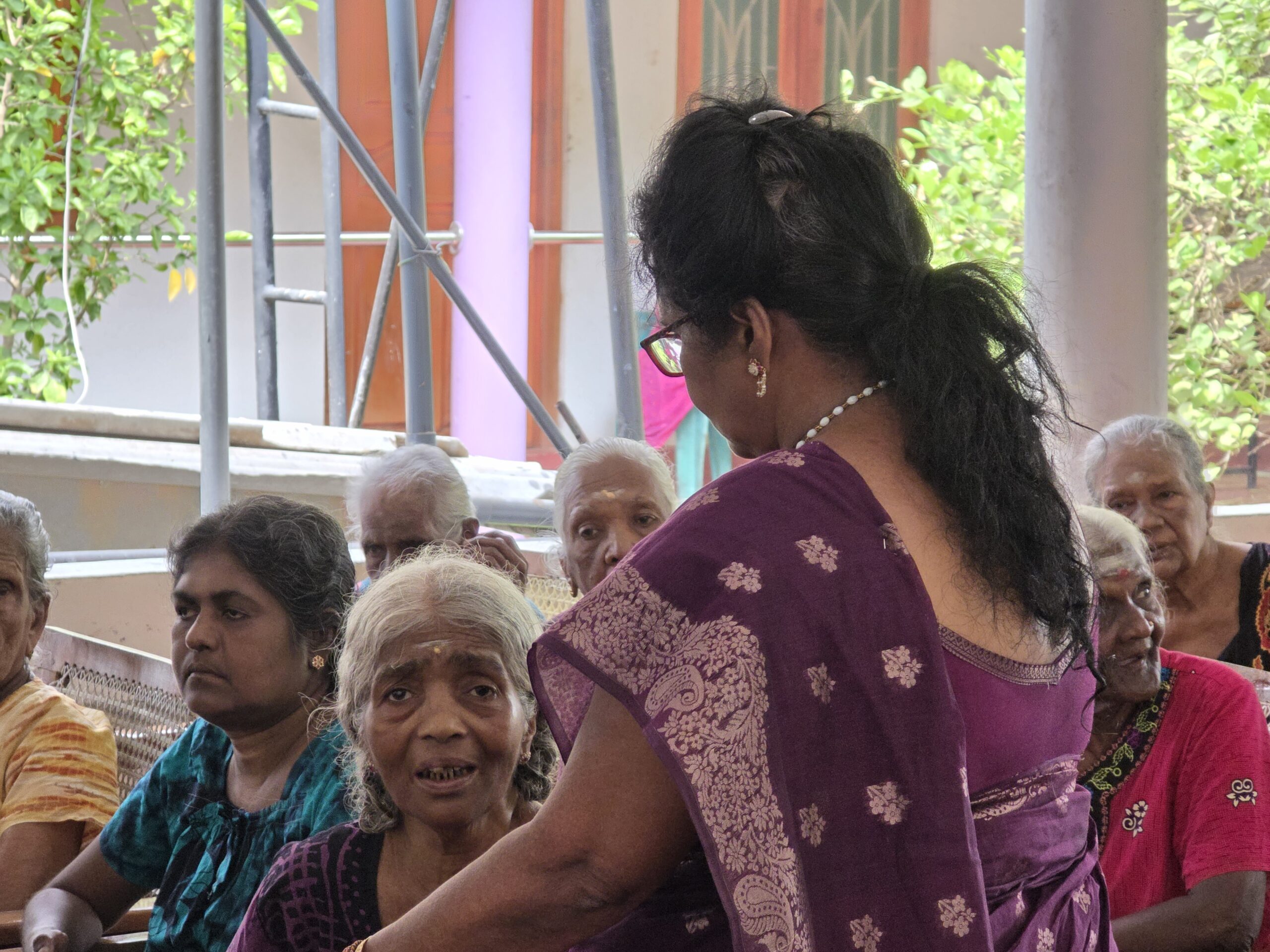
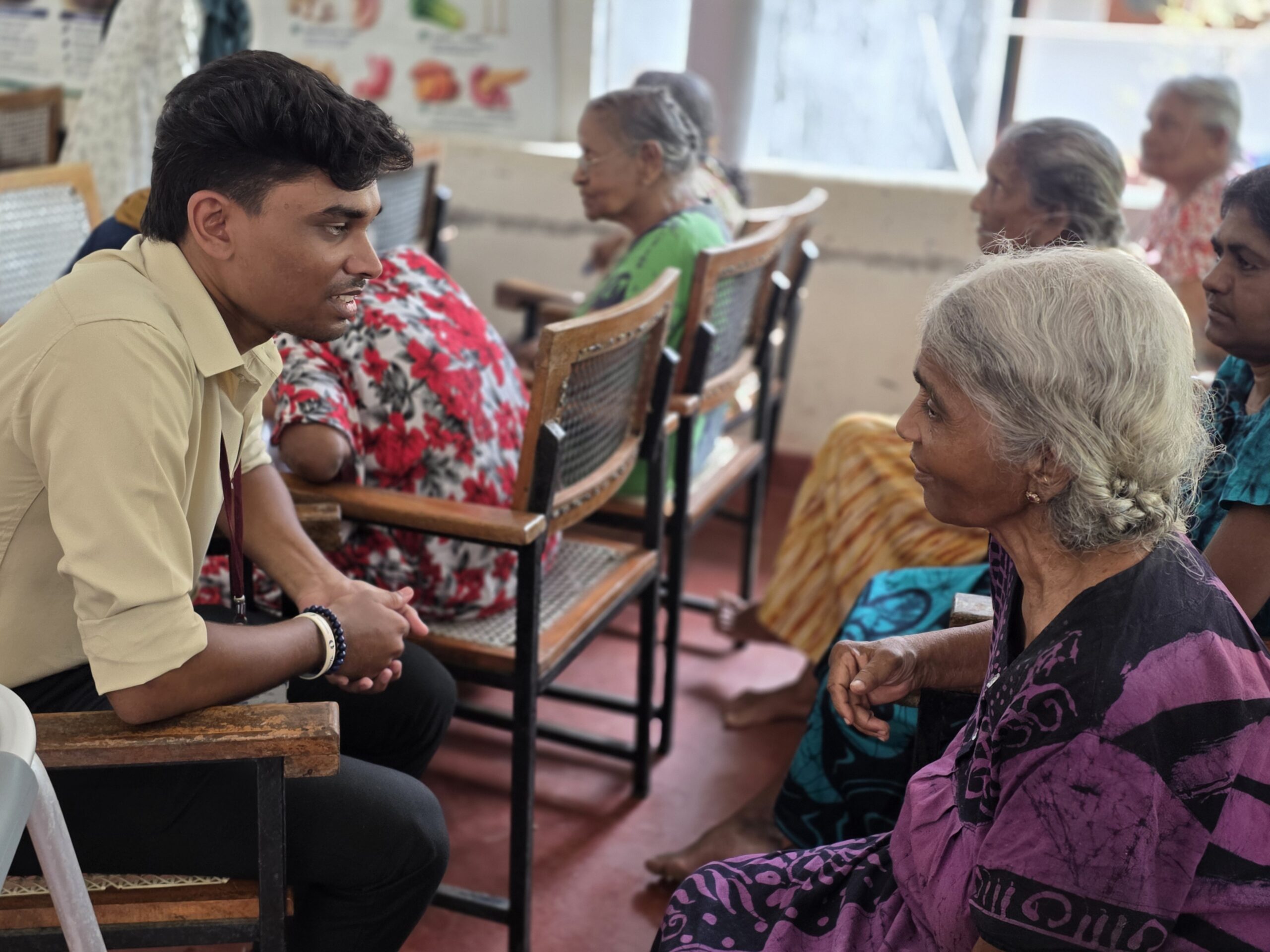
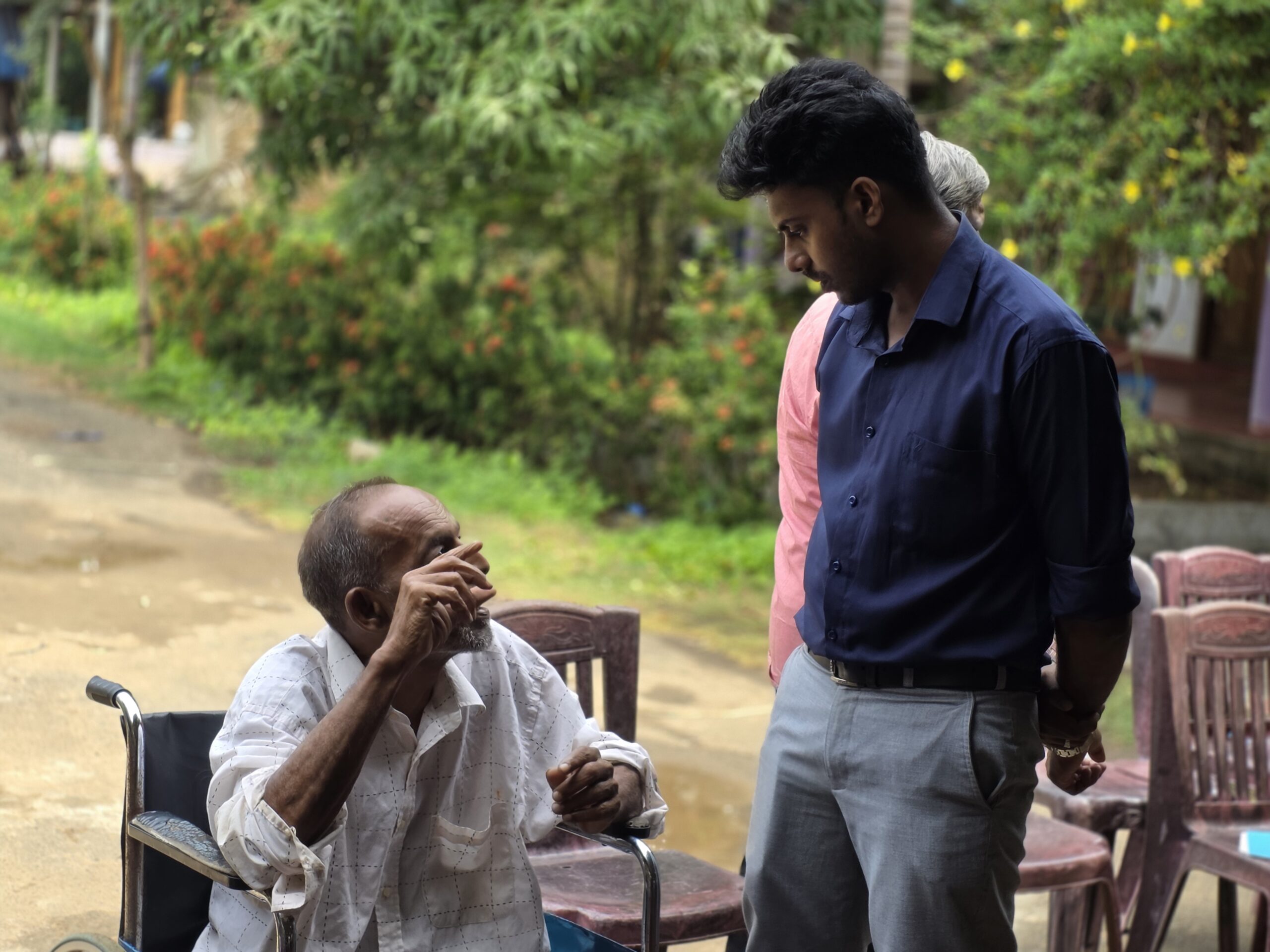
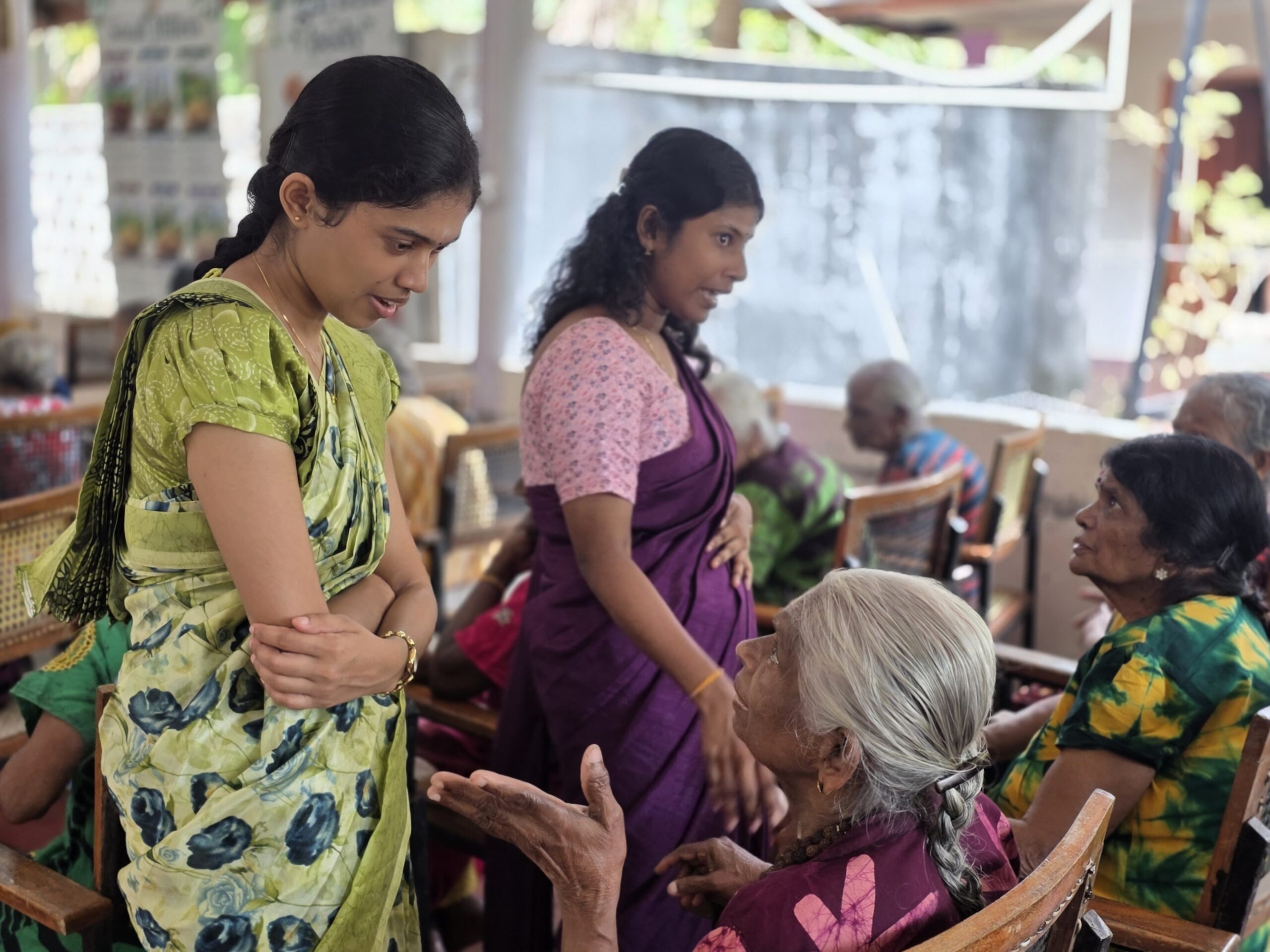
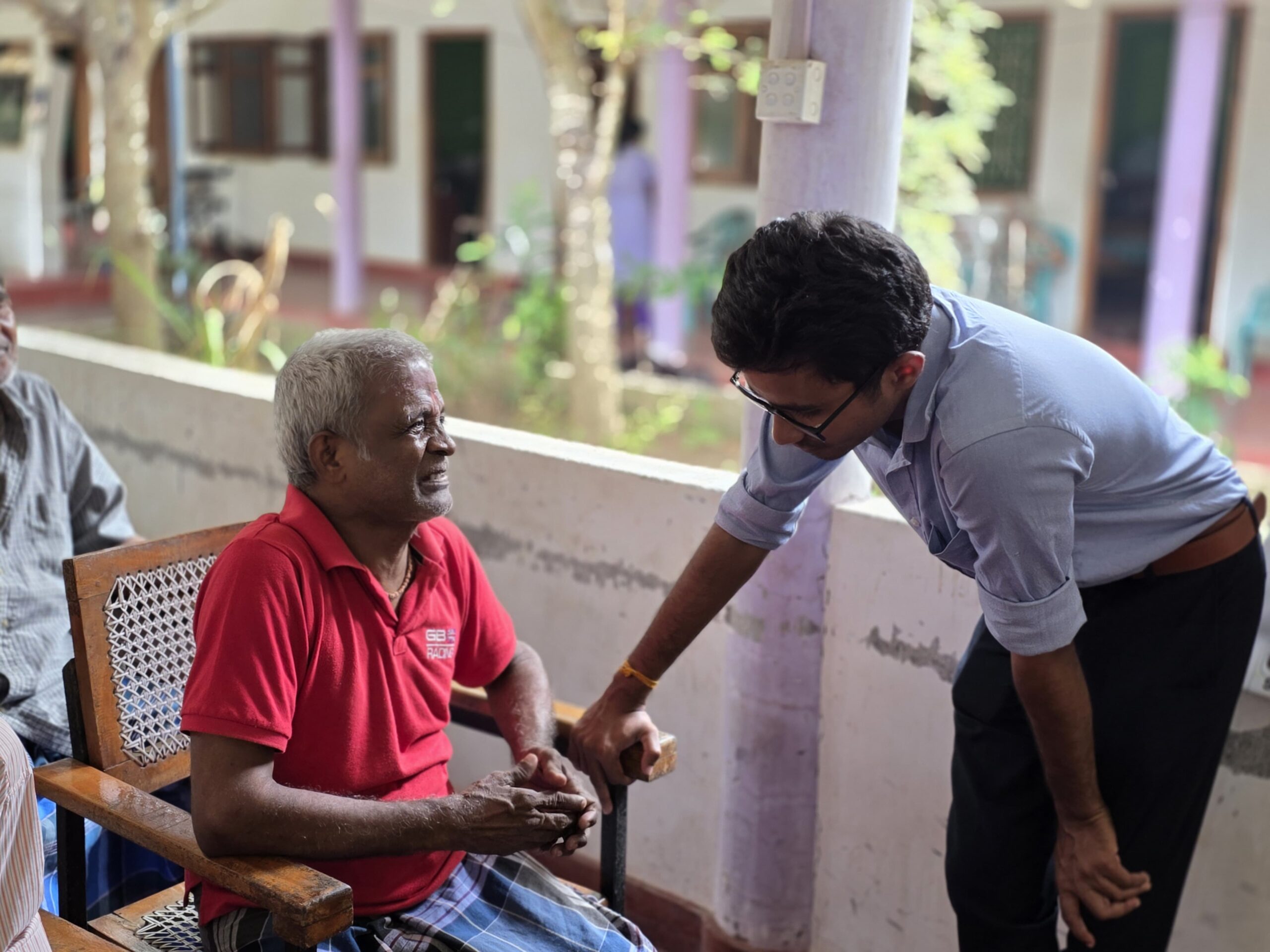
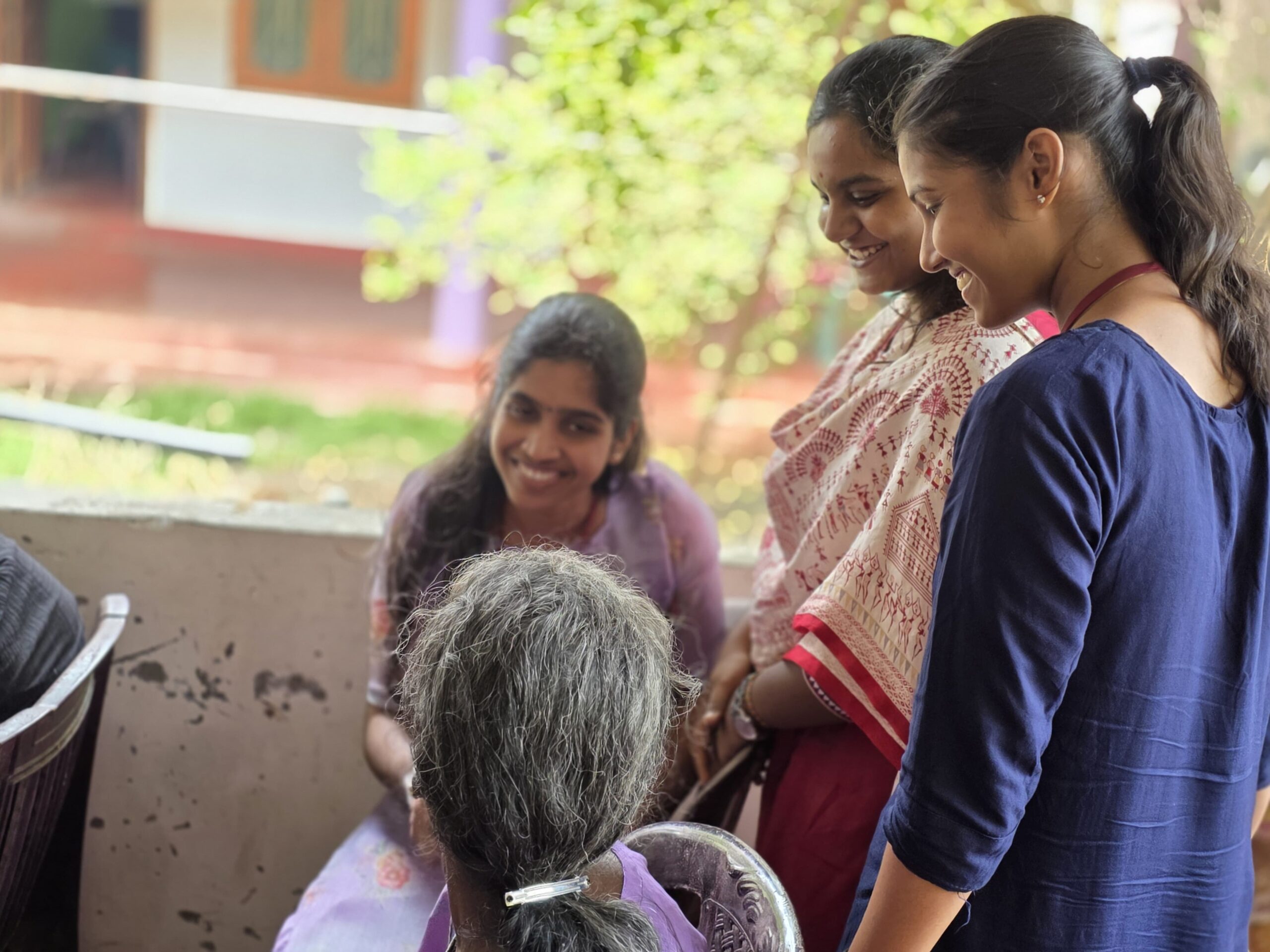
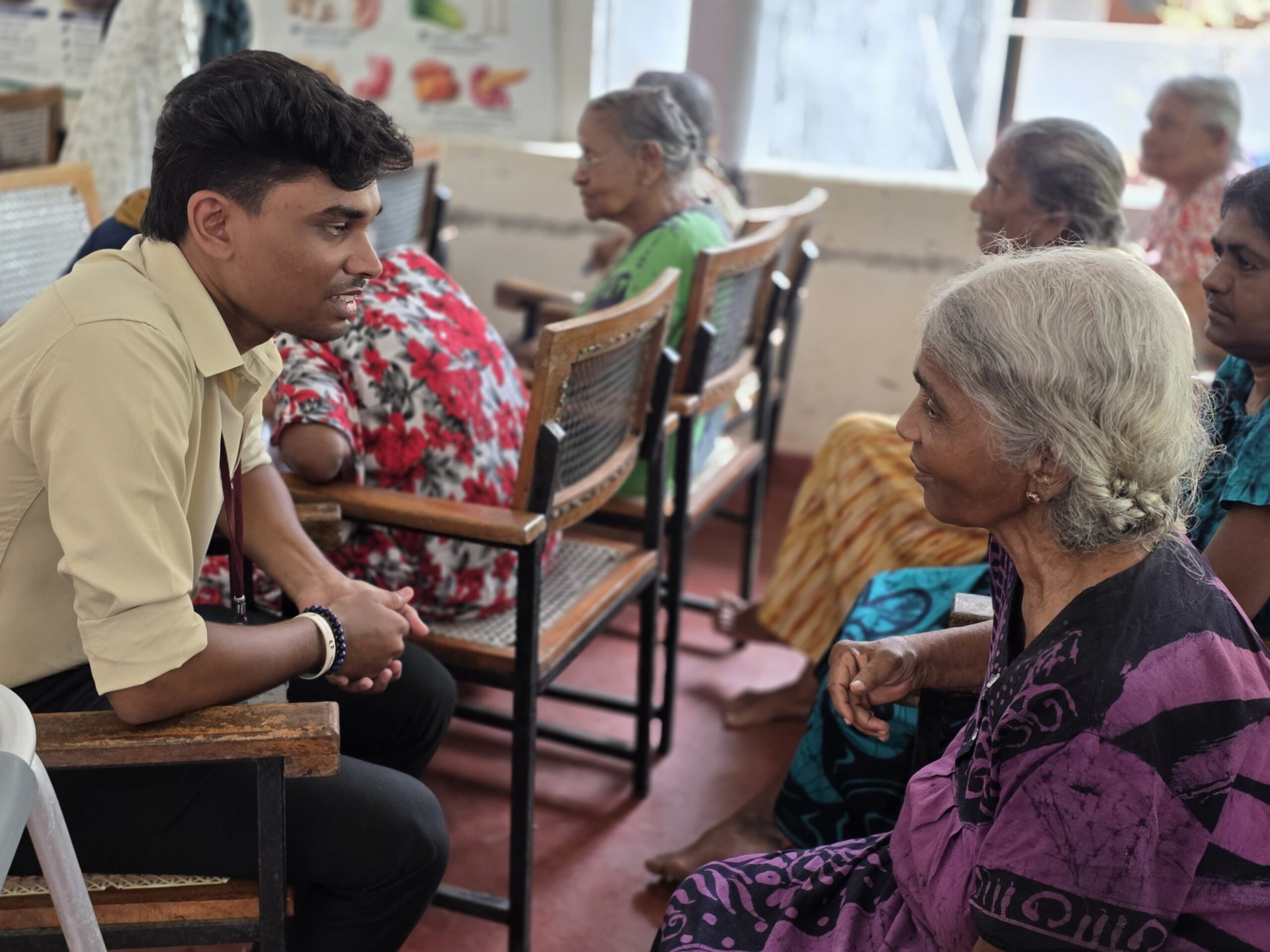
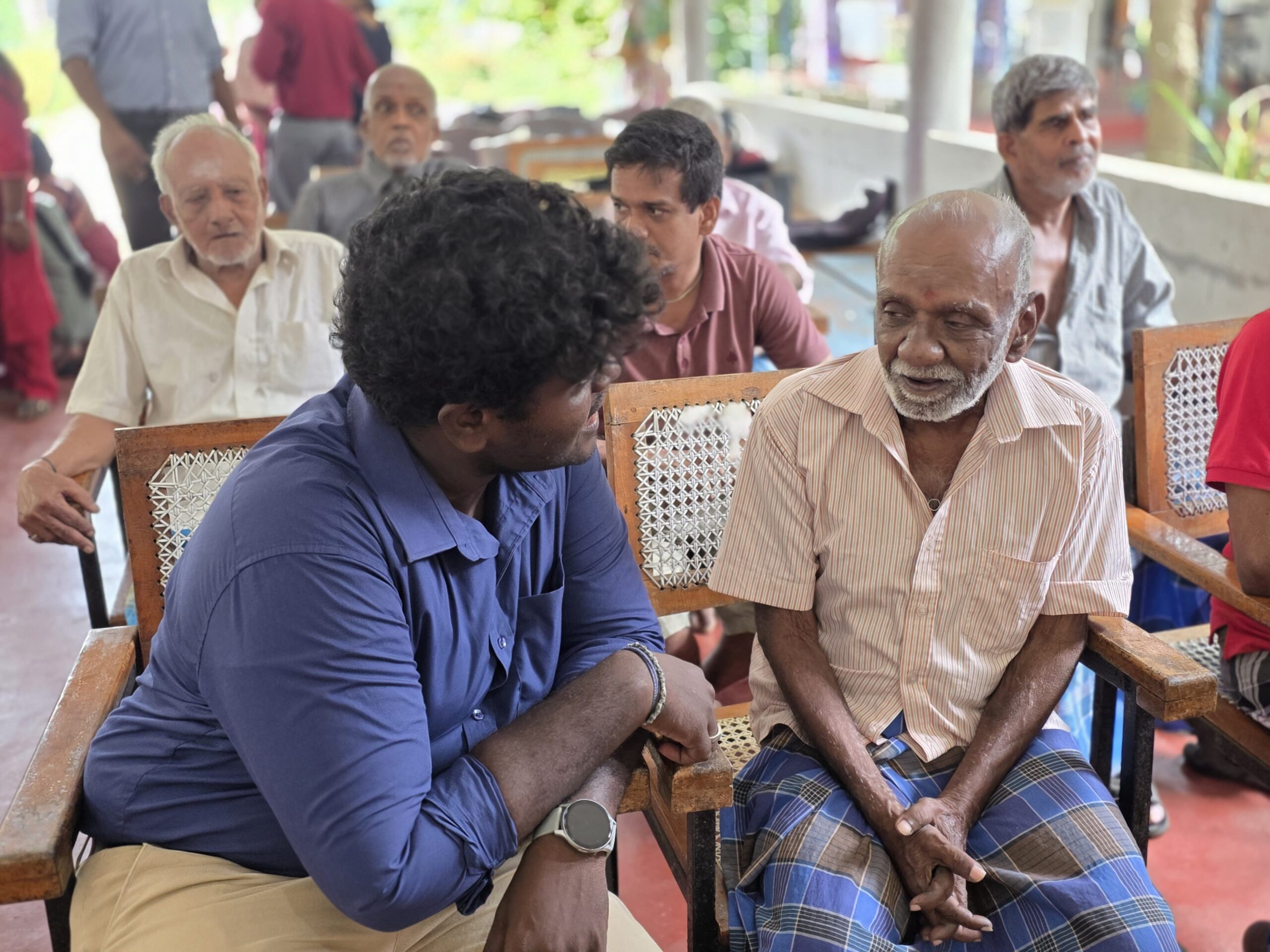
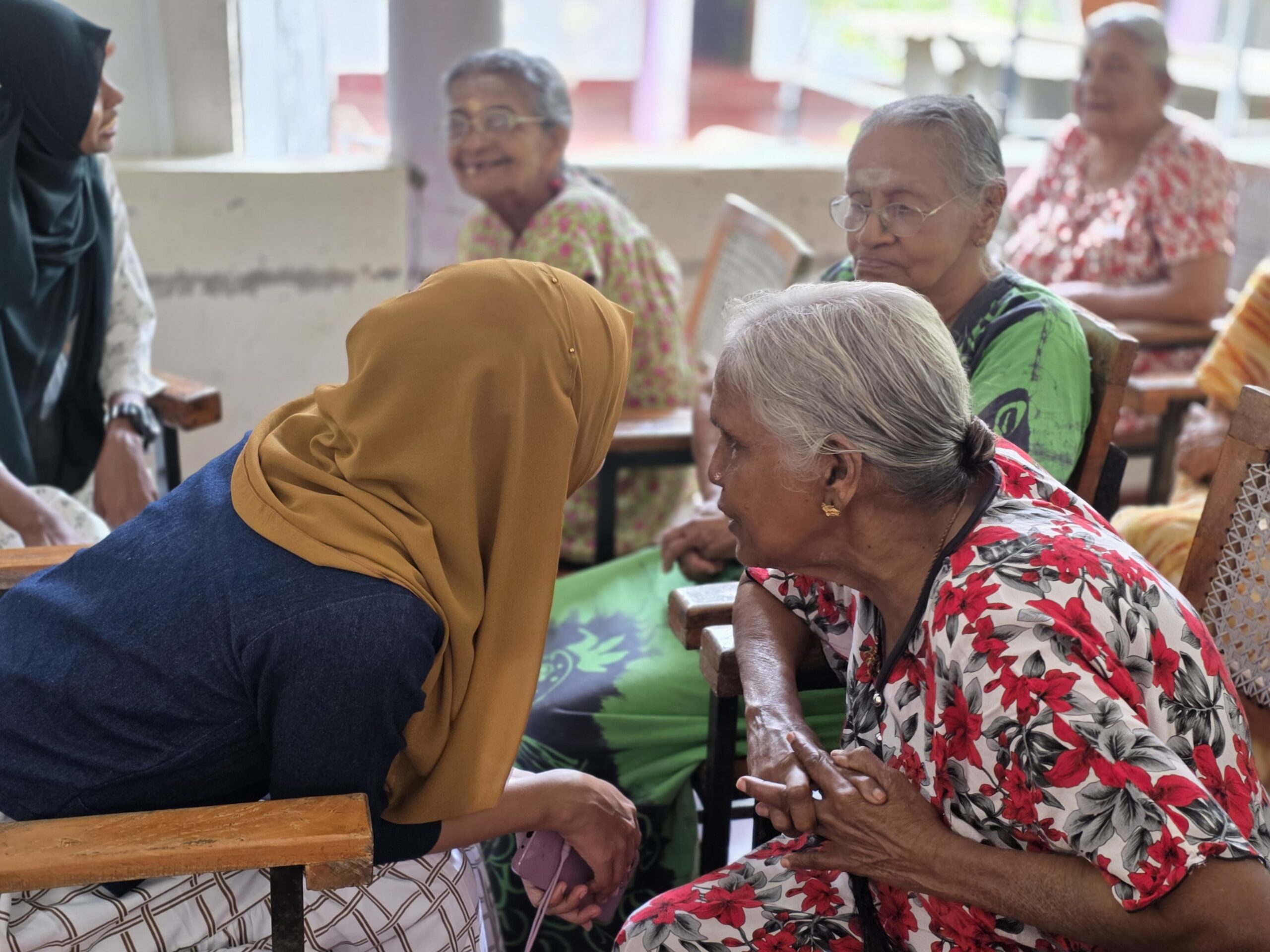
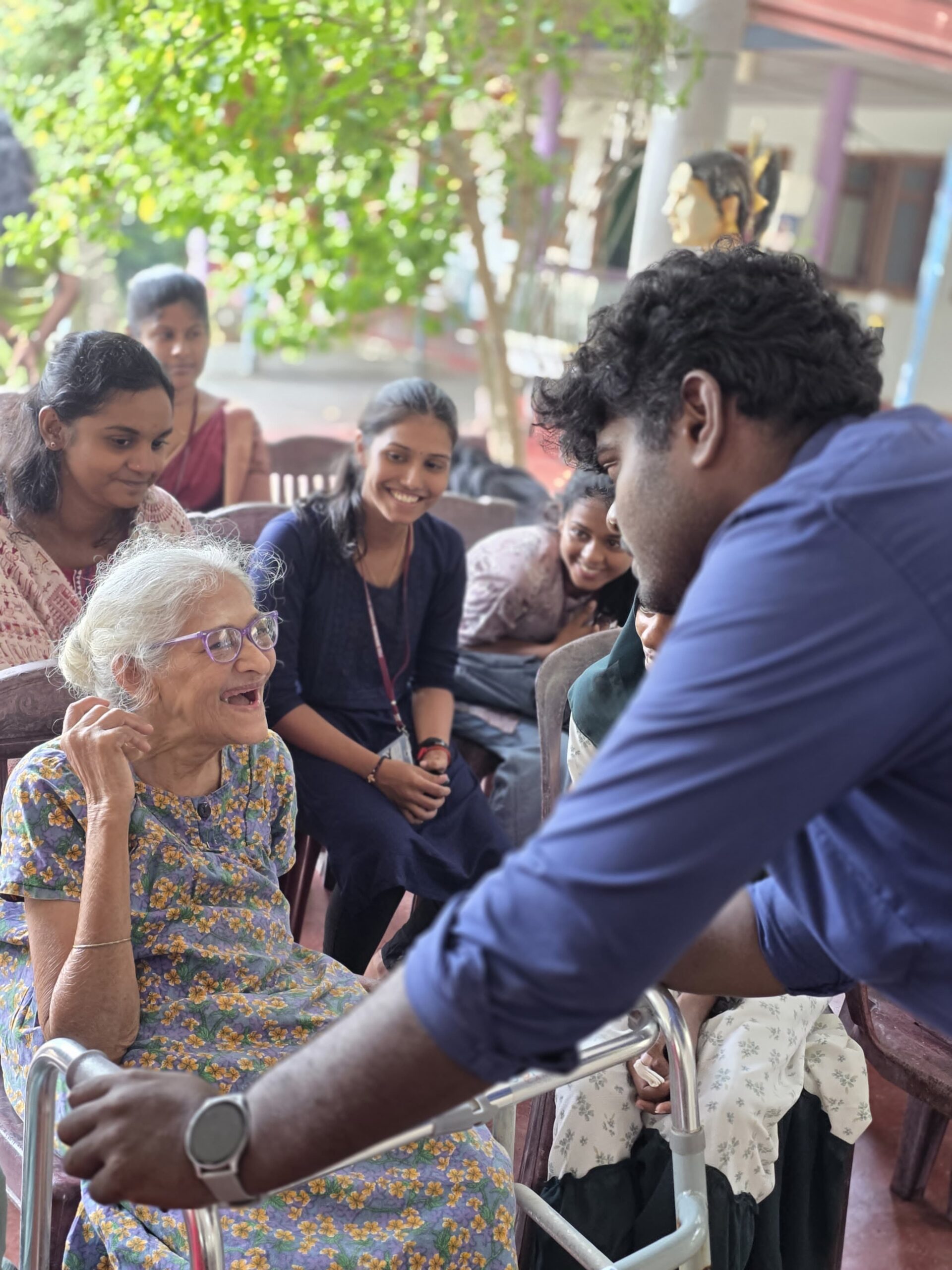
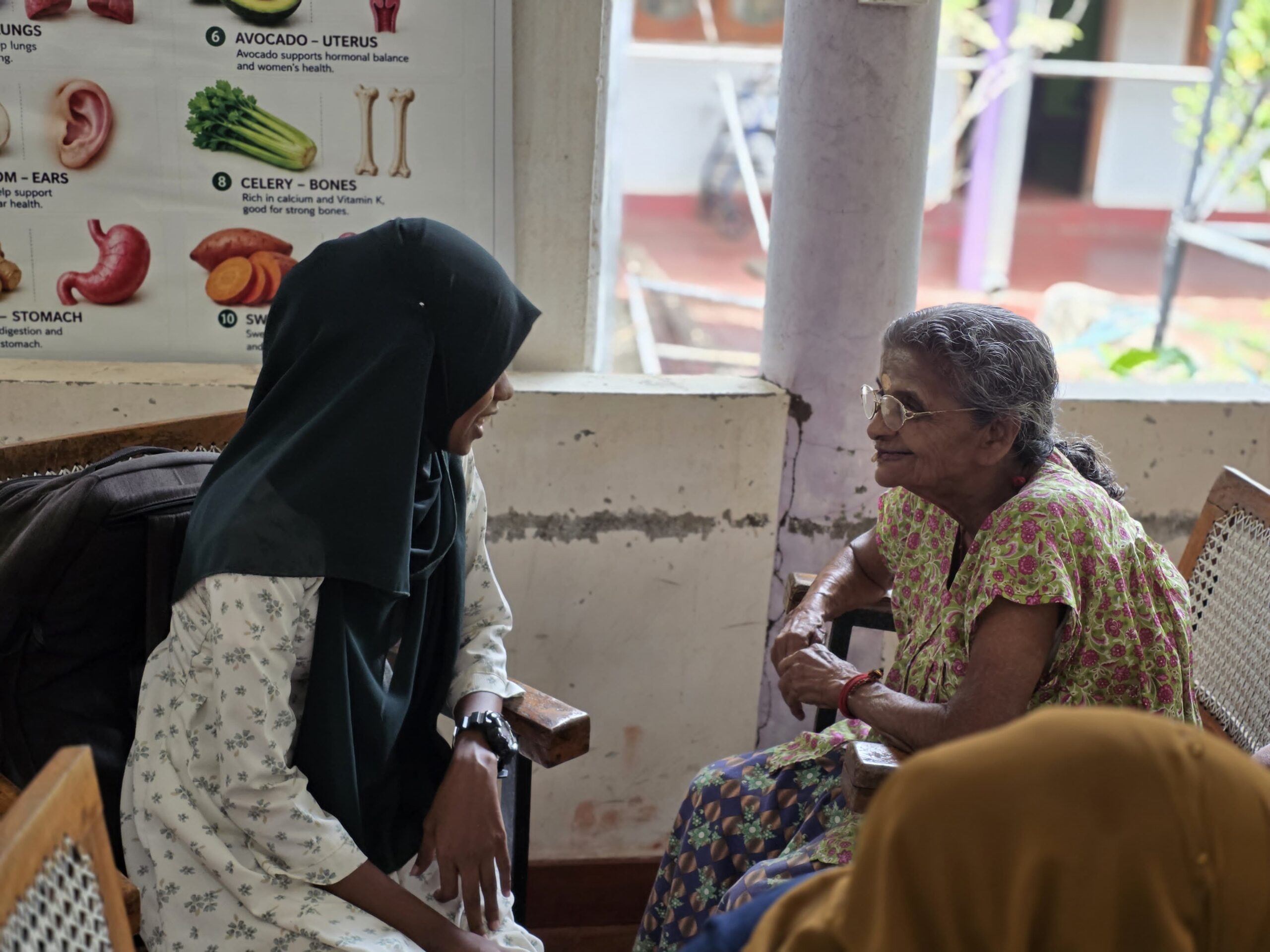
Refreshments were generously provided by the staff of Tholpuram Elders’ Home. The students then spent quality time interacting with the residents, listening to their life experiences, and appreciating their wisdom and emotions. Recreational activities, including singing and informal conversations, created a warm and joyful environment. The elders actively participated by sharing their memories and showcasing their talents, with several residents confidently singing songs and entertaining the gathering. These interactions strengthened the bond between the university students and the elderly residents while promoting emotional well-being and social inclusion.
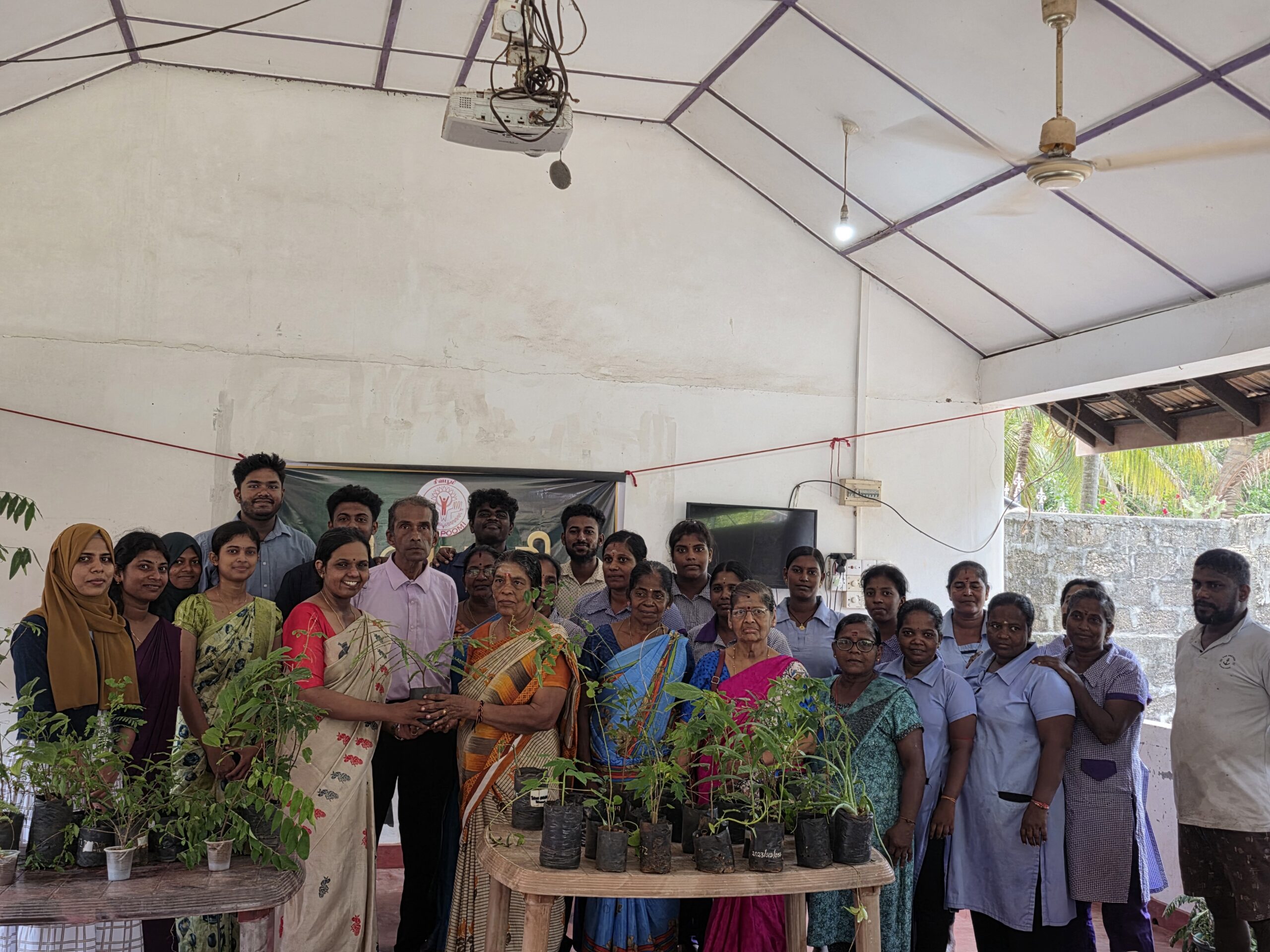
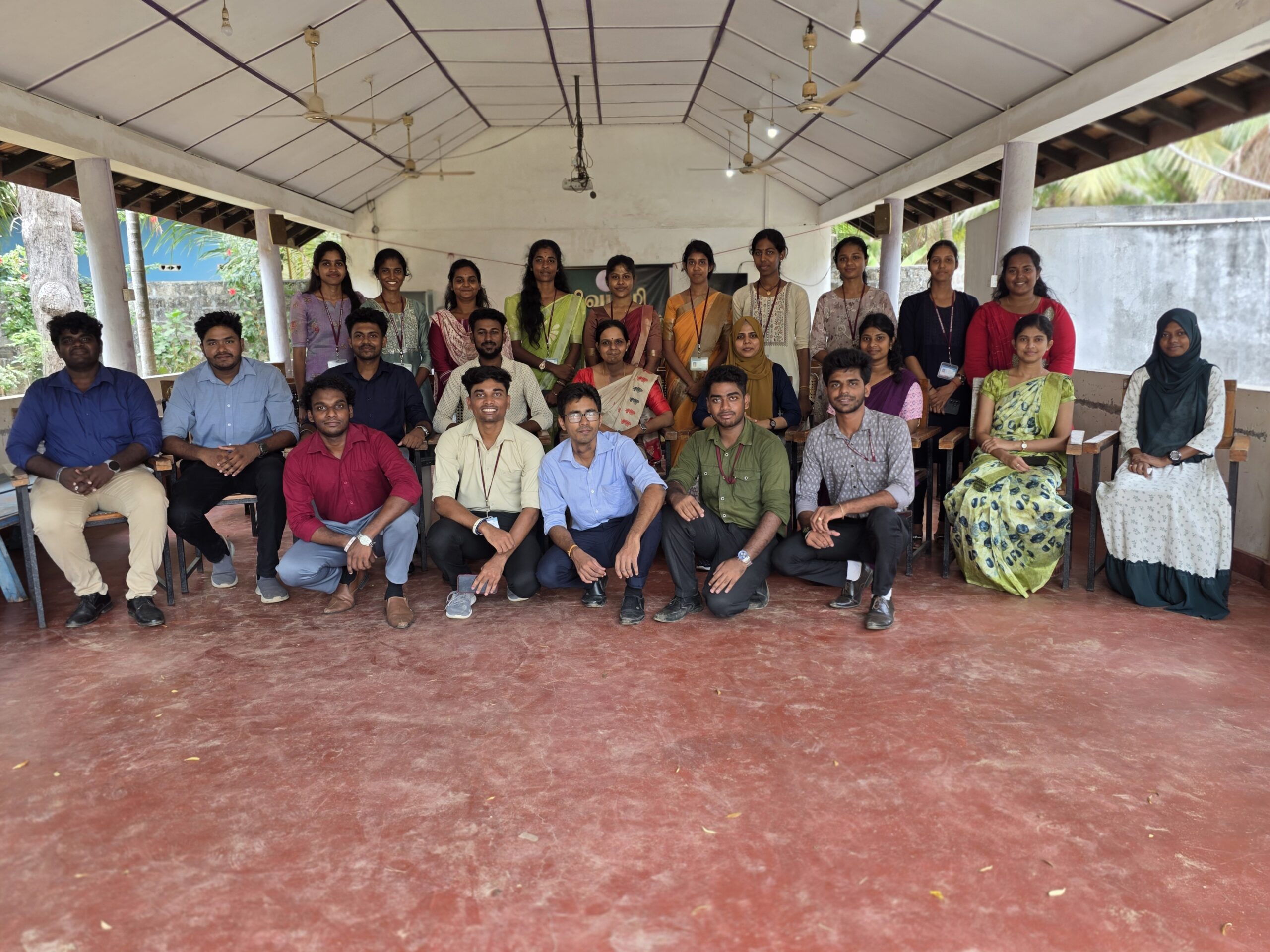
At the conclusion of the programme, group photographs were taken with the residents, the staff of Tholpuram Elders’ Home, faculty members, Community Medical Officers, demonstrators, and university students. As a token of appreciation and to encourage the cultivation of medicinal plants, about 40 medicinal plants nurseries were presented to the elders' home. The programme
concluded successfully at 12.00 p.m. following the delivery of the vote of thanks.
The outreach programme provided valuable insights into the physical, psychological, and social needs of older adults. Most residents were friendly, enthusiastic, and eager to share their life experiences. The participants expressed sincere appreciation for the opportunity to interact with the university team, noting that the visit brought them happiness, companionship, and encouragement.
The programme was a meaningful and rewarding community engagement initiative that strengthened the partnership between the Faculty of Siddha Medicine and the local community. It enhanced students' communication skills, empathy, and sense of social responsibility while providing older adults with practical knowledge on traditional herbal remedies, healthy dietary practices, and lifestyle measures for healthy ageing. Such community outreach programmes play an important role in preserving traditional Siddha knowledge, promoting healthy ageing, and improving the quality of life and well-being of older adult